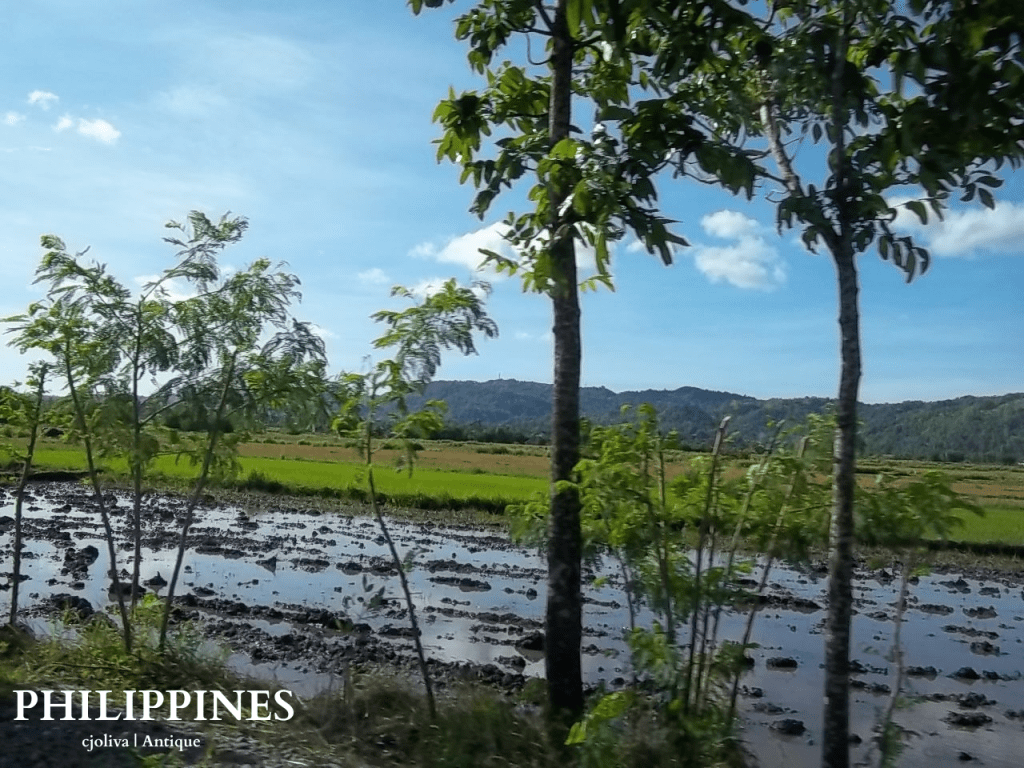
I spent my childhood in the countryside—where the tide sang lullabies or sometimes roared like eternity. Verdant rice fields were our daily backdrop, and distant mountain ranges framed our every day. It was a quiet witness to life unfolding: farmers plowing with quiet strength, fishermen guiding boats ashore, and roosters serving as alarm clocks at dawn.
Vegetable gardens flourished in every backyard. In the air, you’d hear children singing in the nearby school or the bell ringing from the high school down the road. This was rural life in Antique—simple, rustic, and serene. They call it “where the mountain meets the sea.”
My life in this sleepy province lasted through college. Then came Manila: a city glittering with promise and trickery. I visited Antique only on holidays, a brief return to where skies are wider and streets less hurried. No towering buildings, no honking highways, no choking air—just stillness. By 7 PM, most folks were already tucked in for the night. But where is Antique, exactly?

Antique sits in the western curve of Panay Island in Western Visayas. While her siblings—Aklan with its Boracay charm, Iloilo as the booming urban belle, and Capiz with its seafood fame—draw flocks of attention, Antique remains softly spoken and mysterious. To some, Antique province is just a detour en route to more popular destinations.
Locals joke she’s the shy sibling, often misunderstood or reduced to folklore whispers about aswangs, a shape-shifting creature often described as a mix between a vampire, witch, and were-beast. It’s known for preying on humans—especially pregnant women and children—and can take the form of animals like dogs, pigs, or birds. By day, it may appear as a quiet villager; by night, it transforms into a fearsome predator.
But if you ask those who live here, you’ll find a province rich in heritage and heart. Native Kinaray-a speakers fill the air with rhythm. The mountains cradle thriving flora and fauna. Idyllic beaches glisten under sunset hues. Festivals burst with color and cultural pride. And amid all that: smiles you don’t forget.
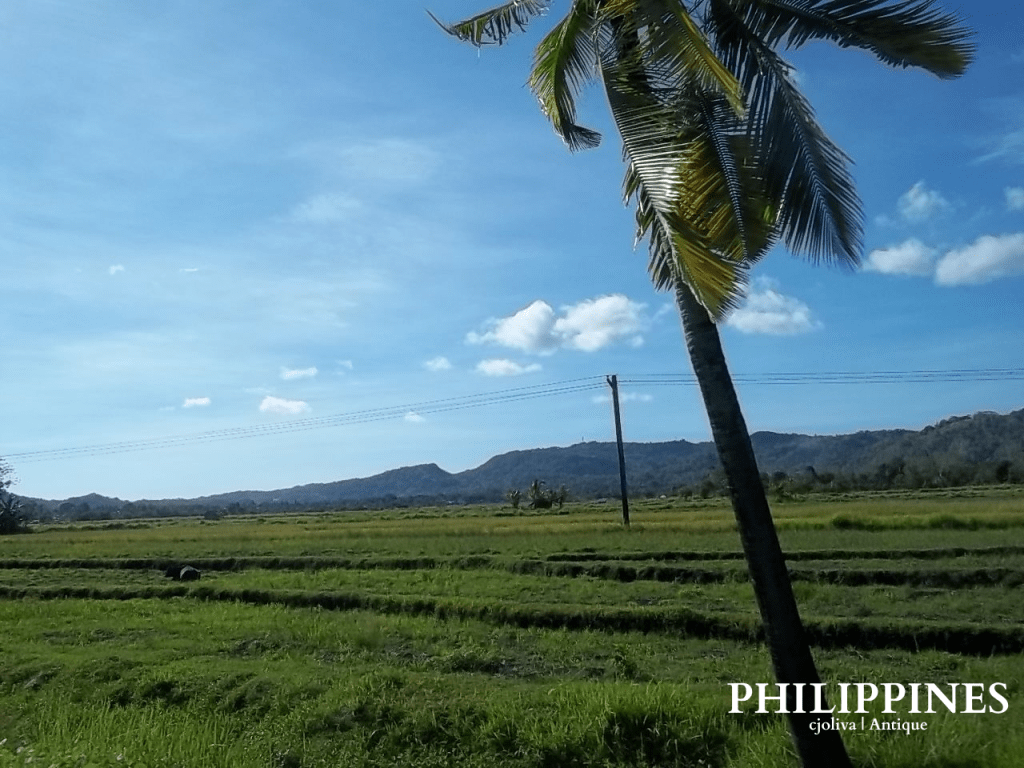
I sometimes reflect on how little I explored my own backyard. I chased sights across the Philippines and even admired foreign lands—yet forgot the treasure where my journey began. Slowly, people started to notice Antique’s charm. Perhaps it was word-of-mouth or better tourism efforts. But truly—it was always beautiful. We had everything: sandy shores, golden fields, crowing roosters, hardworking farmers, and gentle waves.
In 2018, I finally visited Tibiao, a town I’d heard of but never seen. From Kalibo, I rode a bus to Tibiao and dipped into its famous Kawa Hot Bath. Imagine a giant wok filled with lukewarm water, herbs, and leaves—sometimes infused with coffee, milk, or even wine—heated from below, as if you’re being gently “cooked.” Therapeutic and playful, it’s an experience like no other.

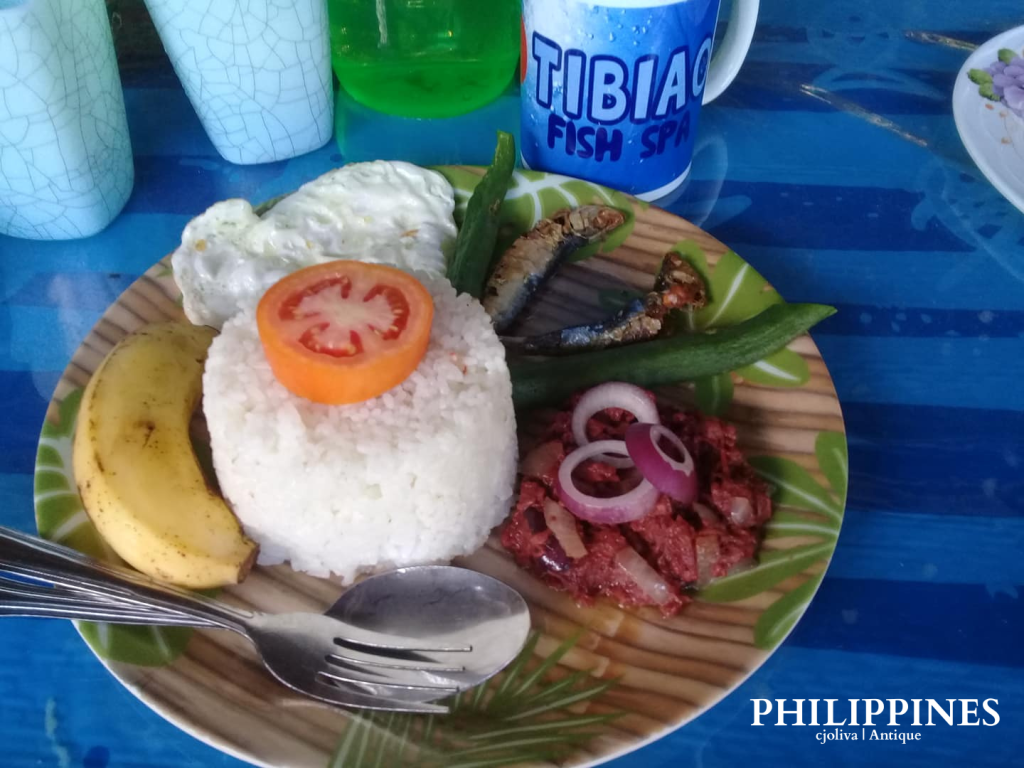
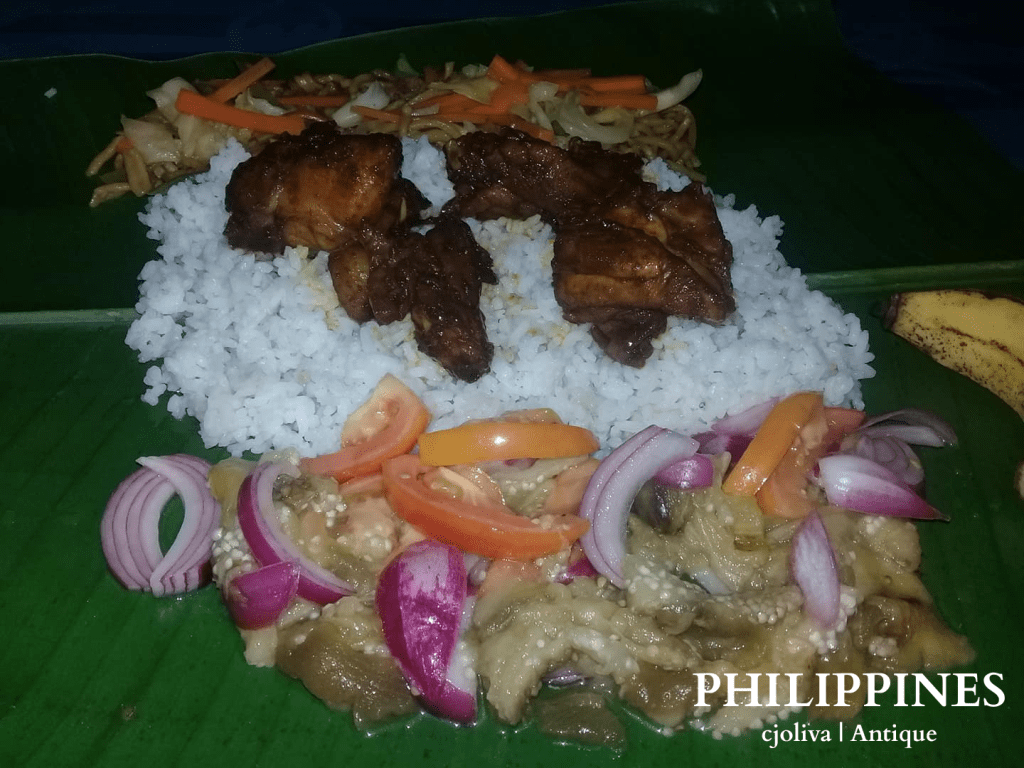
I stayed in a nipa hut—a kubo—and feasted on simple, hearty Filipino breakfasts: garlic fried rice, dried fish, corned beef, fried eggs, bananas, and coffee. Dinner was a boodle fight: rice, meat, fish, veggies, and fruit all laid out on banana leaves, eaten with bare hands. To get there, I hopped on a habal-habal, the trusty motorbike that conquers terrains where jeepneys dare not tread.

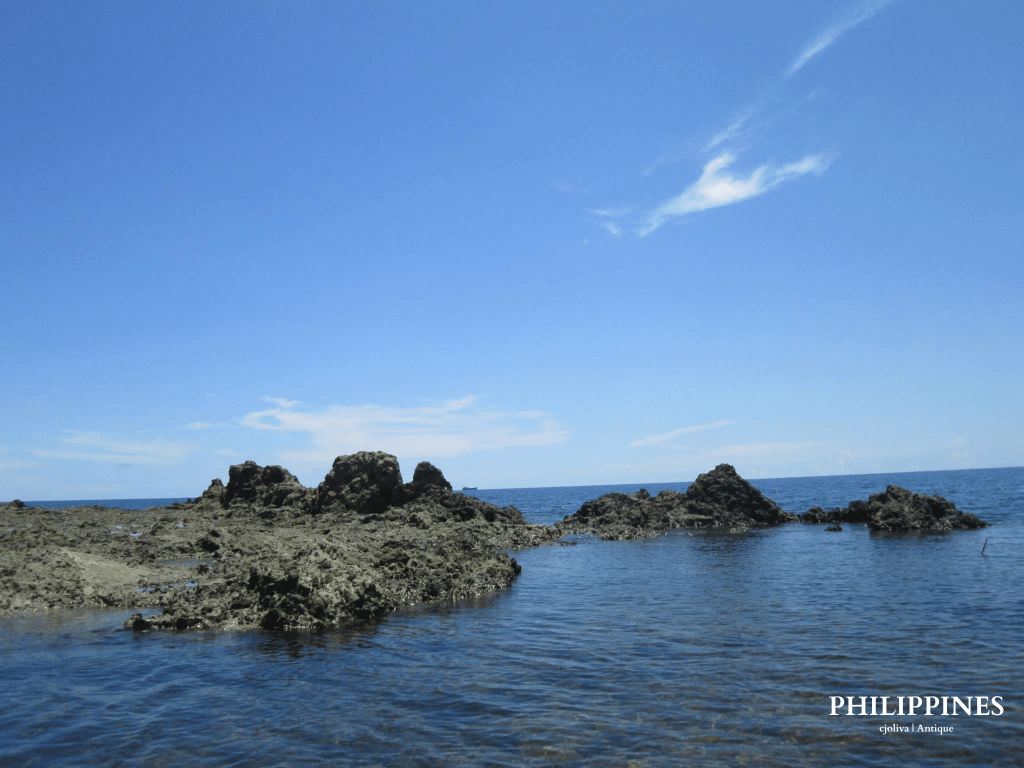
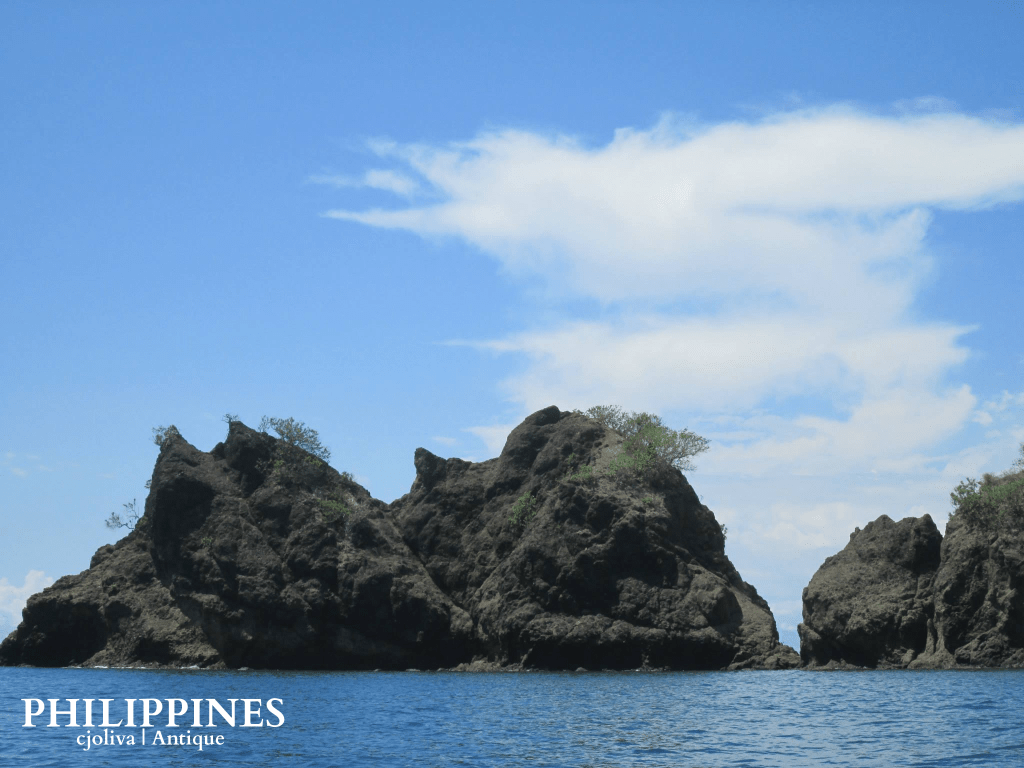
The coastal barangay I once called home holds the sunburnt footprints of my childhood. We ran along the gray sandy shore and danced through ripening fields. And though I once shrugged off the saying “Home is where your heart is,” I now know it to be true.

It’s hard not to let a little tuba sneak into daily life! Tuba is a traditional Filipino alcoholic beverage made from the naturally fermented sap of palm trees, especially coconut palms. From sari-sari store gossip to the ritual of halo-halo during peak summer heat, there’s such poetry in everyday moments.
Pretending to buy a sachet of shampoo just to get the full barangay update? That’s real! The iconic “Mari, anong latest? ” opener is like the unofficial password to unlock tea time at any corner store.
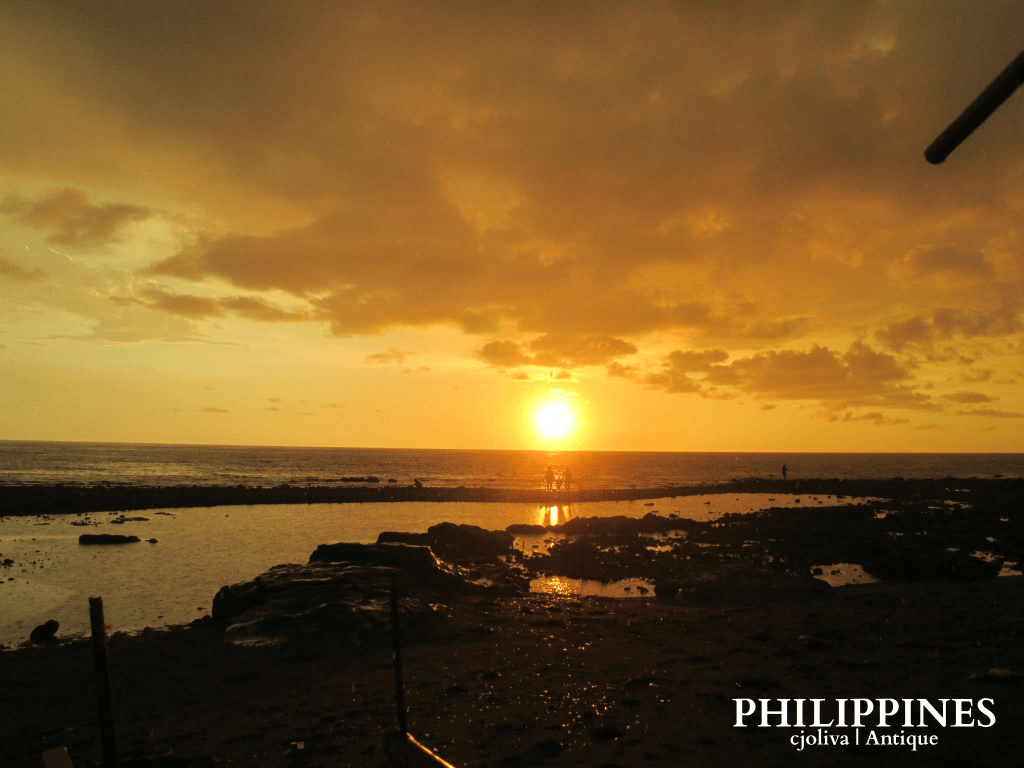
Despite the dazzling pace of city life, I find myself yearning for Antique’s hush. I miss the crisp air, the quiet night lit only by the moon, and the comforting taste of my mother’s home-cooked meals.





 The Pen Rebel's Blog
Leave a comment