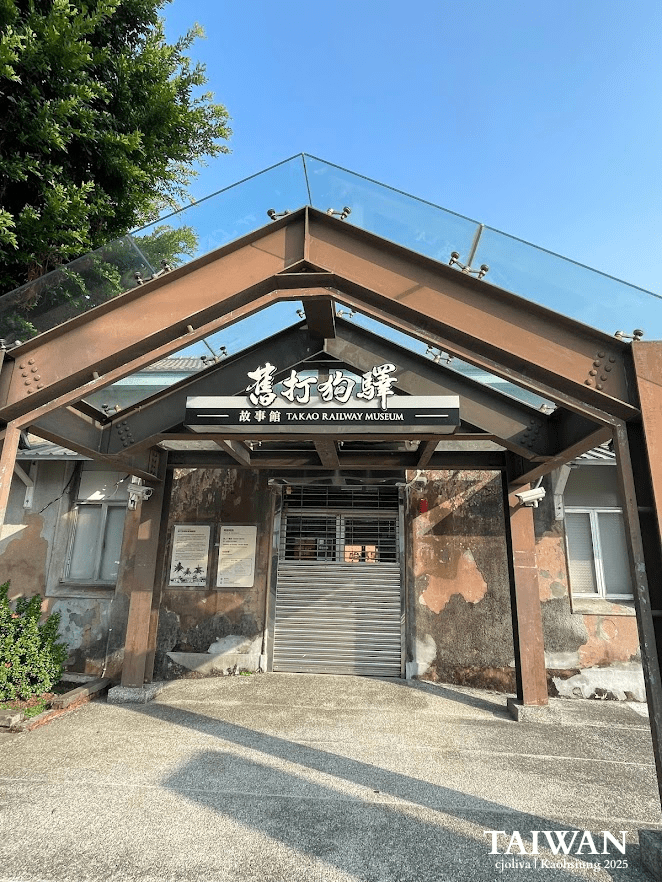
From MRT Aozihdi Station, I transferred to the Circular Line and got off at Hamasen Station. The moment I stepped out, I felt like I had entered a little pocket of history. I explored the Takao Railway Museum, roaming freely, happily, and with childlike excitement.
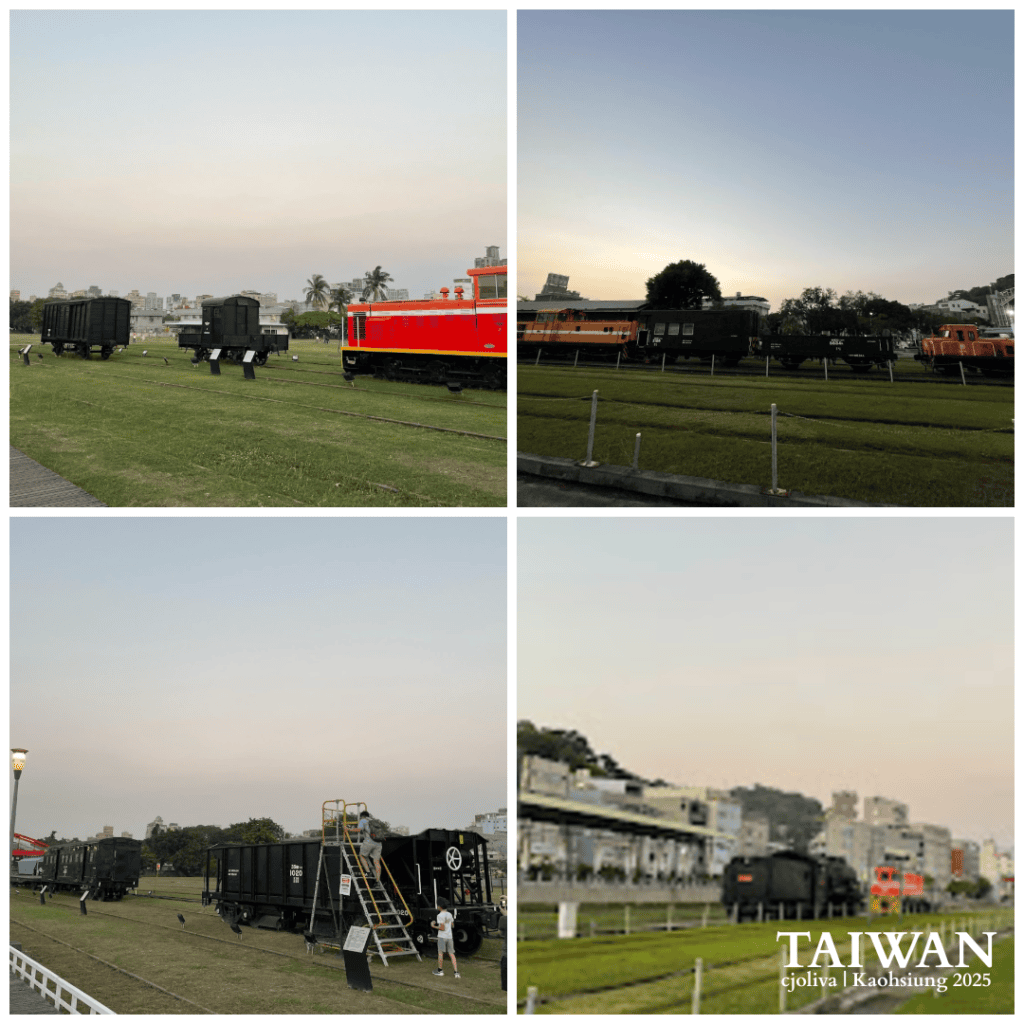
The museum featured retired locomotives from the Japanese era, each one carrying its own story. Just outside, Hamasen Station itself blended old and new. Timeless steel giants rested within sight of the sleek, modern LRT that now runs through the same ground.
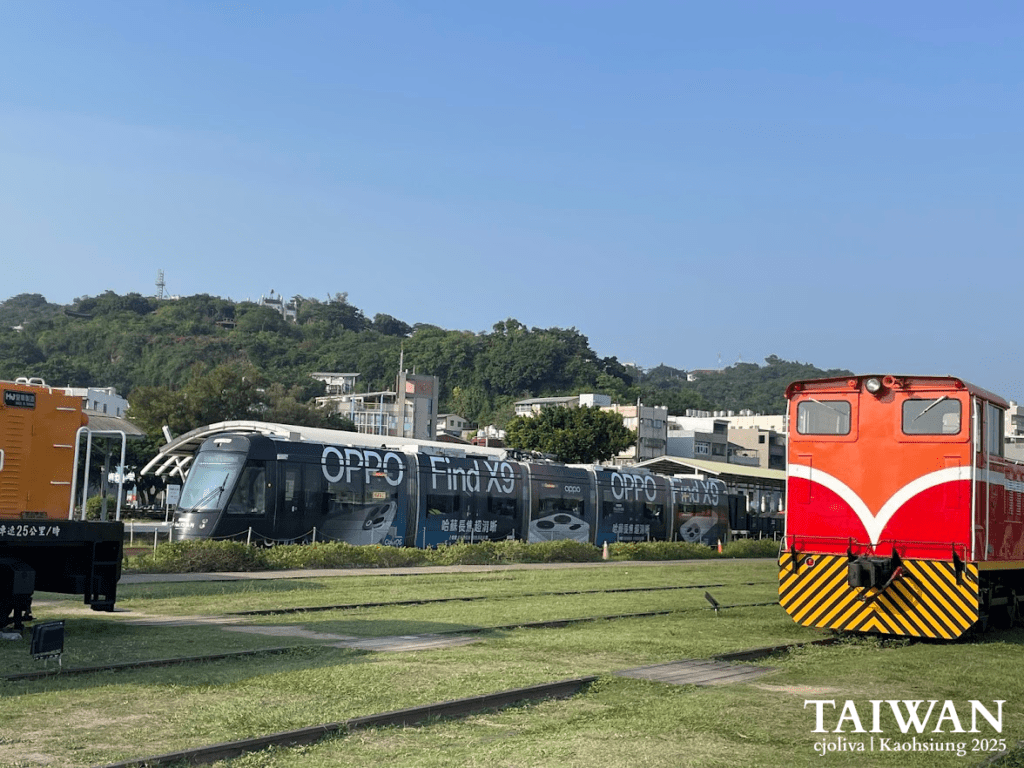
I swear, it felt like watching history shake hands with the present. And somehow, in the middle of that, a few retired trains had been turned into ice cream shops. So adorable, so unexpected, and so Taiwan.
Exploring Pier-2 Art Center
After soaking up everything at the Takao Railway Museum, I wandered toward the Pier-2 Art Center. The old warehouses had been transformed into cute cafés, quirky shops, and creative spaces. Instead of tearing down abandoned mid-century sugar and general cargo warehouses, Kaohsiung preserved the weathered brick walls, exposed steel beams, and old rail tracks, turning the entire waterfront into a giant, living canvas.
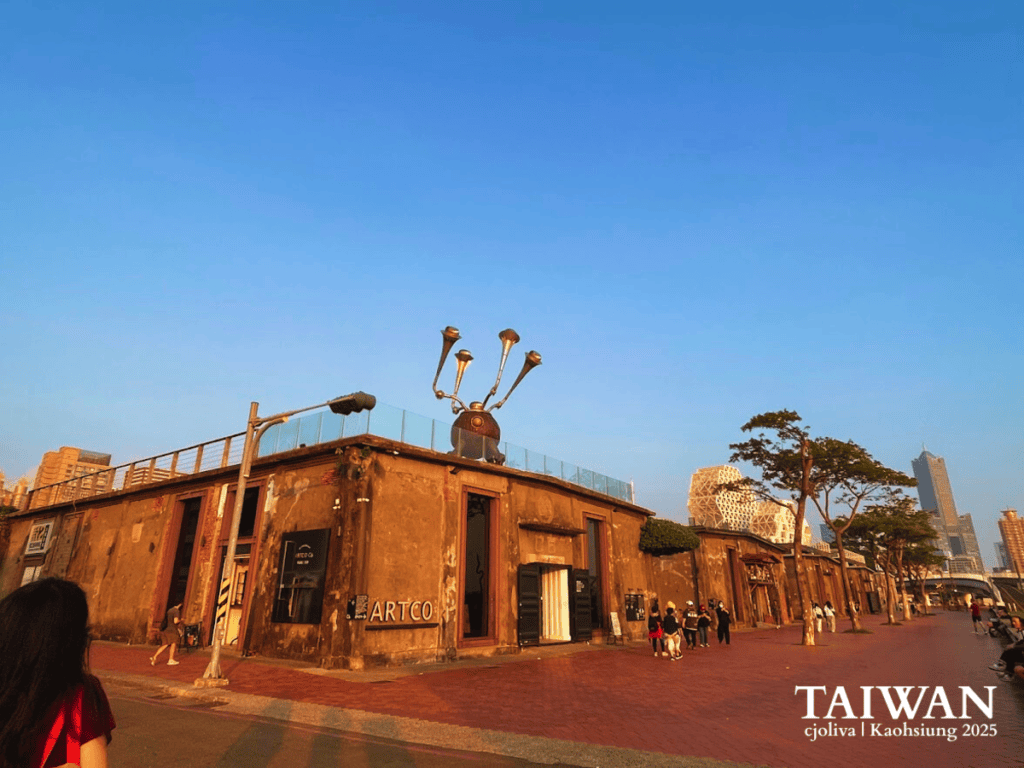
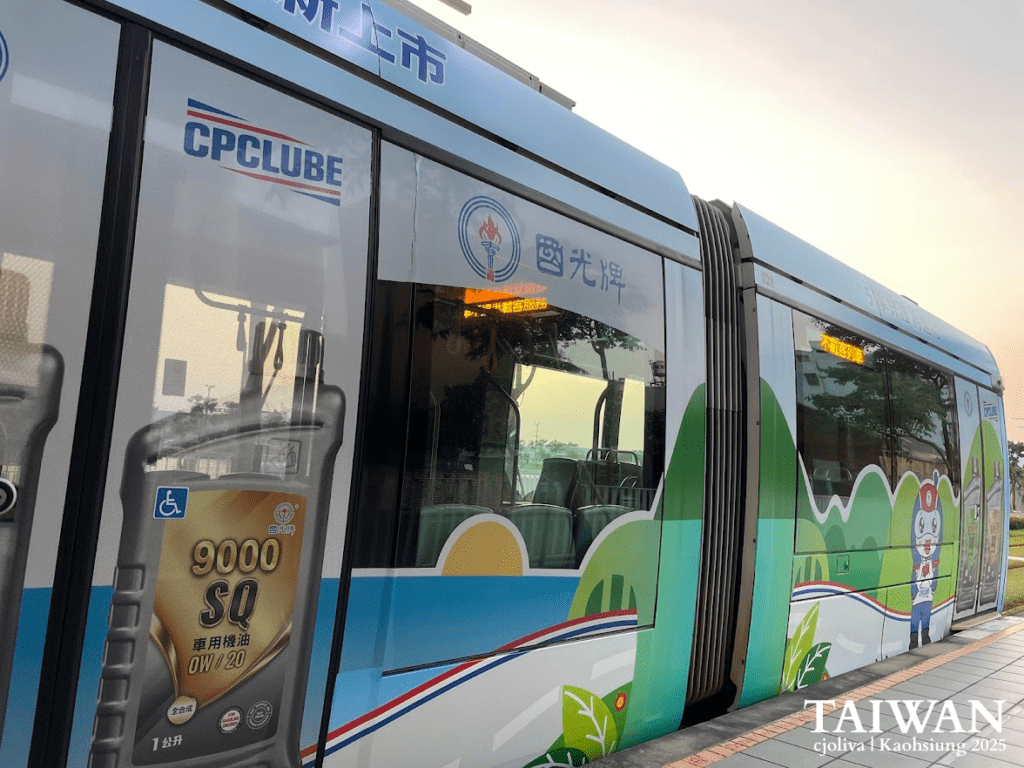
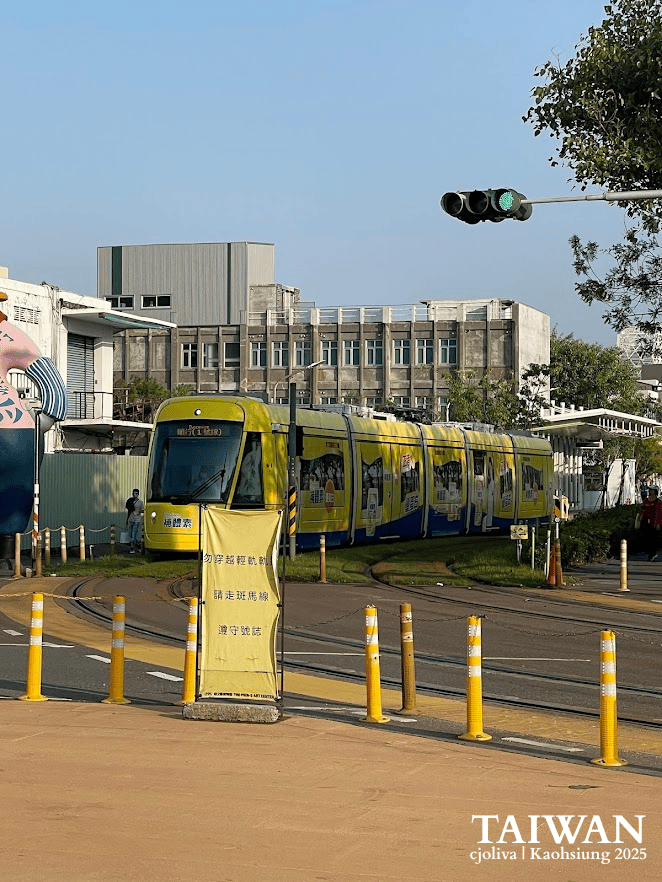
As the Kaohsiung Light Rail glided past along the grass-lined rails, I explored the shaded alleyways of the Penglai Warehouse, eventually stumbling upon the Hamasen Museum of Taiwan Railway tucked inside one of the district’s restored buildings.
💡 Good to Know: Pier-2 Art Center is split into three main warehouse clusters: Penglai (railway heritage & family spaces), Dayong (the central hub with major exhibition halls & Eslite Spectrum), and Dayi (indie artisan shops & coffee roasters). While the open-air grounds are free to explore 24/7, most indoor galleries and boutique shops open between 10:00 AM and 11:00 AM.
Hamasen Museum of Taiwan Railway: Taiwan’s Railway Heritage
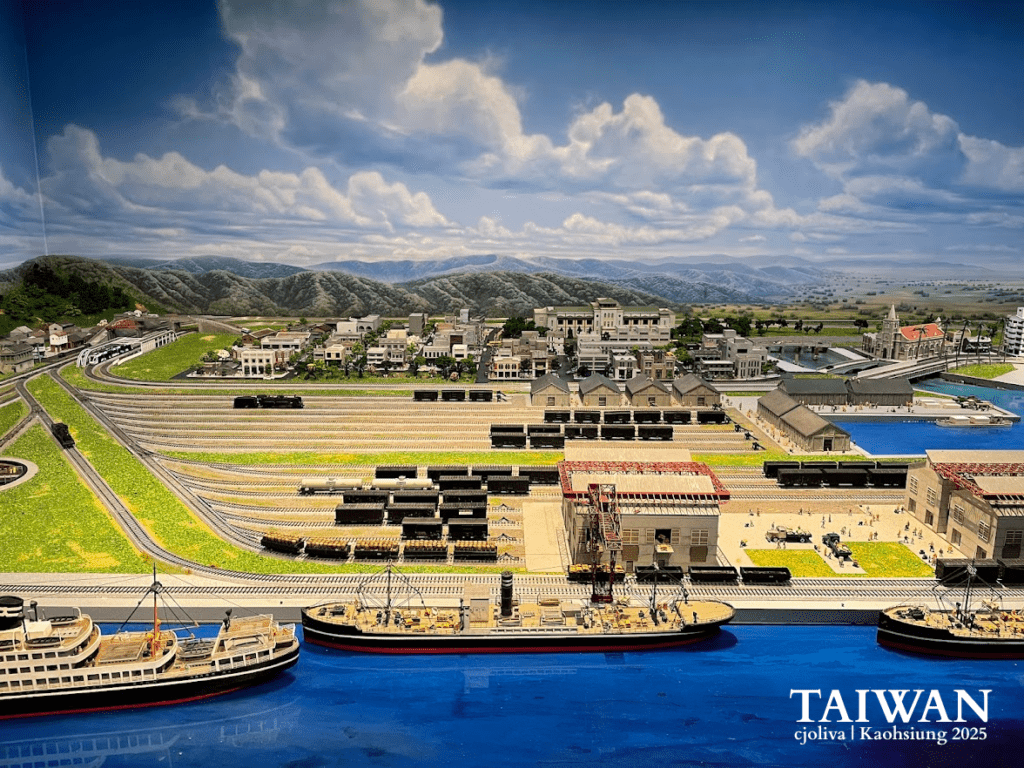
The Hamasen Museum of Taiwan Railway depicts Taiwan’s historical railway lines, complete with miniature towns, bustling ports, and operating miniature trains. Interactive light and sound effects even simulate transitions between day and night across the massive diorama.
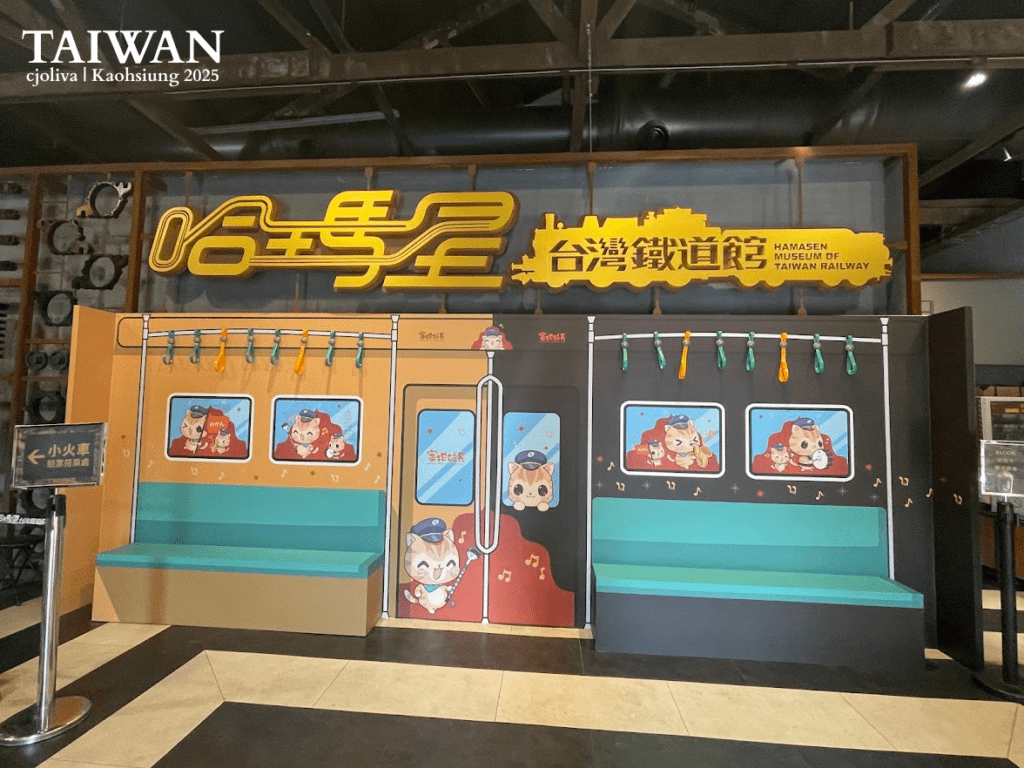
Beyond the expansive layout, the museum showcases vintage railway memorabilia, historic signaling gear, and full-sized steam locomotive displays. It offers an engaging, air-conditioned deep dive into the evolution of Taiwan’s train network, serving as a perfect indoor counterpart to the open-air tracks of the surrounding Takao Railway Museum.
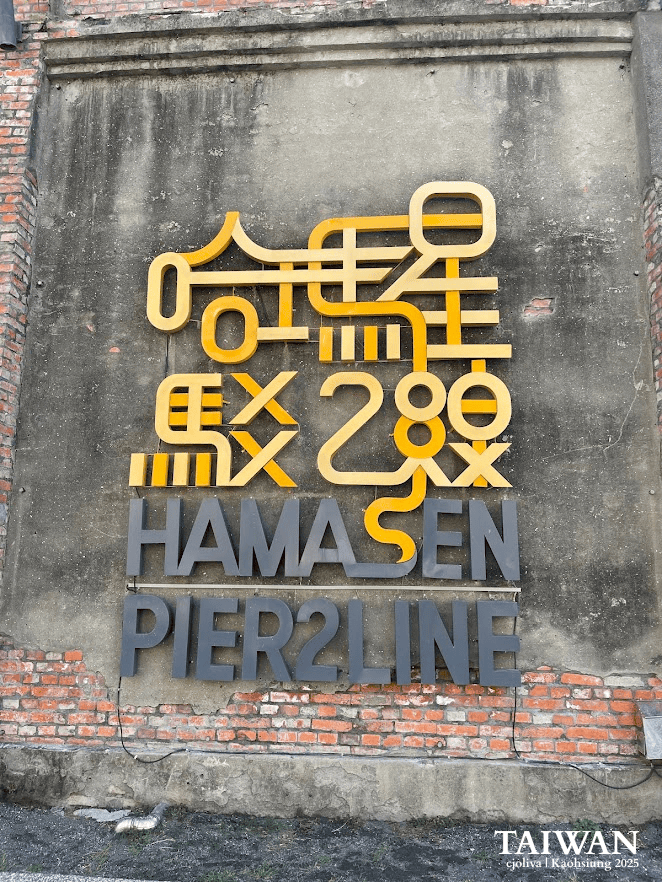
I spent extra time inside the Hamasen Museum of Taiwan Railway. It felt like stepping into a preserved heartbeat of Kaohsiung’s past. The moment I entered, the atmosphere shifted. It became quiet and nostalgic. It was almost as if the place wanted visitors to slow down and pay attention. The museum wasn’t just displaying artifacts; it was telling a story.
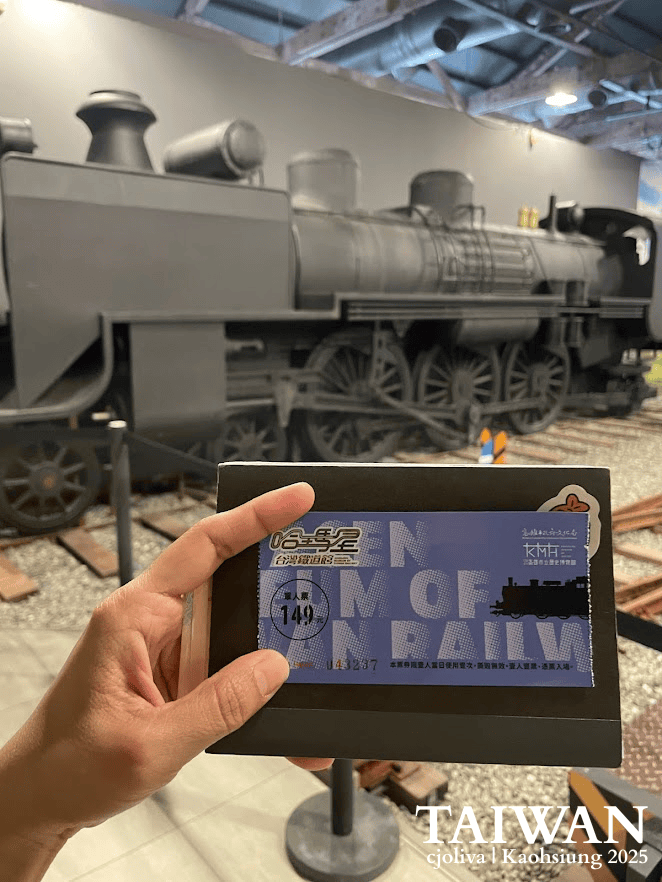
🚂 Railway Enthusiast Note: I paid NT$149 for the Indoor Model Exhibition Ticket. The outdoor Pier-2 Line Mini Train was closed during my visit, but seeing the miniature train and tracks running through the outdoor yard was still a fun bonus.
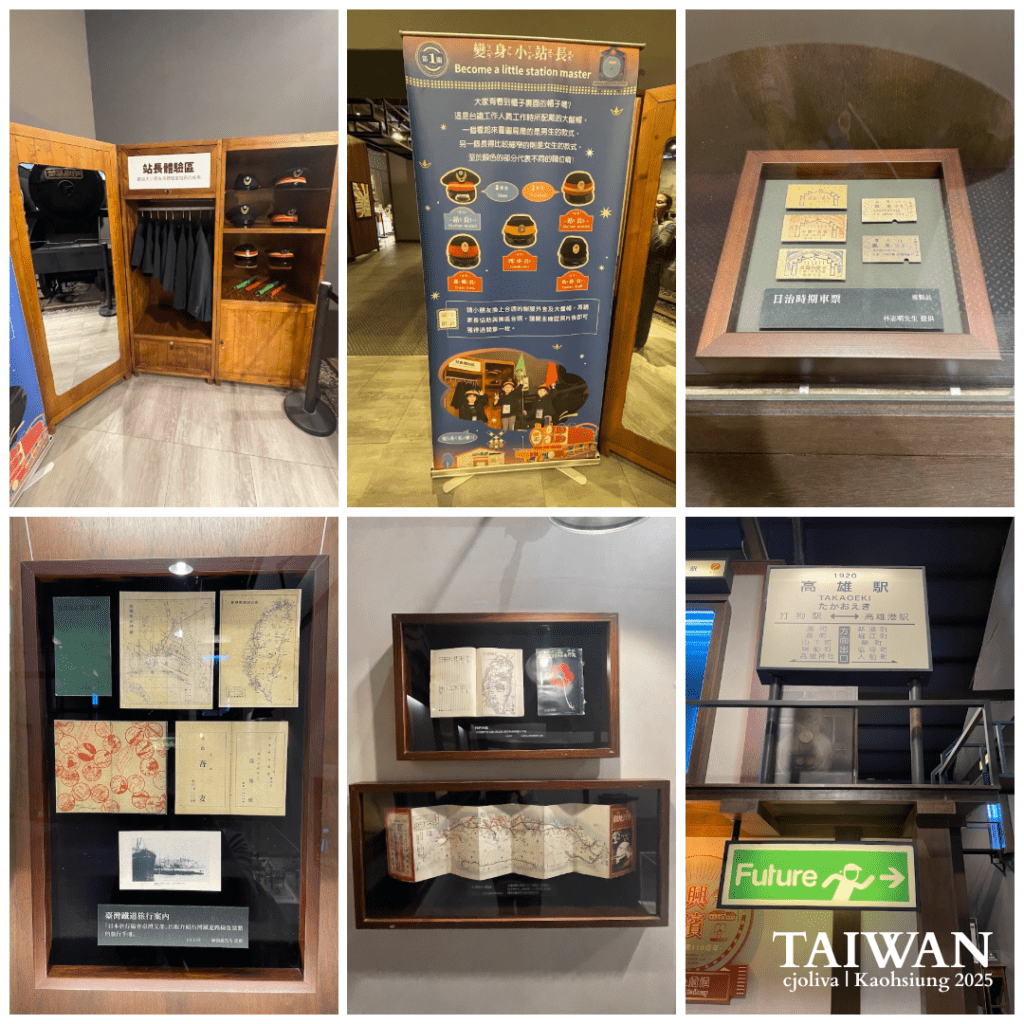
As I browsed through the exhibits, the displays of railway memorabilia instantly pulled me in. I was captivated by the different hats worn by railway staff. The neatly arranged uniforms also caught my attention. There were old Taiwan railway maps as well. Even collectible stamps that travelers once used as souvenirs were on display. Each item carried a piece of history.
I loved discovering that each hat and uniform symbolized a different role: station staff, marshals, and conductors. It made me appreciate how organized Taiwan’s railway culture is. It is deeply rooted, especially with the strong influence from the Japanese era.
One of my favorite corners of the museum was the miniature area. I saw Kaohsiung from above. Actual trains ran along the tracks below. It was mesmerizing—like watching the city’s heartbeat in motion. Watching the trains glide along the rails was enchanting. The city moved around them while they glided. This made the history in the museum feel alive. It felt present and connected to today.
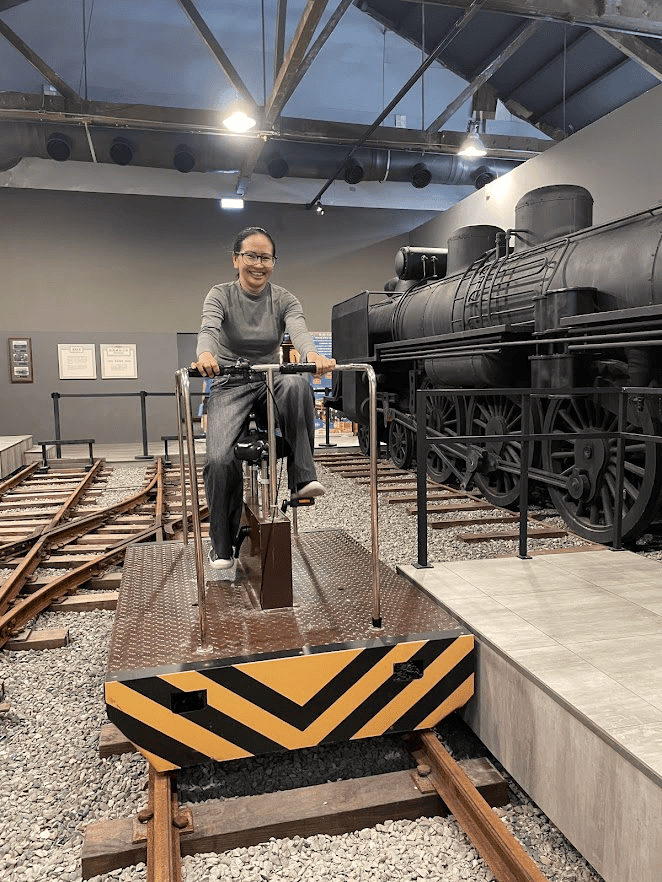
And, of course, the highlight of my visit was trying the “rail bikes.” I’m not sure if that’s the exact term. It felt like I was biking along the rail tracks themselves. I couldn’t help but laugh. In that moment, I felt like the train conductor. I was in charge of my own little railway adventure! It was simple, fun, and unexpectedly thrilling, exactly the memory that sticks with you.
The museum is not massive. Yet, every corner felt intentional. It seemed like it wanted visitors to understand the heart behind Taiwan’s railway history, not just the hardware. When I finally stepped outside, it felt like I had walked through a living memory. This memory was saved for travelers like me to discover.
I wrapped up my entire railway museum afternoon with a full and happy heart.
Dayi Pier, Milk Tea, and Sunset Moments at the Great Harbor Bridge
I continued strolling through the sprawling grounds of Pier-2, where the Kaohsiung Light Rail felt less like public transit and more like a moving art piece softly gliding across the grass. Leaving the bustle of the main warehouse loop behind, I made my way toward the Dayi Warehouse Cluster. This section of Pier-2 has a noticeably different energy—narrower, tree-shaded alleyways, ivy-covered brick walls, and quiet pockets filled with indie artisan workshops, custom leather craft studios, and local coffee roasters.
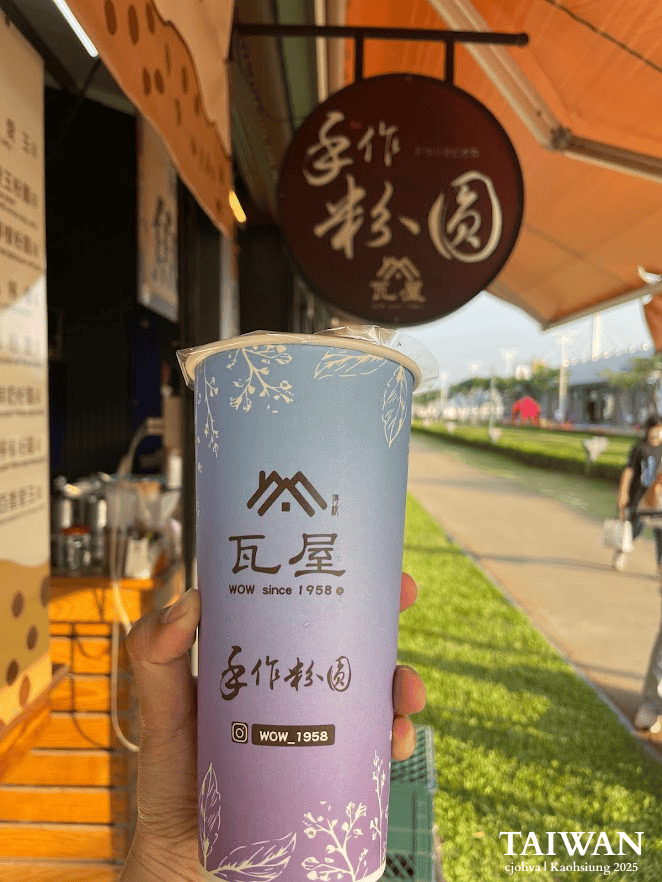
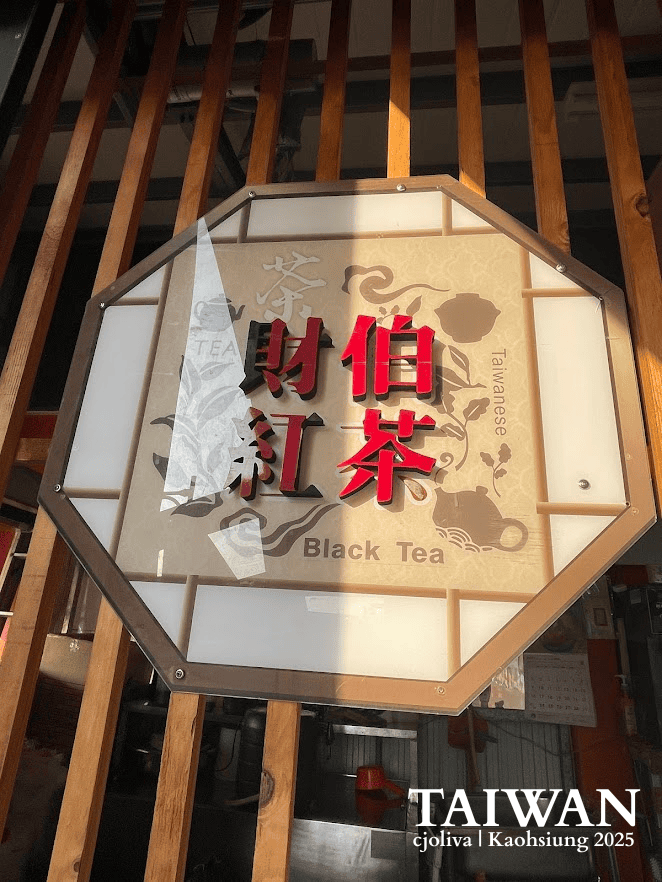
As I approached Dayi Pier Station, I treated myself to a classic black milk tea for NT$60, sipping it slowly as the afternoon began to cool down.
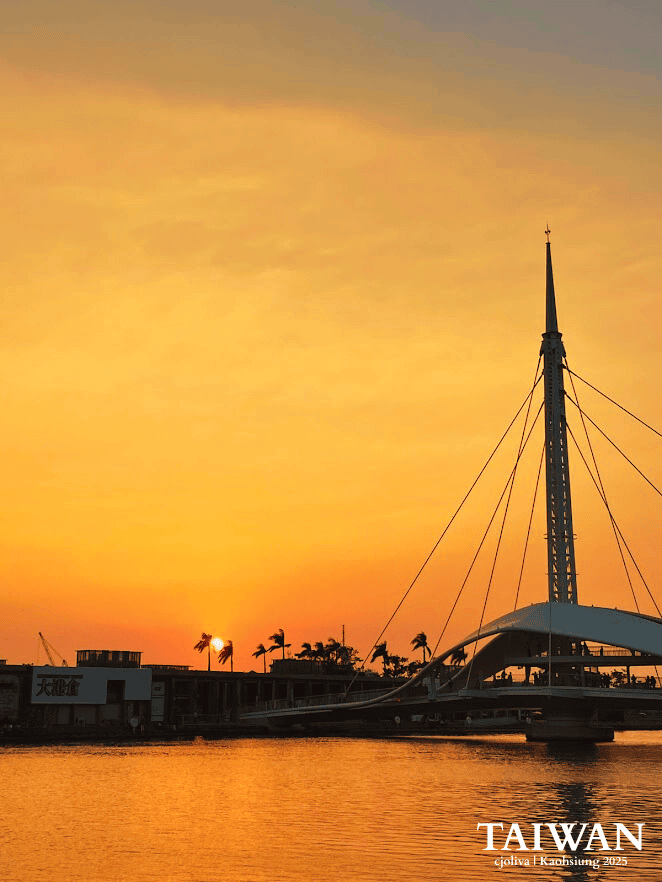
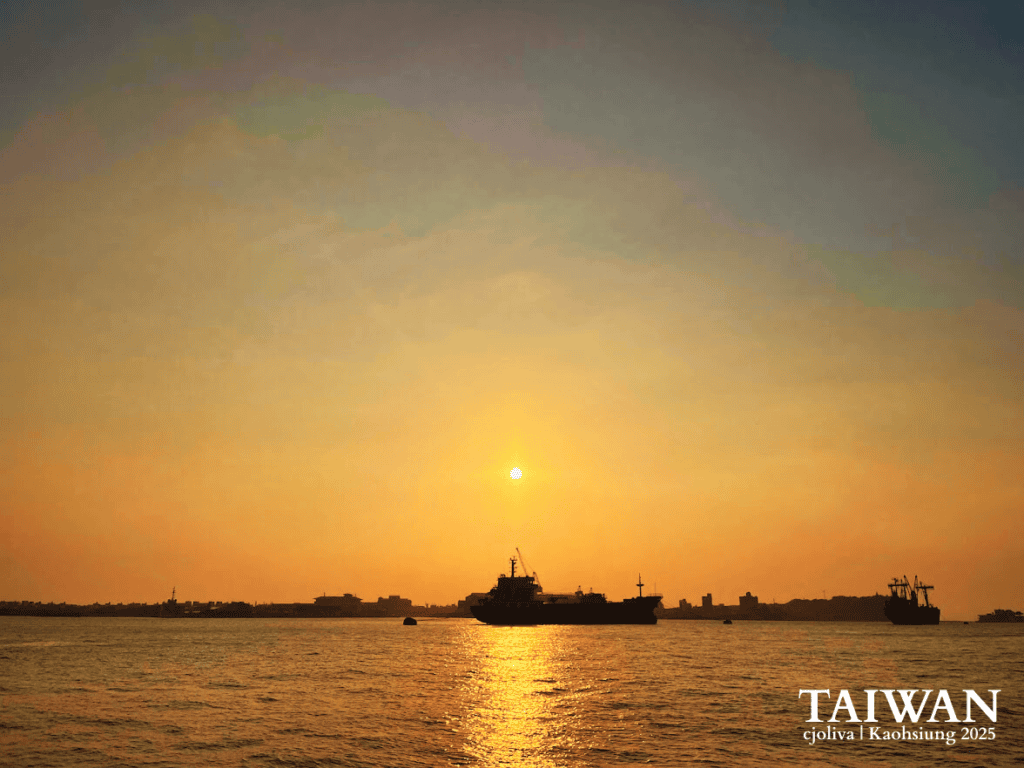
Just beyond the warehouses stands the iconic Great Harbor Bridge (Dagang Bridge), Taiwan’s first horizontal swing bridge for pedestrians. As the sun began to dip low over Love River Bay, the sky turned into a canvas of warm amber and burnt orange. I stood by the waterfront, holding my milk tea, watching the harbor catch the golden light framed by the distant skyline. It was my very first sunset in Taiwan, right here in Kaohsiung.
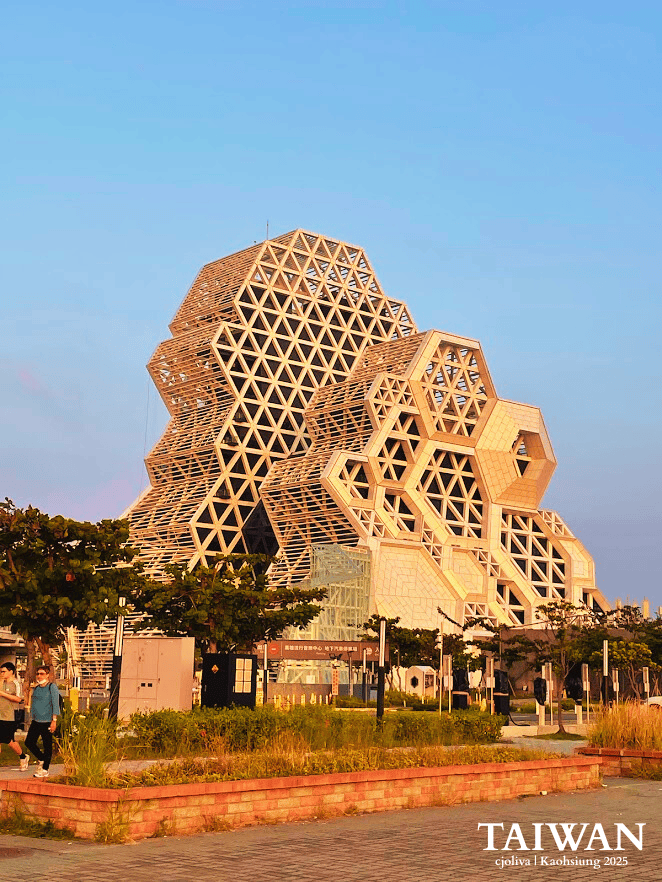
Nearby, the honeycomb-like structure of the Kaohsiung Music Center caught the same golden light, its glass panels glowing like a hive against the darkening sky—one more reminder that this city never runs out of striking silhouettes to offer at dusk.
🌅 Traveler’s Tip: The Great Harbor Bridge connects the Dayi Warehouse area directly to the Port Warehouse No. 2 (KW2) complex. If you time your visit for around 3:00 PM, you can watch the entire pedestrian bridge rotate on its axis to let boats pass!
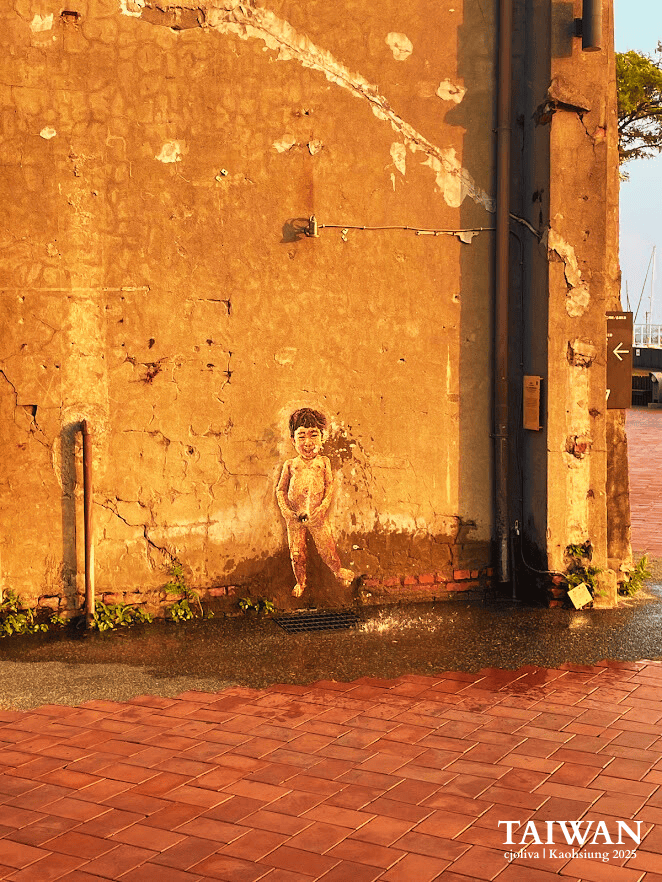
And of course, no stroll through Pier-2 is complete without a bit of creative humor. Turning a warehouse corner, I finally ran into the famous “Peeing Boy” mural, a cheeky piece of interactive street art complete with real water spurting out onto the drain below. It was art that made me pause, smile, and laugh out loud right on the spot (who cares!). I let my phone’s camera do its job 😂.
Leaving Hamasen with a Lighter Heart
I ended my day walking along the waterfront with a light heart and a peaceful mind. No rush, no worries—just the calm joy of being exactly where I needed to be. Kaohsiung has that effect on me. It captured my mind, heart, and soul… and as I left, I already knew: this wouldn’t be the last time.
It was the moment I always longed for—worry-free and calm, carried by the quiet magic of solo travel.
Next Destination: Kaohsiung, Taiwan | Day 3: Cijin Island, Kaohsiung: A Farewell Day Trip—hopping on the Gushan ferry to spend my final hours exploring historic fort trails, seaside street food, and Cijin’s iconic coastal art.
More photos here: 👇

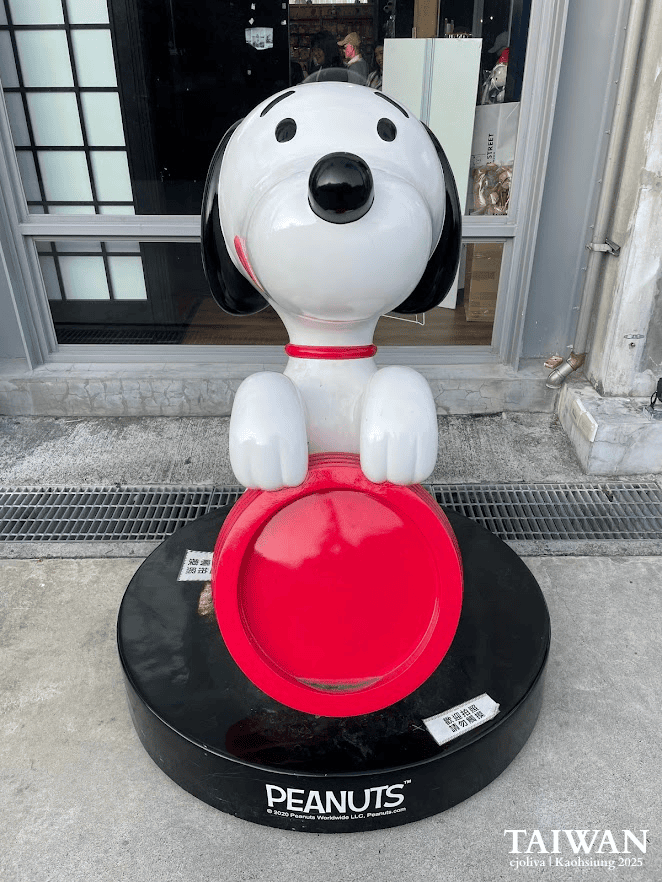
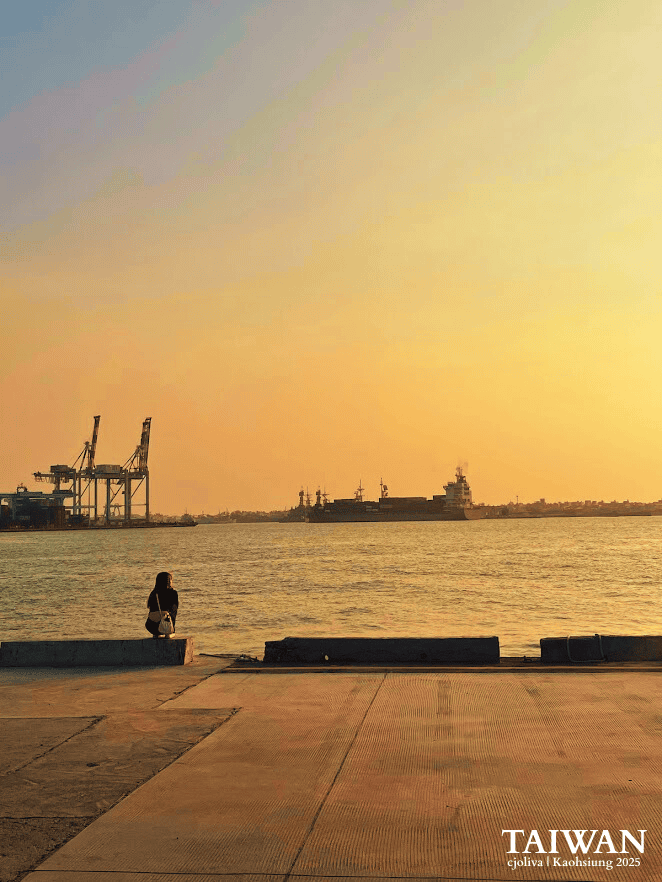
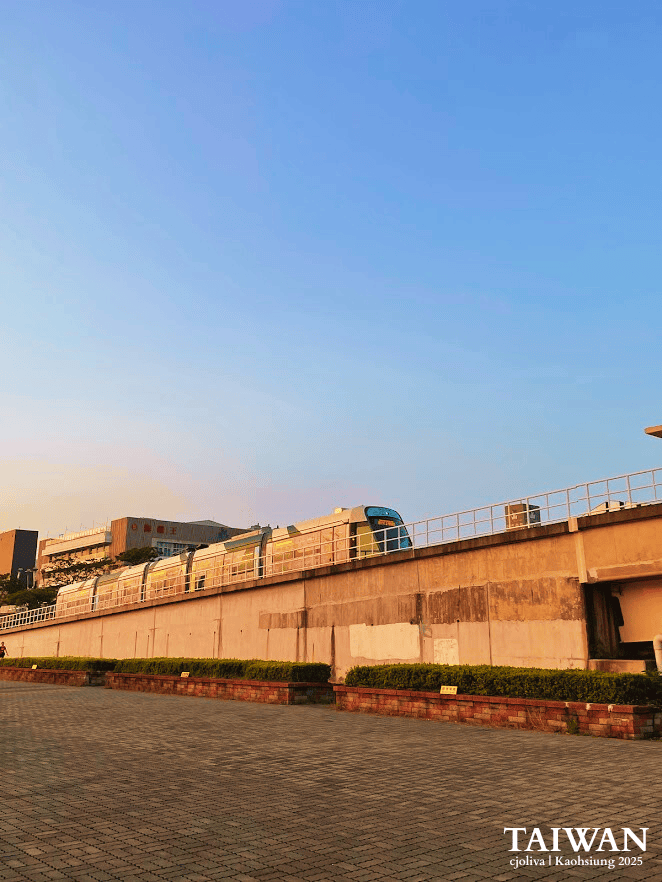
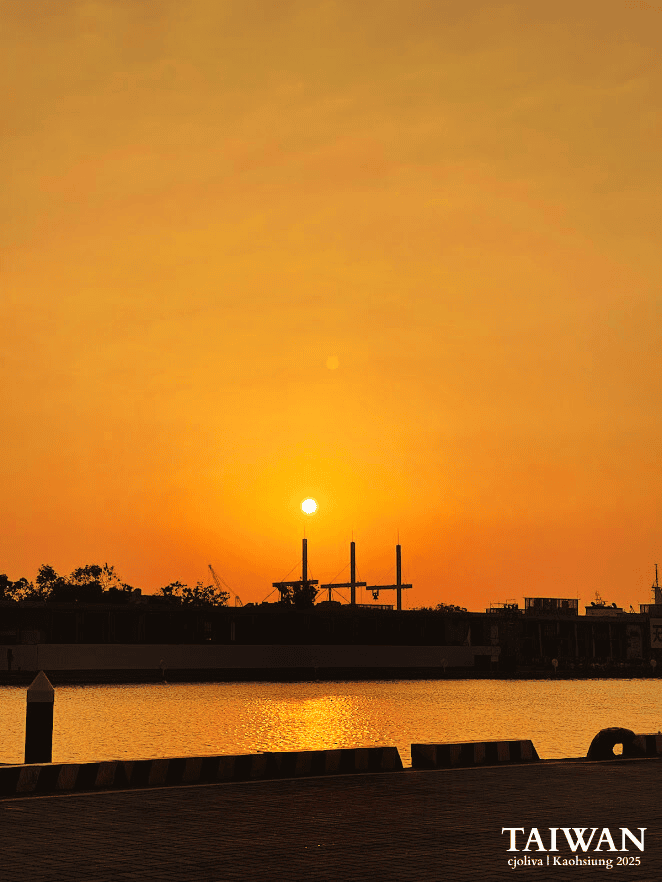
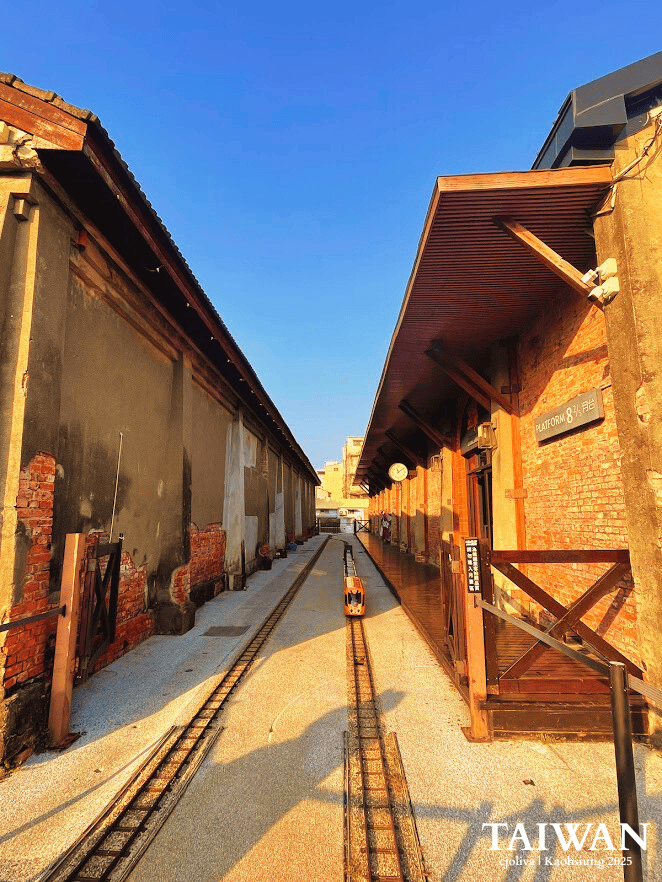
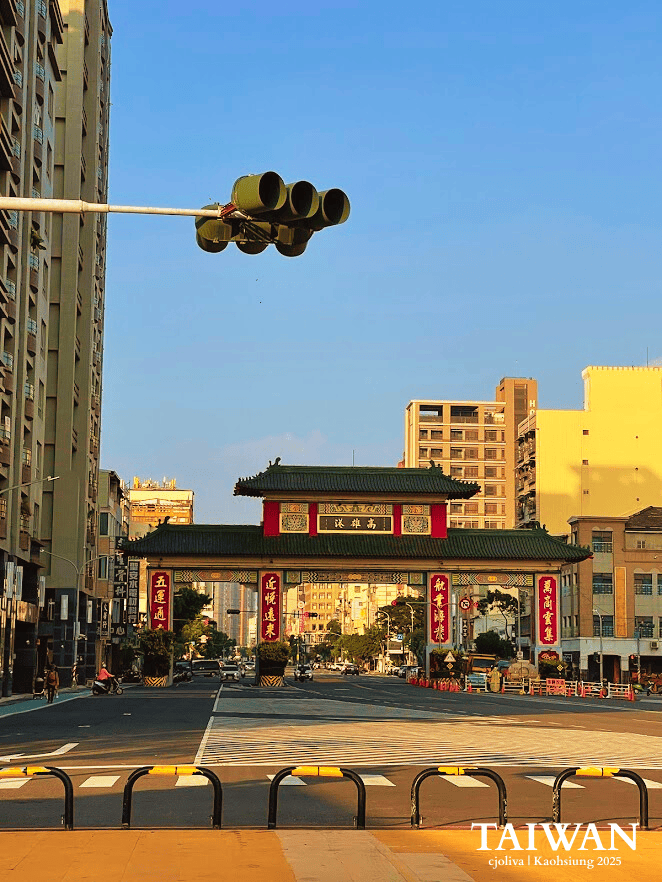
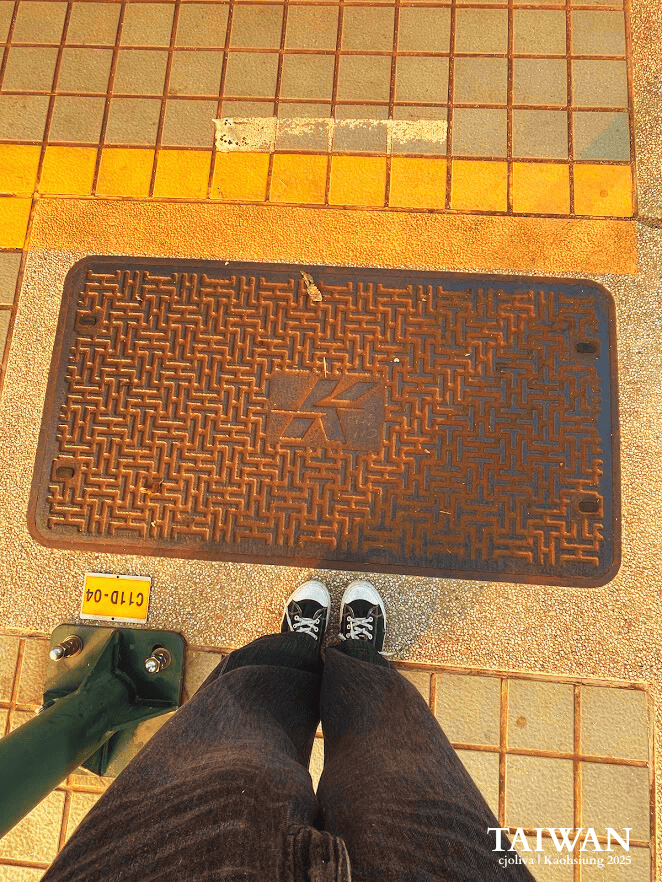
A life-sized Snoopy statue welcoming visitors outside a shop at The Pier-2 Art Center. Taking a moment to appreciate the beautiful branding. Nothing beats a refreshing tea break while exploring the city. Finding a moment of stillness as the sun dips below the horizon at the Port of Kaohsiung. Even massive cargo ships need a dramatic sunset exit. 🌅✨ Riding into the sunset hits a little different when your daily commute looks this sleek. 🚋✨ Who knew industrial equipment could look this photogenic? 🌅🏗️ A miniature train traveling down the narrow gauge tracks along Platform 8 between vintage warehouses. A gateway between eras: this traditional arch stands as a colorful sentinel amidst the modern bustle of the city. Taking the phrase “boots on the ground” a bit too literally! 👟🇹🇼 Just making sure Kaohsiung’s sidewalks are as sturdy as they look.
This blog is a continuation of my Taiwan, Two, Three… (2025 Series). Some places pull you in quietly. No grand entrance, no dramatic reveal. Just a soft call that says, “Come explore.” No strict itinerary, only the excitement of a railway enthusiast ready to follow the tracks wherever they would lead.
📅 Travel Dates: November 14–18, 2025