
Jakarta has hidden gems beyond traffic and skyscrapers, and Taman Mini Indonesia Indah (TMII) is one of them. On my second day in Jakarta, I explored this sprawling cultural park in East Jakarta, a must-visit for solo female backpackers. TMII brings Indonesia’s 38 provinces to life through traditional houses, regional pavilions, museums, gardens, and sacred spaces.
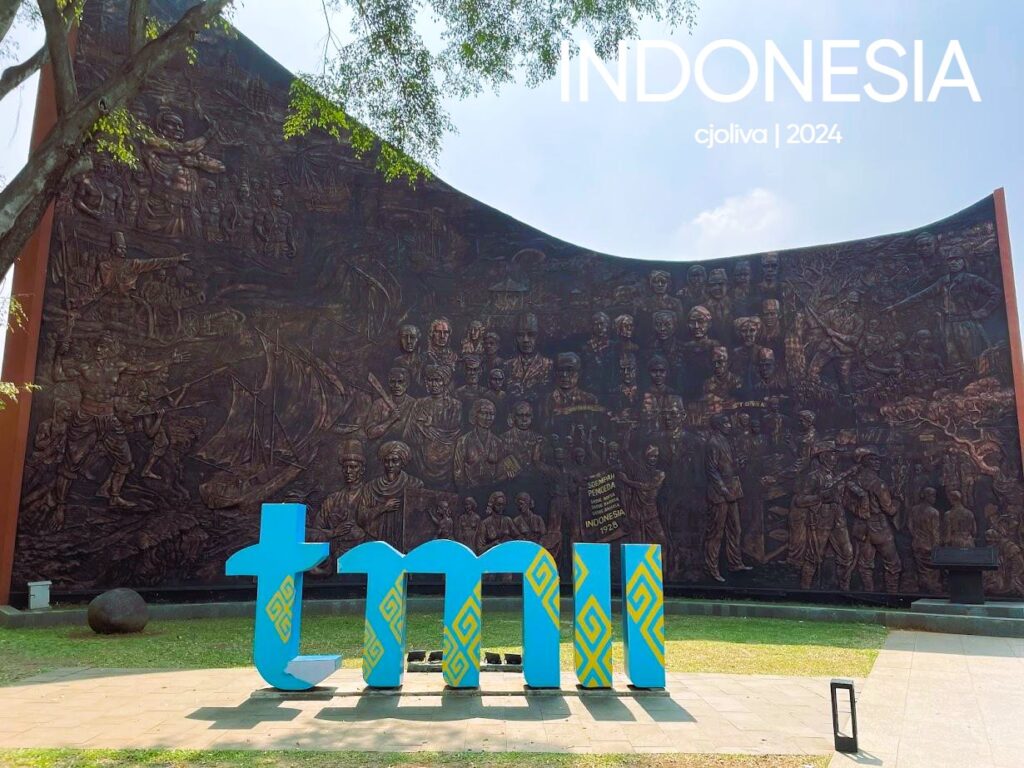
🚇Getting There: A Scenic Jabodebek LRT Ride to Taman Mini Indonesia Indah
After a light breakfast, I walked to KAI Stasiun Sudirman. I was overwhelmed by the number of passengers crowding the station. I couldn’t quite figure out where to go until I spotted a train marshal and asked whether a train to Taman Mini Indonesia Indah (TMII) ran from here. He pointed me toward a striking multi-purpose footbridge and confirmed the LRT to TMII departed from that line.
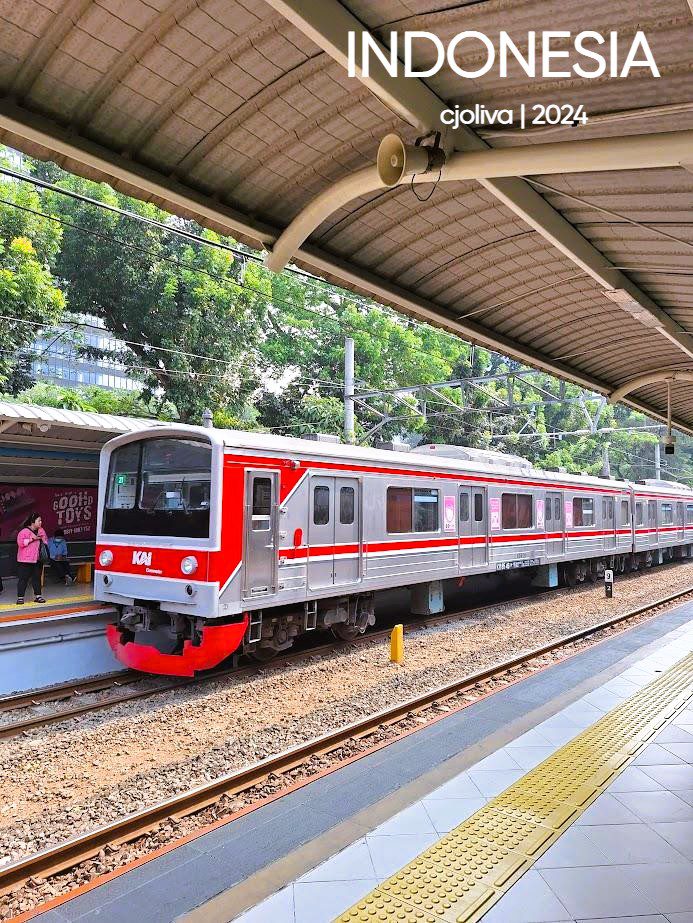
The Cibubur Line, where TMII Station sits, glided past Jakarta’s urban sprawl. Motorbikes zipped through traffic, high-rises cast long shadows, and glimpses of daily life unfolded below. It was the perfect start to a solo female backpacking Jakarta adventure.
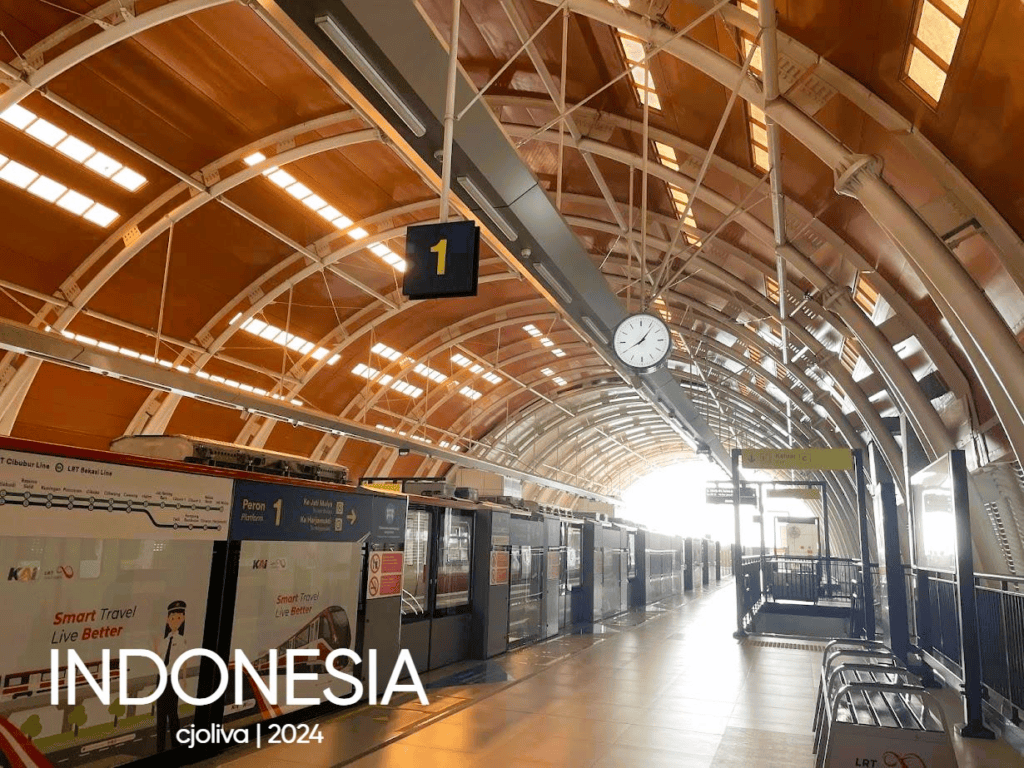
I tapped my Jak Card at the gate. Fares on the Jabodebek LRT are distance-based, so it’s worth checking the current chart at the station or via the KAI app before you go. Before long, I reached TMII Station, ready to explore Indonesia’s provinces in miniature.
🏫 Arrival at Taman Mini Indonesia Indah: A Cultural Mosaic.
From TMII LRT Station, I honestly wasn’t sure how to get to the park itself. There wasn’t an obvious path forward. I trusted my instinct and Google Maps, which showed a 20-minute walk from the station to the entrance, and decided to just go for it.
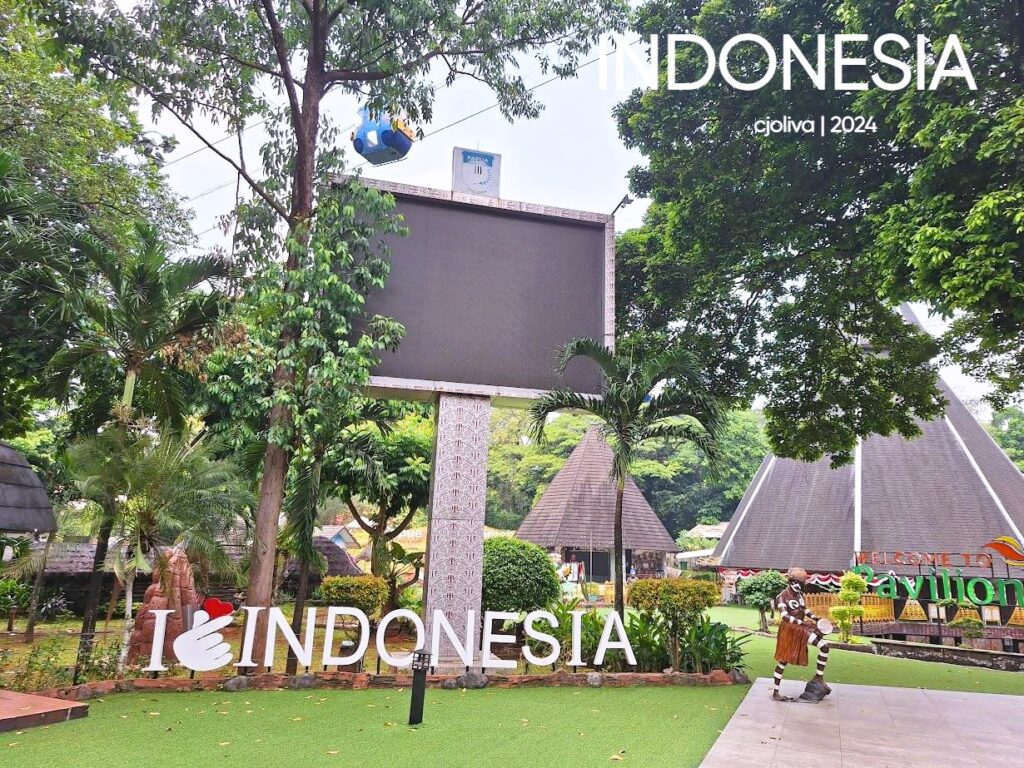
I bought my ticket at the manned counter for Rp 25,550, paying by card. Most businesses in Indonesia seem to prefer cashless payment. I later learned you can also book tickets online in advance through platforms like Klook or Agoda, which might save you the queue if you’re visiting on a busier day.
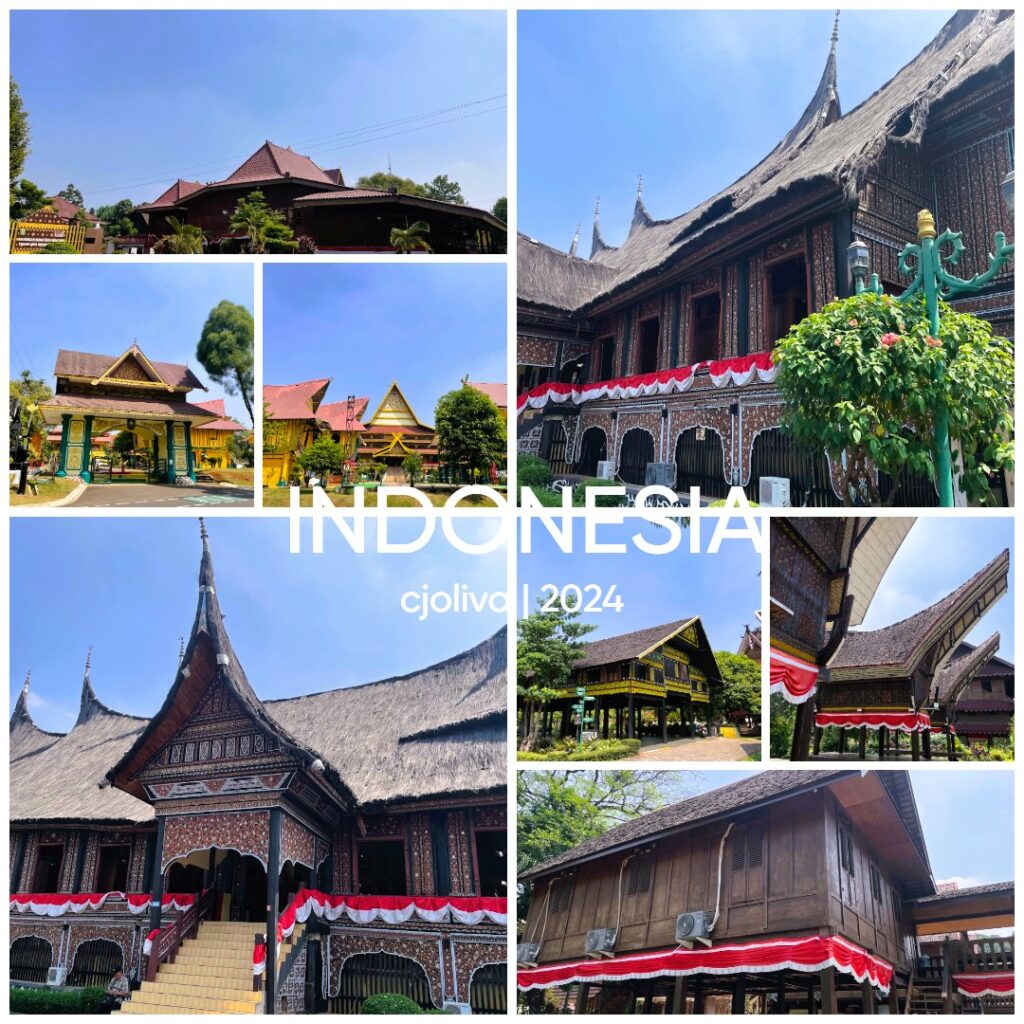
Going on a Monday turned out to be ideal timing. The pathways were empty, there were no queues, and I had entire pavilions practically to myself. Stepping in, I found a world where each province comes alive:
- Traditional Architecture: Sumatra’s Rumah Gadang, Bali’s ornate compounds, Papua’s stilted huts
- Costumes & Cultural Exhibits: Learn about local customs and crafts
- Scenic Layout: Pavilions arranged around a lake shaped like Indonesia
Taman Mini Indonesia Indah is enormous, sprawling across roughly 150 hectares, and I was glad I arrived early enough to cover all the major attractions before the day wore on.
💡 Rebel Tip: Research ahead of time. A quick look at the station layout or park entrance beforehand can save you the guesswork I went through.
🕌 Sacred Spaces & Serene Moments
Walking through the sacred spaces cluster, I passed a Catholic church, a mosque, a Protestant church, and a Chinese-style Confucian temple with vivid red-and-gold detailing. One building stopped me in my tracks, a Hindu temple, Pura Penataran Agung Kertabhumi. Its tiered stone gateways and Balinese-inspired architecture felt like stepping straight into a temple from an Indian period film.
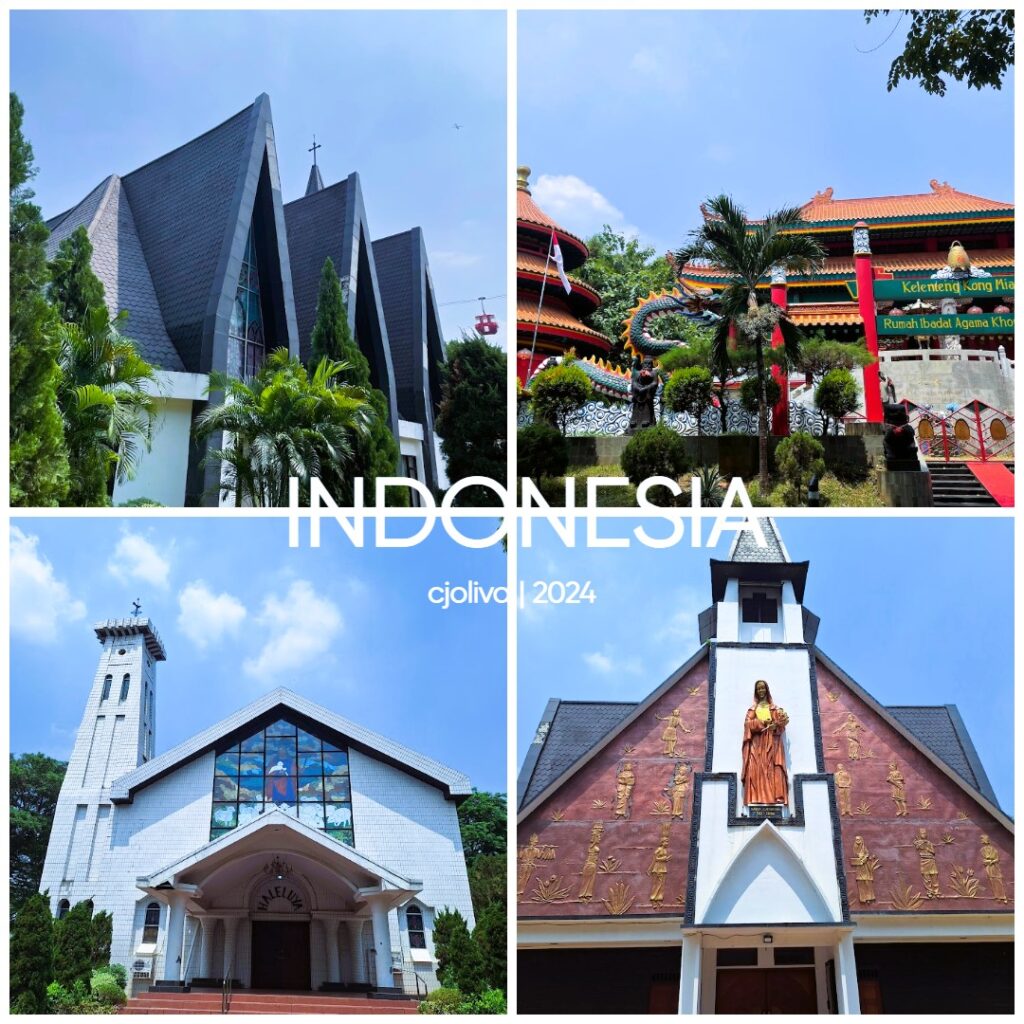
Nearby stood Sasana Adirasa Pangeran Samber Nyawa, a quieter, lesser-known space dedicated to Kejawen, Indonesia’s indigenous Javanese spirituality, a reminder that TMII’s religious harmony extends beyond the country’s six official religions into its own ancestral traditions too.
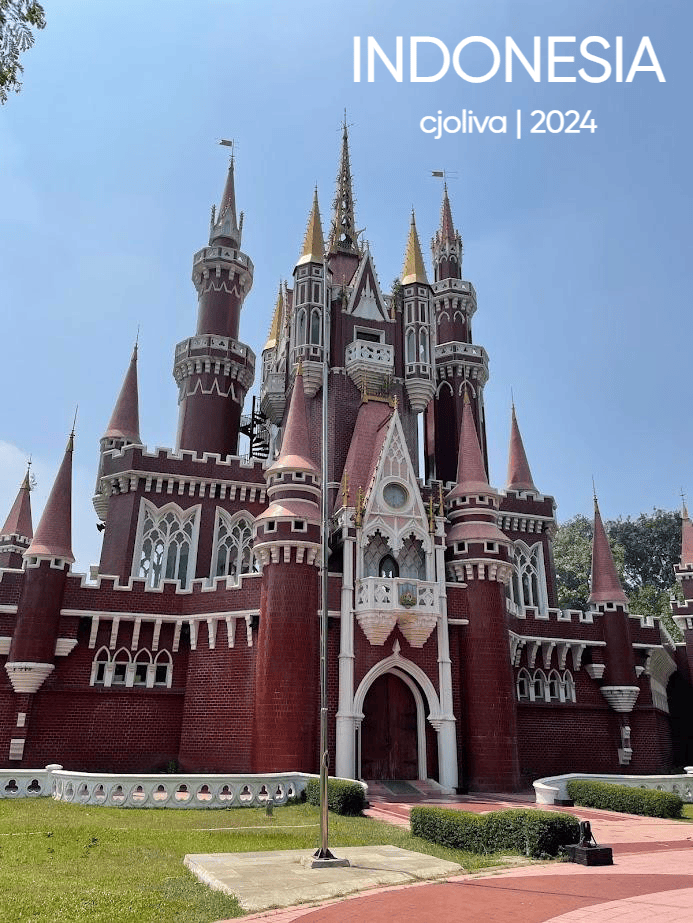
I also discovered the whimsical Children’s Palace, a playful contrast to the solemn architecture around it. Its red-brick, fairytale-castle design feels almost magical against the park’s traditional pavilions. Built as an interactive educational and recreational space for children, it’s surrounded by lush gardens and spacious pathways, serving as a central hub for kid-focused activities within the TMII complex.
Exploring TMII at my own pace let me take in both. The sacred and the whimsical, without crowds or rush, is a bonus for solo travelers.
🚌 Shuttle Surprise & Afternoon Exploration
Just as I was about to exit TMII, I noticed a staff member in a yellow uniform shirt shouting “TMII Station!” near the Tourist Information Center at the main entrance gate. I asked if the shuttle went to the LRT station, and he confirmed, yes, and it was free. There’s a free shuttle service connecting TMII LRT Station and the park’s main entrance (Pintu Utama), which I hadn’t noticed on my way in.
💡 Rebel Tip: Frequency & Travel Time: Buses depart roughly every 15 to 30 minutes depending on the crowd, and the ride takes about 10 minutes each way.
We were dropped off on the ground floor, to the left of the Travoy Hub lobby, where another staff member in a yellow uniform stood near the waiting area, someone I hadn’t spotted when I first arrived.
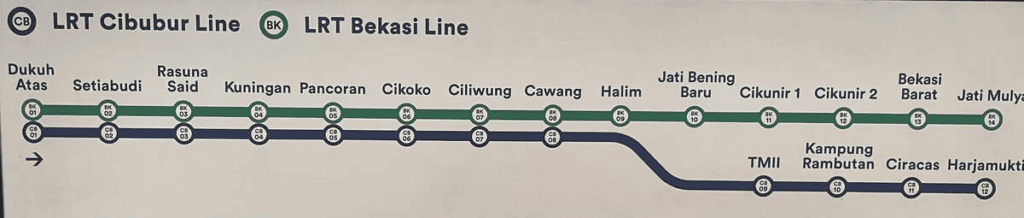
Taking the Cibubur Line again, I hopped on the train back to Dukuh Atas Station. With time still on my hands, I decided to walk toward Bundaran HI to look for something to eat but ended up taking a TransJakarta bus to Monas Tower instead. I never went inside, just passed by and kept walking, still energized to see more of the city before sunset.
🌇 Spiritual Reflections at Istiqlal Mosque & Jakarta Cathedral
From Monas, I walked toward Jakarta Cathedral, its stunning neo-Gothic silhouette catching my attention from a distance. It was closed by the time I arrived, but I lingered outside taking it in. It was only later that I realized it stands directly across the street from Istiqlal Mosque, Southeast Asia’s largest.
💡 Rebel Tip: Neo-Gothic Architecture: Built in the classic European Neo-Gothic style, Jakarta Cathedral features three massive iron spires reaching up to 60 meters high, detailed rosette stained-glass windows, and vaulted ceilings constructed from lightweight teak wood designed to withstand earthquakes.
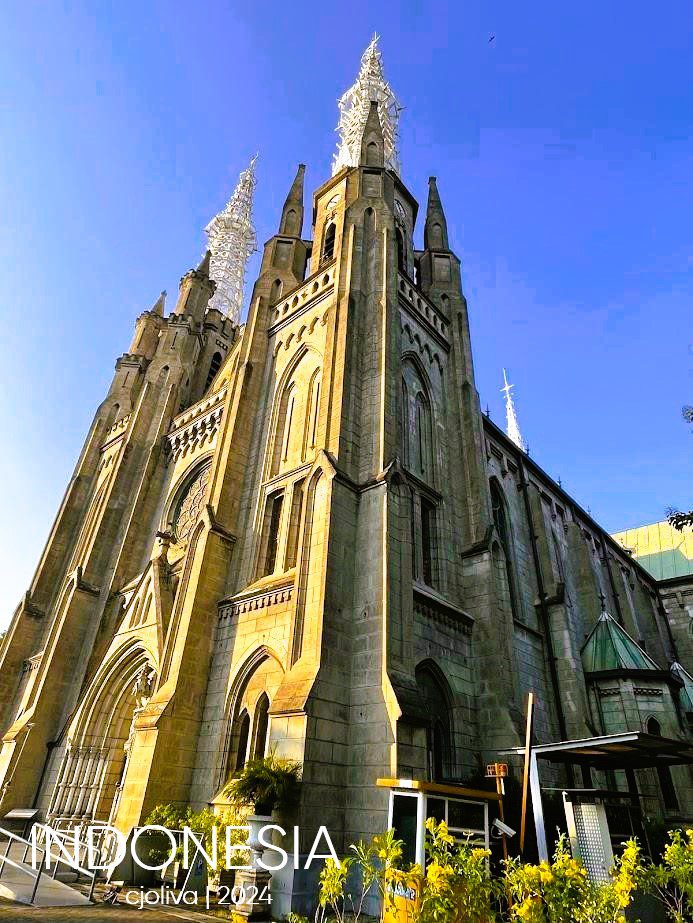
Before sunset, I visited Istiqlal Mosque itself, and its grandeur offered a moment of quiet reflection. Standing near Gambir Station afterward, I felt grateful for the paths explored and those still waiting in my Indonesian adventures.
The Istiqlal Mosque (Masjid Istiqlal) in Central Jakarta is one of the largest mosques in Southeast Asia and in the world in terms of capacity.
📌 TMII Quick Guide for Solo Female Backpackers
- Best Time to Visit: Weekdays, especially Monday–Thursday, for quiet exploration
- Getting There: Jabodebek LRT to TMII Station + 20-minute walk or shuttle
- Ticket Info: ~Rp 25,000–50,000 at the entrance
- Highlights: Traditional houses, provincial pavilions, sacred spaces, Children’s Castle, museums
- Food Options: Small cafés and street vendors inside and nearby
- Safety Tips: Well-lit areas, comfortable shoes, stay hydrated
🌆 Closing Thoughts
Taman Mini Indonesia Indah is more than a tourist spot. It’s a miniature Indonesia that captures the country’s diversity beautifully. From traditional pavilions to sacred spaces and playful architecture, TMII offers cultural immersion and serene moments alike.
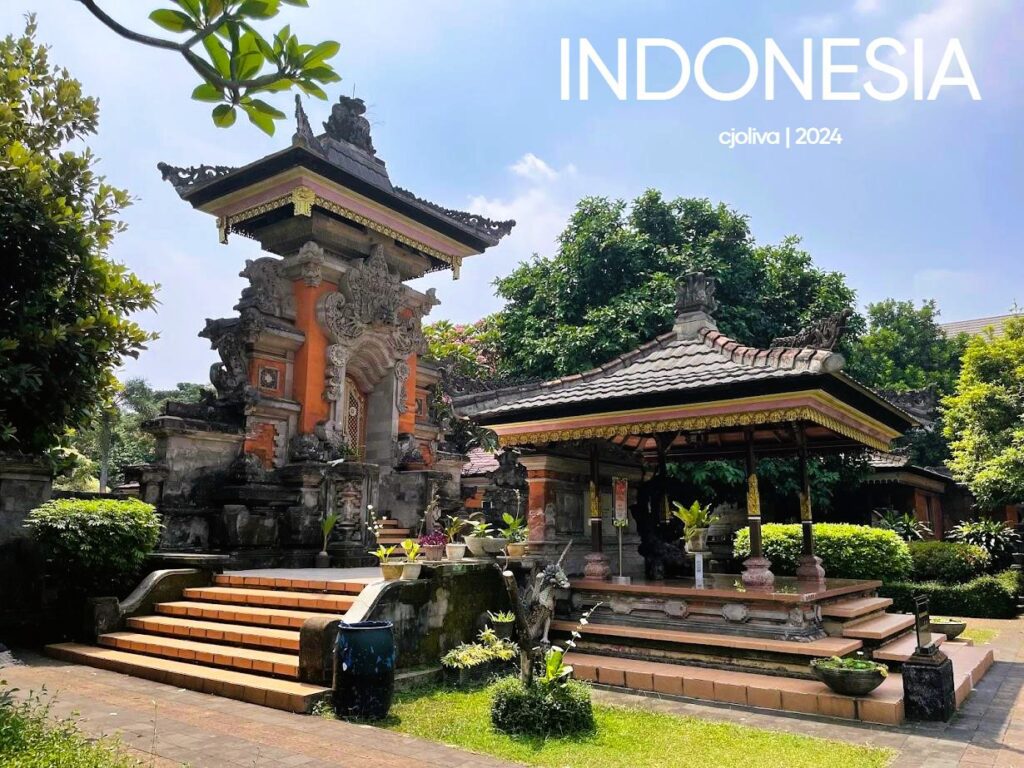
Backpacking Jakarta as a solo female traveler revealed hidden oases like Taman Mini Indonesia Indah, where history, culture, and architecture coexist peacefully.
TMII is a must-see for solo female backpackers in Jakarta, blending culture, tradition, and Instagram-worthy sights.
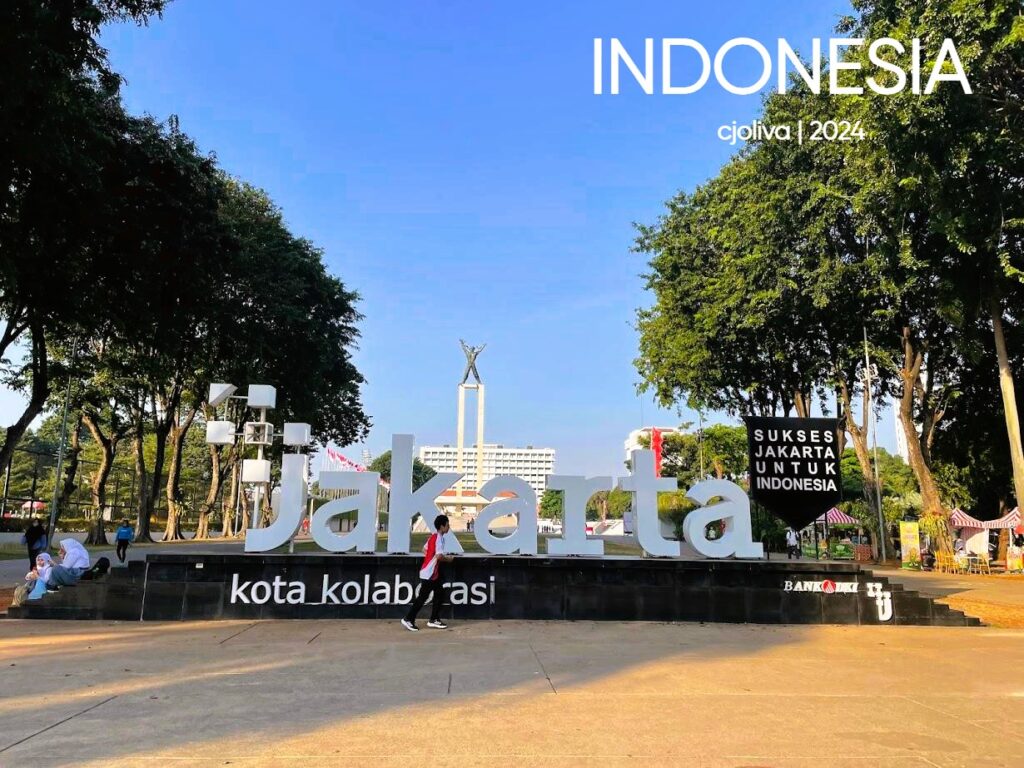
Navigating Jakarta was easier than expected, whether hopping on the MRT, TransJakarta, or LRT. If you want a deeper dive into Jakarta’s hidden gems, check out my full blogs: Backpacking Jakarta City, Indonesia, and Exploring Kota Tua Jakarta: A Solo Female Backpacker’s Day.
I went to Jakarta, Indonesia, on August 17-20, 2024, alone. It was my first time exploring a Muslim-dominated country, and I was pleasantly surprised by the warm hospitality and diverse culture I experienced during my visit. Thank you for reading and supporting my work.

Pingback: Exploring Jakarta: Solo Backpacking in Indonesia
Pingback: Exploring Kota Tua Jakarta: A Solo Female Backpacker’s Day