✍️ Originally written in 2011. Revisited and reflected on in 2025.
A backpack. A bunch of friends. Zero expectations.
It was the kind of weekend you didn’t overthink. You just said “okay,” packed your things, and headed straight for the meet-up, off to explore Anawangin Cove in Zambales.
This is that story.
📍 Flashback: Anawangin, Zambales – 2011
Before the fancy travel planners, packing cubes, and waterproof phone pouches, there was this:
- A raw, spontaneous weekend escape to a cove we only heard or read about through other friends’ Facebook accounts.
- A blog draft that sat unpublished for over a decade—until now.
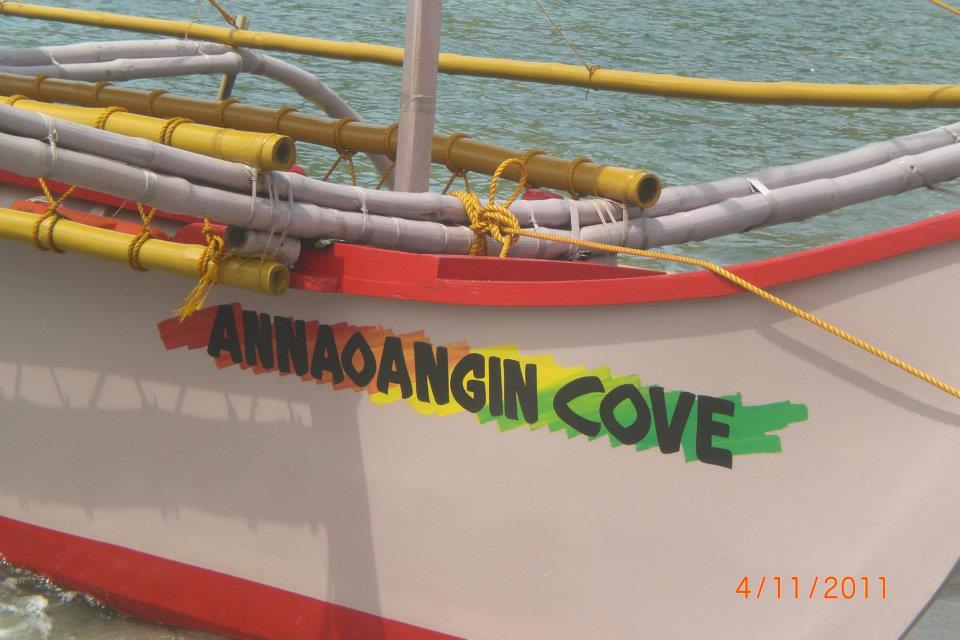
Looking back now, I barely remember the details—but I’ll always remember how I felt. Carefree, young, slightly sunburnt, and wildly alive.
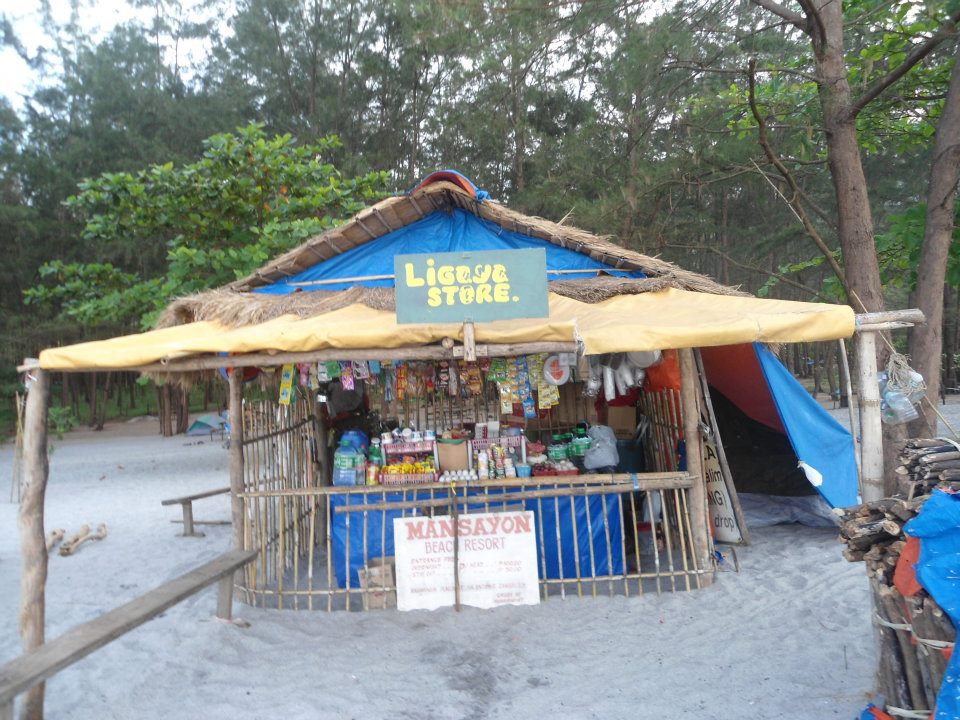
Photo credits to the owner.
⛰️ The Barkada Plan
Anawangin happened because someone in the group randomly said, “Gusto niyo ng beach na may bundok? ”A few texts later, we had a group of weekend warriors ready to escape the city.
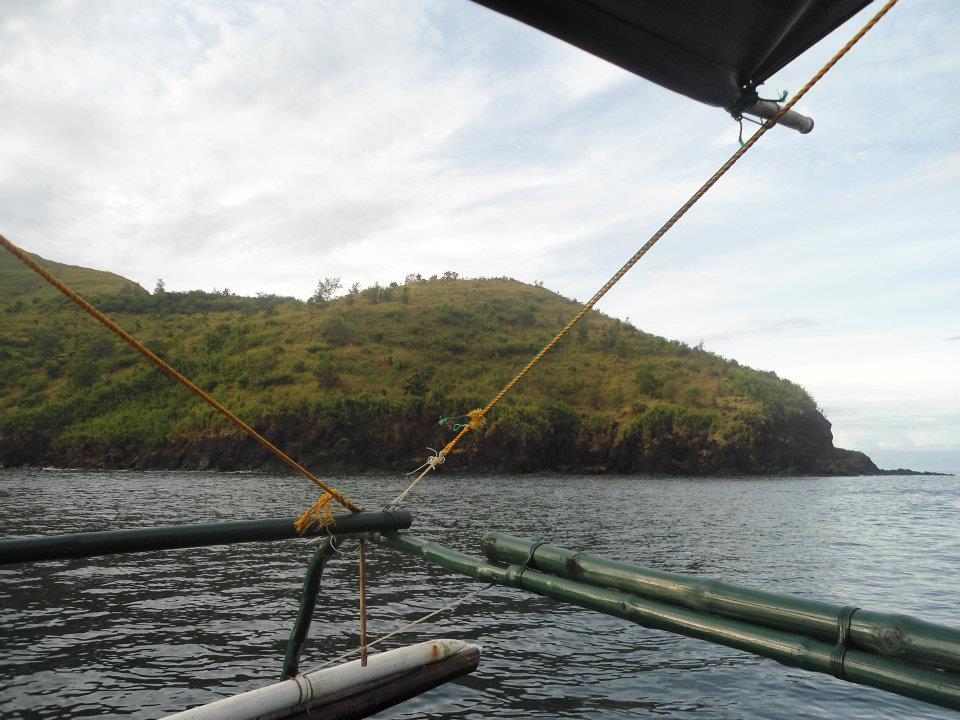
Photo credits to the owner.
🚐 The Journey
We took a Victory Liner bus to San Antonio, Zambales. From there, a trike to Pundaquit. Then, the highlight: the boat ride to Anawangin Cove. The waves were wild, but our spirits were wilder. 😆
“Kuya, sobrang maalon po ba? ”
“Oo, pero konti lang.”
Translation: Brace yourselves, folks. 😆
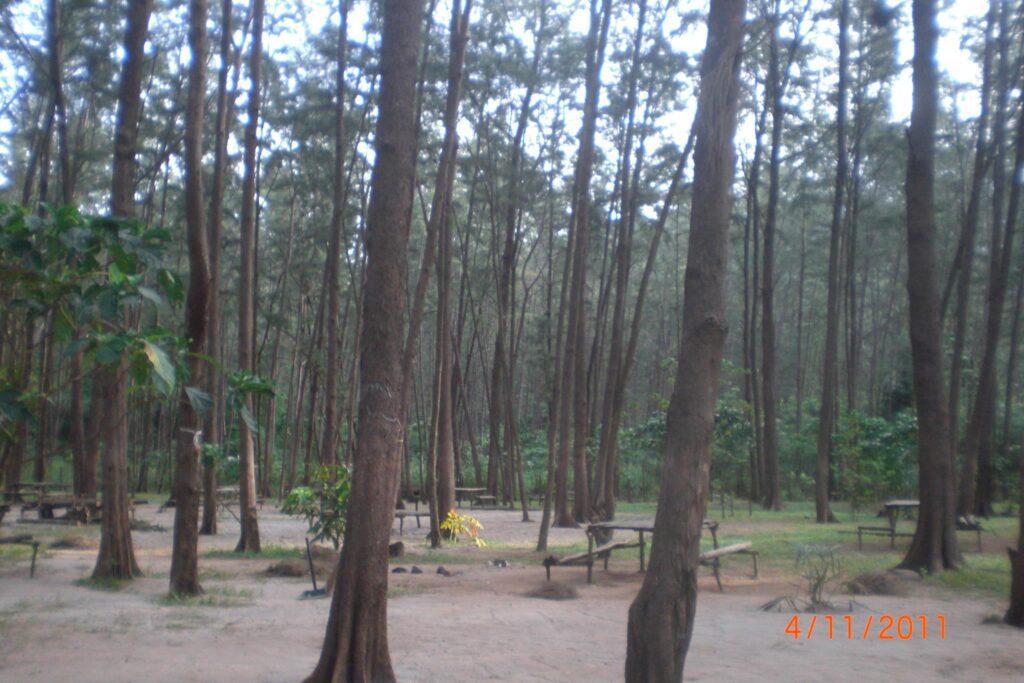
Photo credits to the owner.
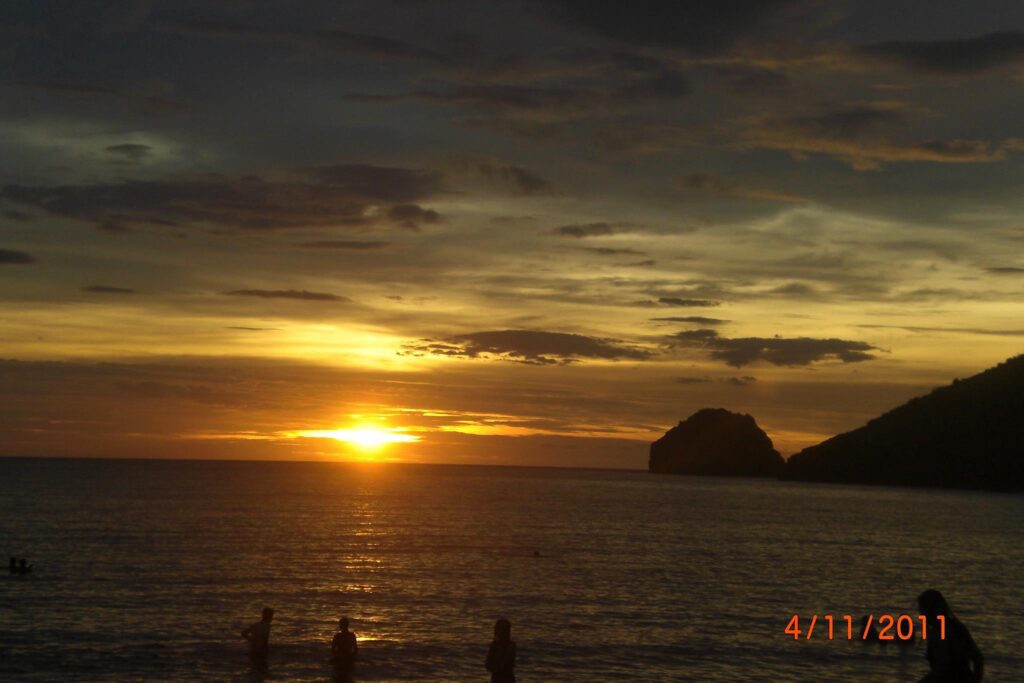
As soon as we arrived, we were welcomed by a surreal sight: pine trees growing near the beach, volcanic ash for sand, and zero signal. Paradise.
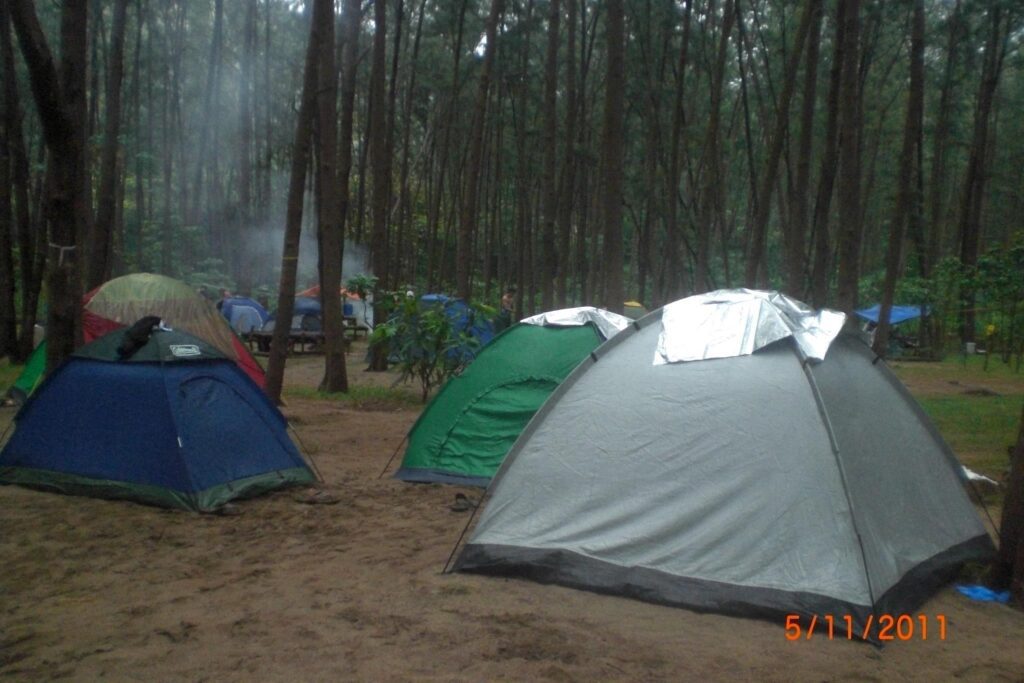
Photo credits to the owner.
🌲 Island Rituals
Tents. Cooking gear. Canned goods. We brought everything. Some of us were first-timers, others seasoned mountaineers. But when the bonfire lit up and the stars took over the sky, we all became kids again. We took lots of low-res photos with our digicams and early smartphones (grainy but full of heart!) and explored the cove like we were discovering a new island on Survivor Philippines.
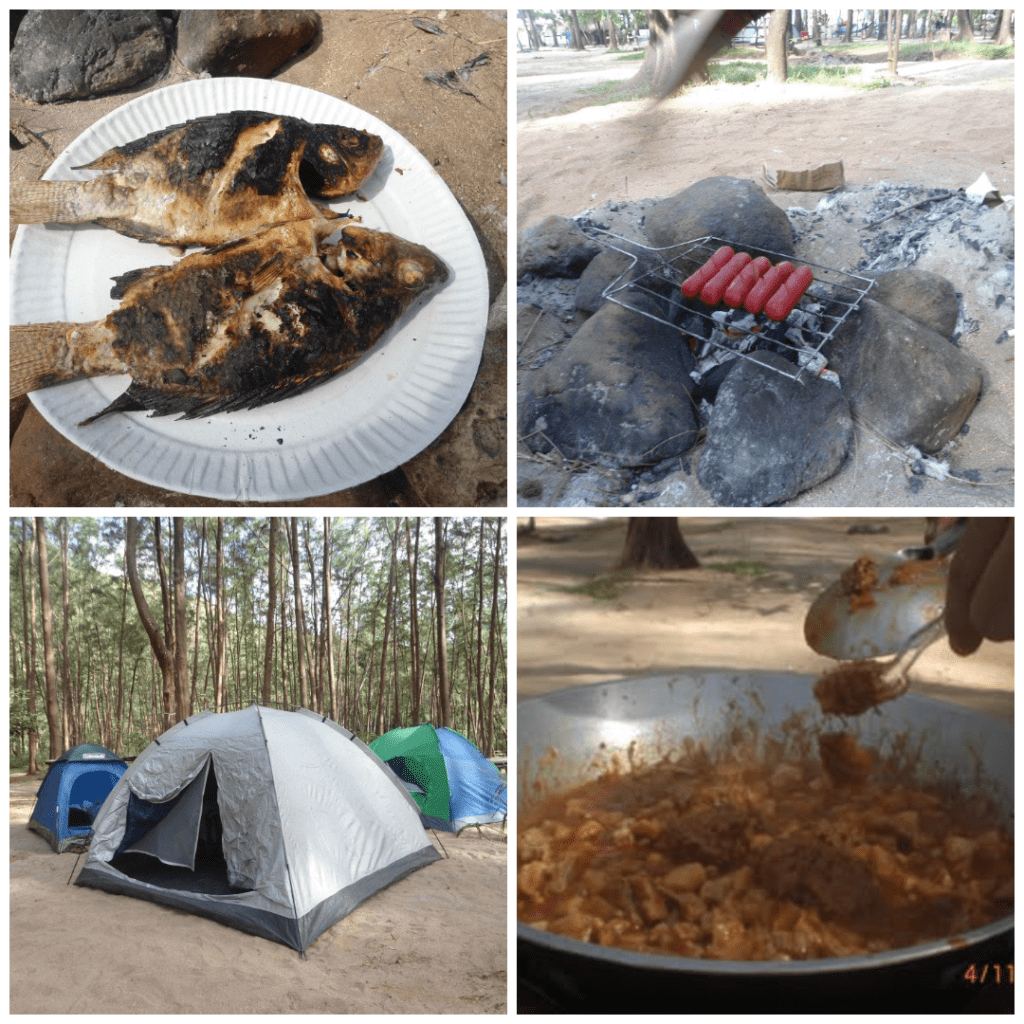
Photo credits to the owner.
At night, there were no lights—just the moon, the stars, and the hum of crickets… and us, telling stories, laughing over canned goods and instant noodles, and whispering dreams into the night air.
🌊 Anawangin Cove Travel Guide: Then vs. Now
While our 2011 trip was built on spontaneous text messages and simple digicams, visiting Anawangin Cove today is much more streamlined. If you’re planning your own escape to this iconic Zambales cove, here is what you need to know:
🚌 How to Get to Anawangin Cove from Manila
- Bus to San Antonio, Zambales: Board a Victory Liner bus in Cubao or Pasay bound for Iba or Santa Cruz, Zambales. Ask the conductor to drop you off at the San Antonio Public Market. (Travel time: 4 to 5 hours).
- Tricycle to Barangay Pundaquit: From the market, take a local tricycle to the coastal village of Brgy. Pundaquit, the primary jump-off point for boat transfers.
- Boat Ride to Anawangin: Hire a local motorized banca from Pundaquit Beach to Anawangin Cove. The scenic boat ride takes about 30 to 45 minutes depending on sea conditions.
🚤 Island Hopping Options
Most boat operators in Pundaquit offer side trips along the San Antonio coastline. You can combine your trip to Anawangin with:
- Capones Island: Known for its dramatic rocky cliffs and historic Spanish-era lighthouse (Faro de Punta Capones).
- Camara Island: A small, picturesque island with a clear sandbar during low tide.
- Nagsasa Cove & Silanguin Cove: Further south along the coast, offering quieter alternatives with similar pine-like Agoho tree landscapes.
⛺ What to Expect: Camping & Amenities
- Entrance & Camping Fees: Visitors pay a nominal environmental fee at Pundaquit and an entrance/camping fee upon arrival at Anawangin Cove.
- Electricity & Signal: While there are solar lights and generator-powered stalls today, mobile signal (Smart/Globe) remains spotty inside the cove—making it still one of the best places for a digital detox.
- Facilities: Basic restrooms and freshwater pump showers (poso) are available, along with small sari-sari stores for basic supplies.
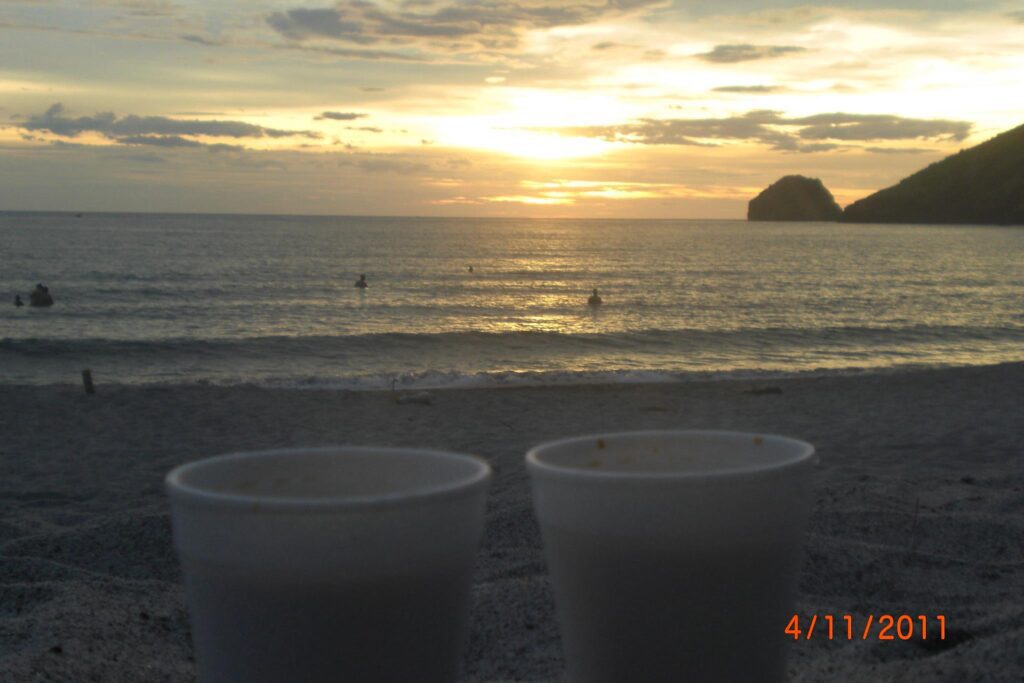
Photo credits to the owner.
🕯️ The Climb at Capones
Rain fell like a soft drizzle as we rode the boat to Capones Island. The sea tossed and sighed, but we reached shore with soggy determination. From there, the real challenge began—a slippery, rocky ascent toward the old Spanish lighthouse.
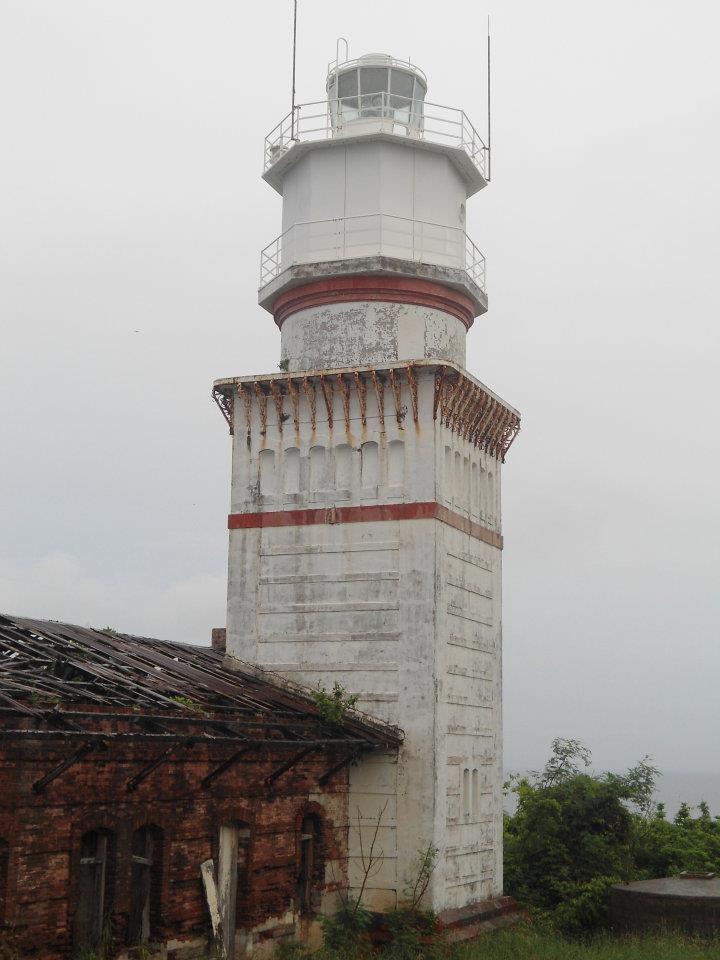
Photo credits to the owner.
I held tight to the rope along the trail, knees shaking and heart thumping—but not from fear. It was exhilaration. I climbed fast, beating the boys, feeling every step like a declaration. And when I reached the top—42 creaky spiral stairs later—I closed my eyes, felt the wind on my face, and whispered, “I did it.”
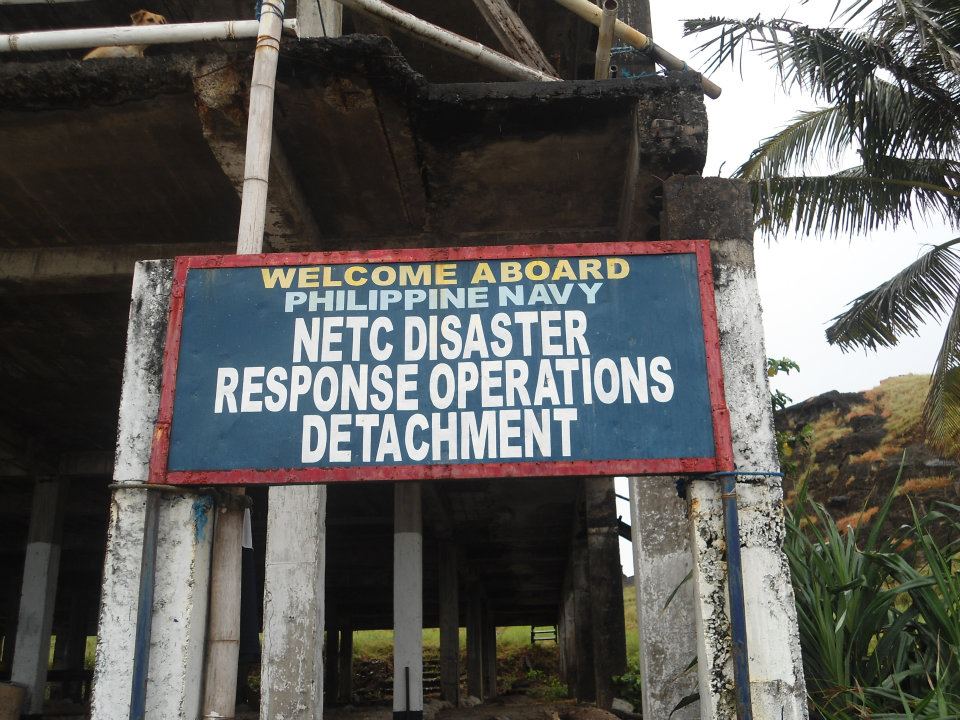
Photo credits to the owner.
The lighthouse stood hauntingly regal. Rusted, weathered, almost forgotten. But to me, it felt like it remembered every climber who ever dared. It saw me. It saw all of us.
We laughed, teased, and jumped for photos at the peak like we’d conquered something larger than the trail—maybe something within ourselves.
🧭 Waves That Stayed
Some places don’t ask to be remembered—they simply never leave. Just like our group photo in front of the lighthouse, frozen mid-laughter and adventure, those memories from my rookie corporate days—aka weekend warriors—etched themselves deep in my mind, heart, and soul.
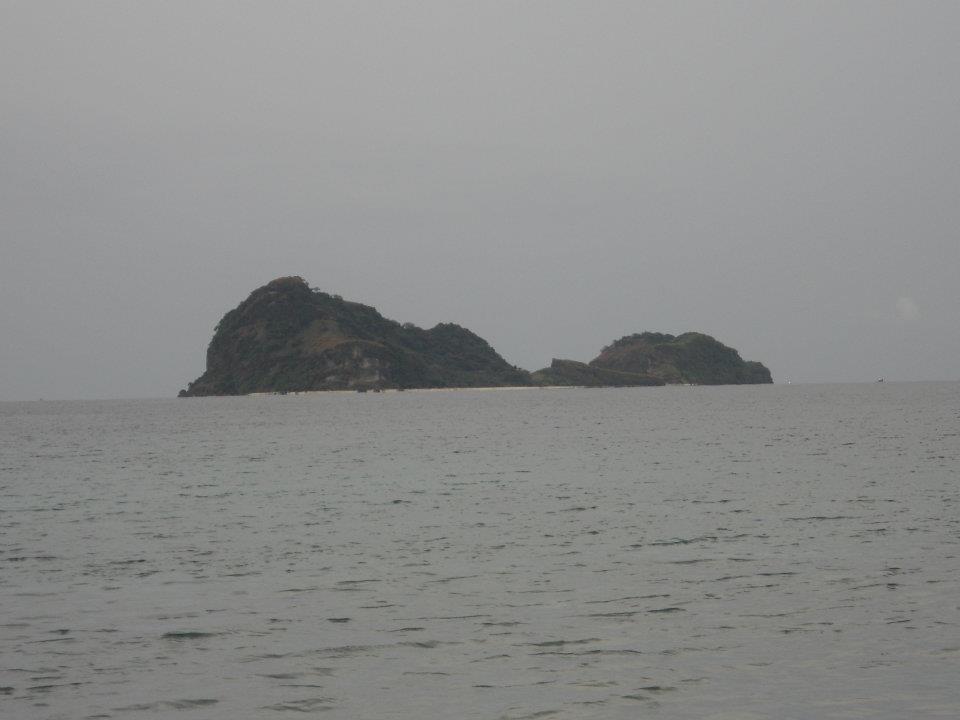
Zambales didn’t just host a trip. It held space for a version of me learning, growing, and daring to climb both literal mountains and internal ones. And while the pixels may blur and the old blog may yellow with time, the story will always pulse with life.
🌅 2025 Reflection: Then vs. Now
This post was drafted more than a decade ago—when Facebook had no Reels, when we relied on tagged photo albums and Blogspots to tell our travel stories—this was my 2011. No Instagram filters, Reels, or #travelgoals, just friends, Sky Flakes, canned tuna, tents, and tides. I’m publishing it with a few tweaks in 2025 to reflect my writing style but still keep the original voice—an unapologetically 2011 one.
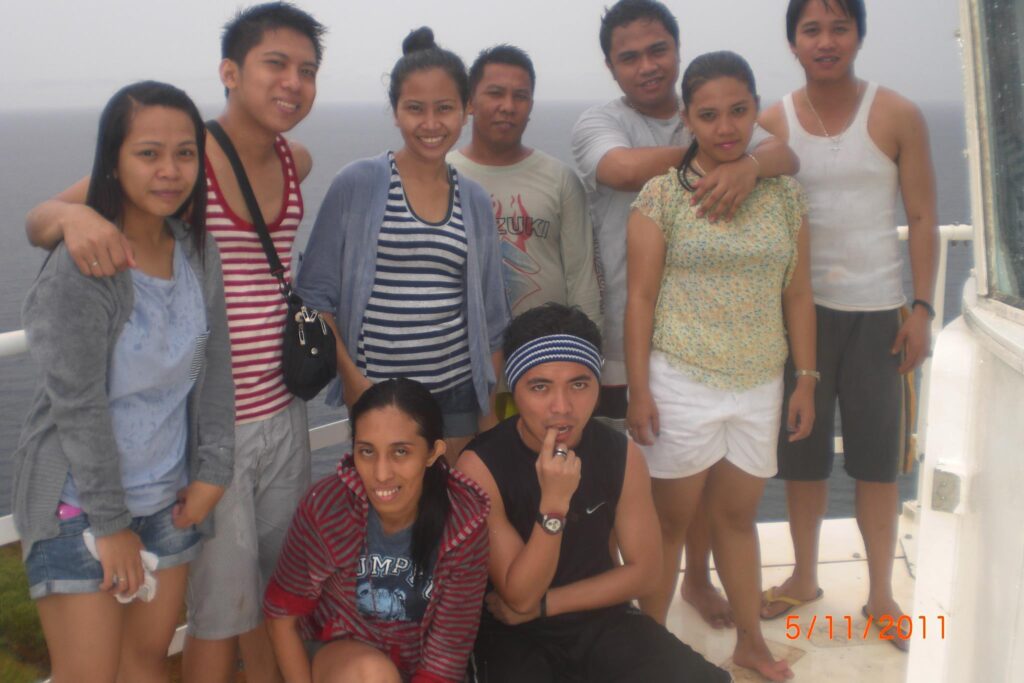
The destination changed, and so did I. But the heart behind it? Still beats for sunsets, friendships, and moments that ask nothing but to be felt.”
I’m glad I never deleted this blog draft. I’m even more glad I lived this moment.
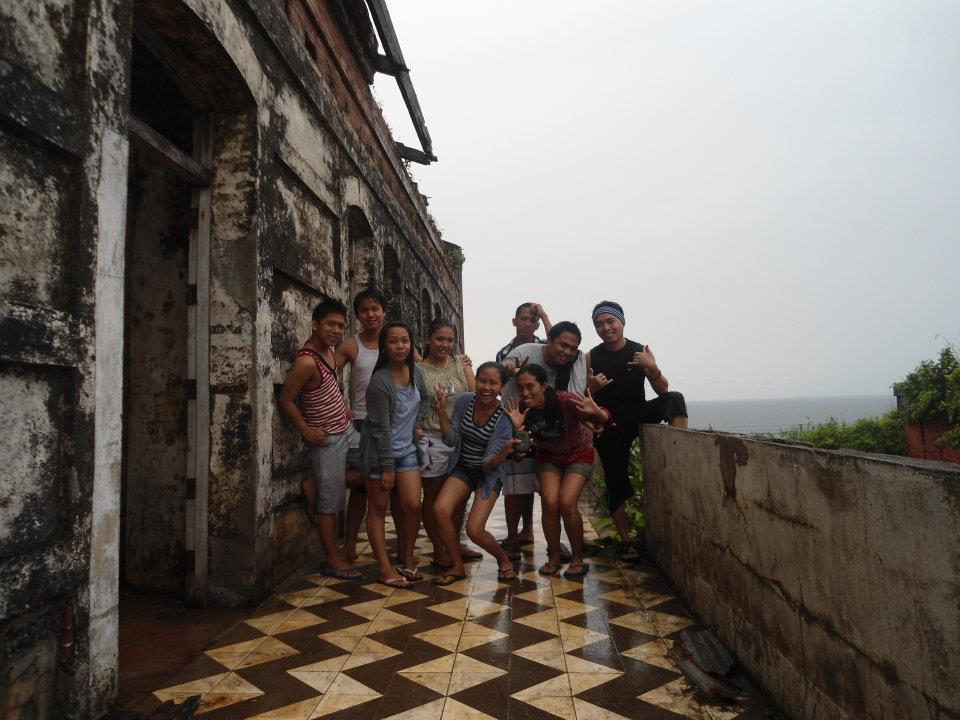
Photo credits to the owner.
Sometimes, it’s not about perfect grammar or curated travel shots. It’s about telling your story—messy, raw, real. And that 2011 girl? She was already doing it.
So here’s to her. To old friends, cheap adventures, and the kind of memories that only get better with time. See you again someday, Anawangin. See you again someday, guys.
❓ Frequently Asked Questions
Why are there pine trees in Anawangin Cove?
The trees along the shoreline are actually Agoho trees (Casuarina equisetifolia), a species of evergreen tree native to coastal regions. They began naturally sprouting in the area after the ashfall from the 1991 Mount Pinatubo eruption transformed the local soil landscape.

Can you do a day tour in Anawangin Cove?
Yes, day tours are allowed. However, an overnight tent camping trip under the Agoho canopy and star-lit sky is widely recommended to fully experience the cove's tranquil atmosphere.

Are there resorts or luxury hotels inside Anawangin Cove?
No, Anawangin Cove remains an ecotourism and camping area. There are no concrete luxury resorts or hotel rooms directly on the beach, though simple cottage rentals, open huts, and tent rentals are provided by local operators.