If you grew up in the early 2000s swooning over F4 and cheering for Shan Cai, stepping onto the central boulevard of National Chung Cheng University (中正大學)/CCU in Minxiong feels less like a campus tour and more like walking straight onto a TV set. Better known to pop-culture pilgrims as the prestigious Ying De University, this stunning campus in Chiayi remains the ultimate Meteor Garden filming location in Taiwan.
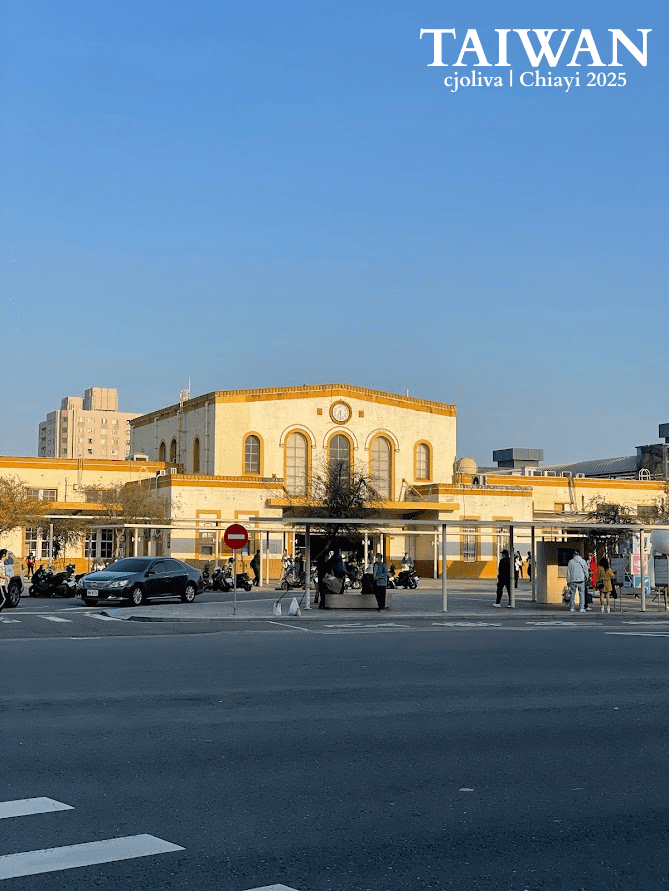
On my last day in Chiayi City, I checked out early. My original plan was simple: take the local train from Chiayi TRA Station to Minxiong, then catch a bus to CCU. There was something quietly exciting about following a route I had only ever seen on screen, as if I were stepping into a memory that wasn’t entirely mine but still felt strangely familiar.
But travel has its own way of rewriting plans and giving you a good story to laugh at later.
When I arrived at Chiayi TRA Station, I wanted to check out the BRT (Bus Rapid Transit) bound for the HSR station. To cross over to the Rear Station, where the bus terminal sits, the station staff handed me a laminated pass and a paper slip.
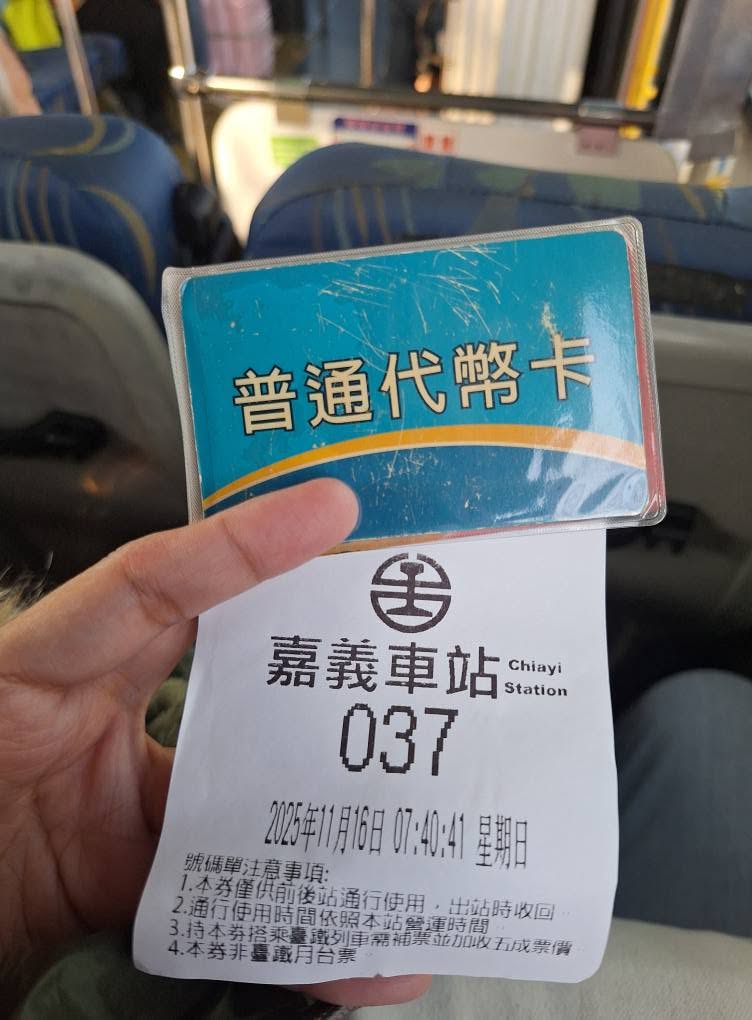
In my innocent travel optimism, I completely misunderstood what it was and thought, “Oh, amazing! A free BRT bus card! ”(Spoiler alert: I later realized that paper slip was actually just a free pedestrian pass meant for walking across the station overpass between the Front and Rear exits! How I managed to board the BRT without the driver charging me remains a mystery of Taiwanese hospitality and language-barrier grace.)
💡 Route Efficiency & Transit Tip:
Taking the BRT to Chiayi HSR Station first was a fun, spontaneous detour! If you want the fastest, most direct routes to CCU:
- Direct Bus (Easiest): Board Bus 106 directly from Chiayi TRA Station straight to CCU without going to the HSR station first.
- Train + Taxi/Bus (Fastest): Take the local TRA train from Chiayi TRA Station to Minxiong TRA Station (approx. 10 minutes), then take a quick 10-minute bus or taxi to the CCU campus gates.
- BRT Note: The Chiayi BRT is free if you have a valid HSR train ticket for transfer; otherwise, standard fares apply via EasyCard/iPASS.
Misunderstood pass in hand, my route suddenly changed. I hopped onto the BRT, rode it all the way to Chiayi HSR Station, and spotted Taiwan Tourist Shuttle Bus 106 waiting at the bay. A quick glance at the route map confirmed one of its key stops was CCU. I didn’t think twice. I tapped my EasyCard, boarded Bus 106, and settled in for the scenic ride to Ying De University.
A Scenic Bus Ride into the Heart of Chiayi
As Bus 106 pulled away, Chiayi slowly began to change. The city’s bustle faded into a softer landscape: narrow roads with only a handful of cars, rice paddies stretching endlessly into the distance, and the occasional farmer bent over in the fields. The scenery felt calmer, as if time itself had loosened its grip.
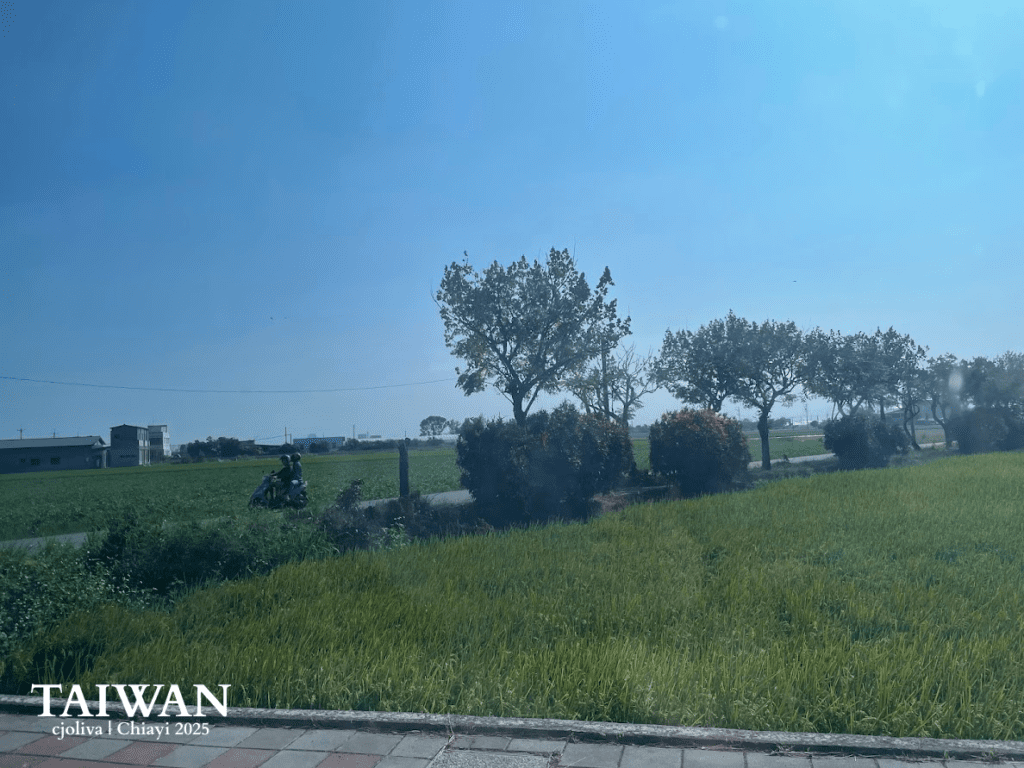
I leaned against the window, quietly watching the countryside roll past. It was peaceful, rural, and unmistakably the Chiayi countryside. The ride became a moving canvas for reflection, a chance to breathe and let the memories of Taiwan settle gently into place.
Exploring Meteor Garden Filming Locations in Minxiong, Chiayi
CCU—National Chung Cheng University (中正大學): A Fangirl Pilgrimage
After countless stops, the bus finally arrived at the gate of National Chung Cheng University (中正大學). I hadn’t done much research about the exact filming locations beforehand, so I arrived with zero expectations. One thing was immediately clear, though. The campus was enormous.
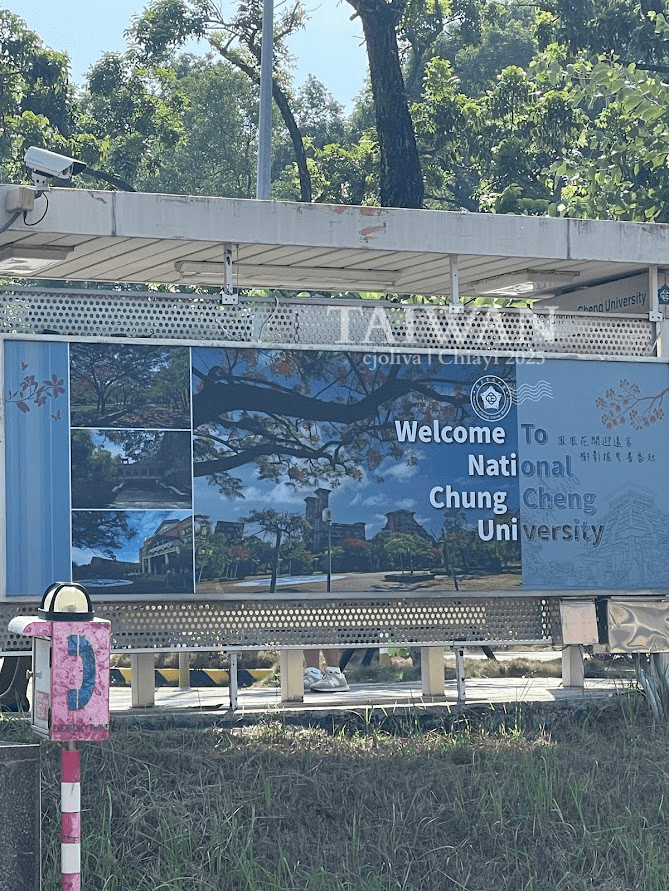
The moment I stepped off the Taiwan Tourist Shuttle, a familiar rush of excitement took over. You know that feeling when a place you’ve only seen on screen suddenly becomes real? I found myself hopping from one spot to another, recognizing scenes I had memorized from Meteor Garden.
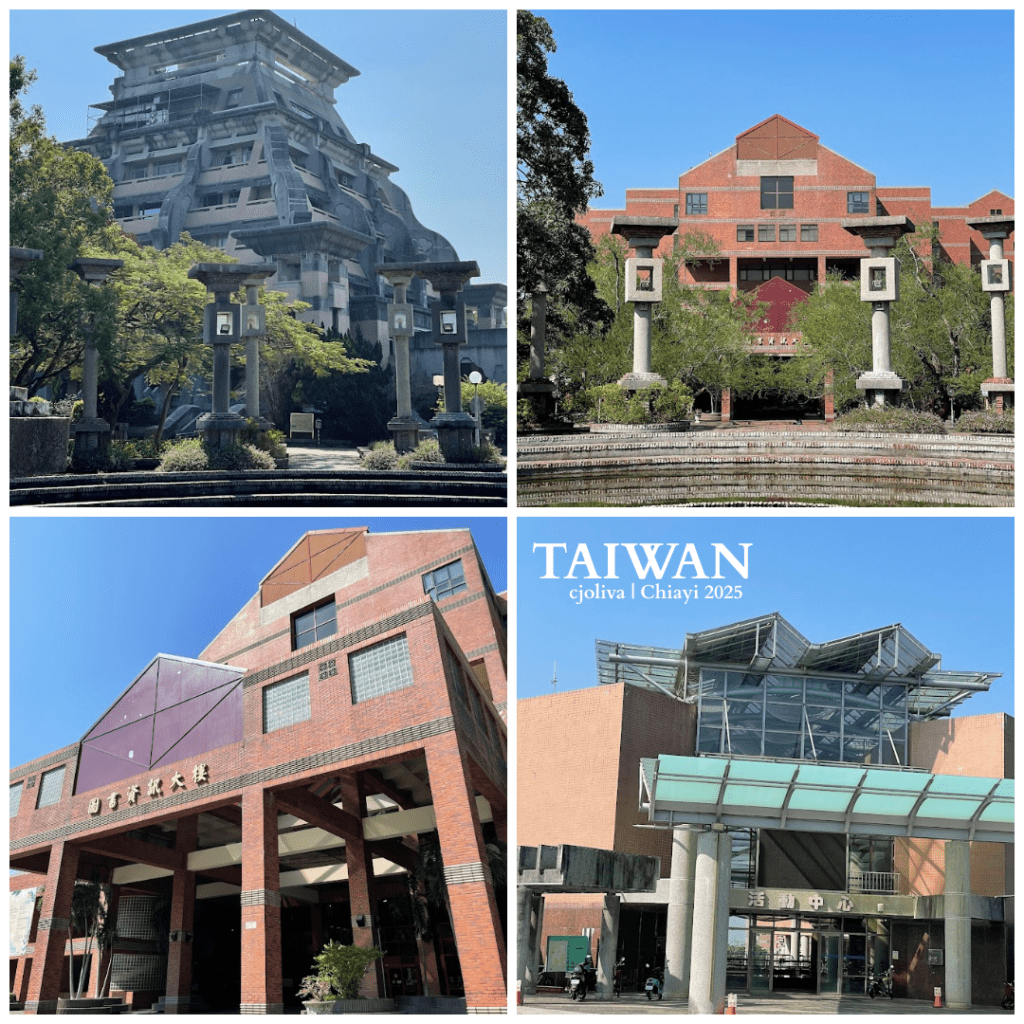
Then I noticed a group of people in the distance. They were all Filipinos. Of course! Who else would be here retracing Meteor Garden scenes? Aside from the students, we were the only foreigners wandering around the campus, clearly on the same nostalgic mission.
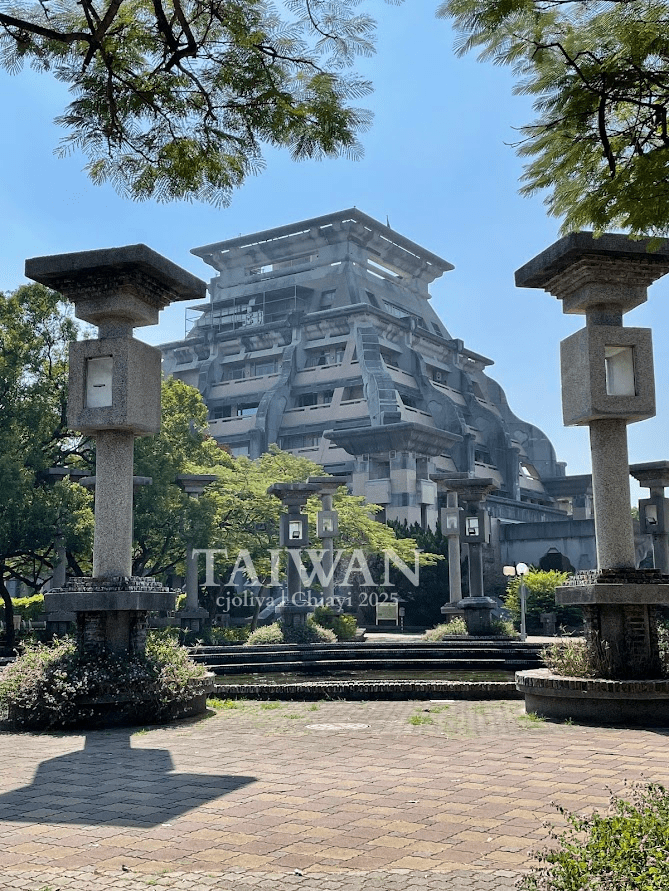
💖 Fangirl Note:
The moment you spot other travelers wandering around CCU with nostalgic smiles and phone cameras prepped at the fountain, no words are needed. Meteor Garden truly defined early 2000s pop culture across Southeast Asia. Finding fellow fans on the exact same pilgrimage thousands of miles from home made the moment even sweeter!
Walking Through F4 Nostalgic Memories
For those who might be curious: Meteor Garden is a 2001 Taiwanese series starring the late Barbie Hsu and F4: Jerry Yan, Vic Chou, Ken Chu, and Vanness Wu.
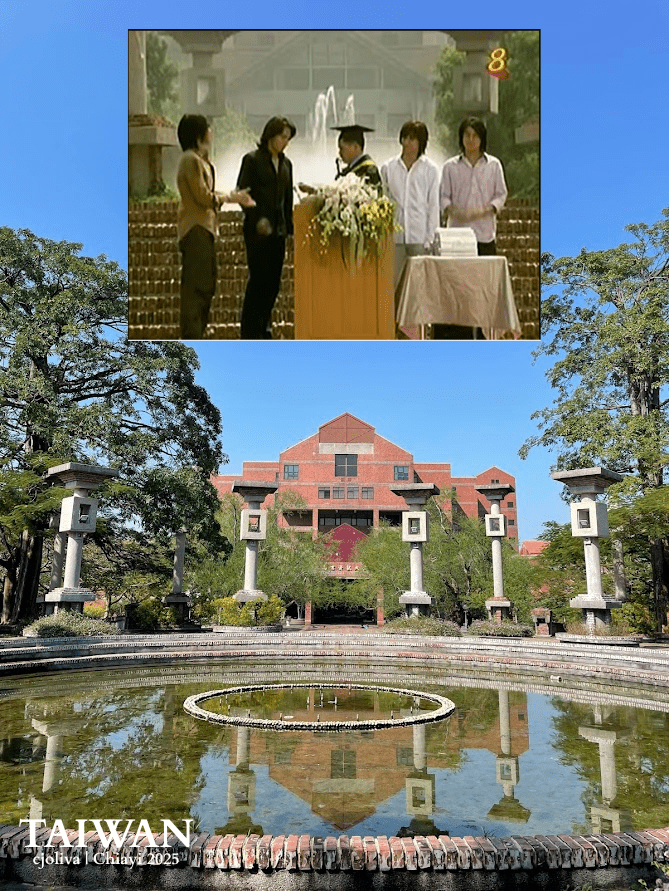
Inserted photo credits to the owner.
Suddenly, I remembered my high school self: rushing home just to catch the newest episode, torn between Dao Ming Si’s stubborn charm and Hua Ze Lei’s quiet gentleness.
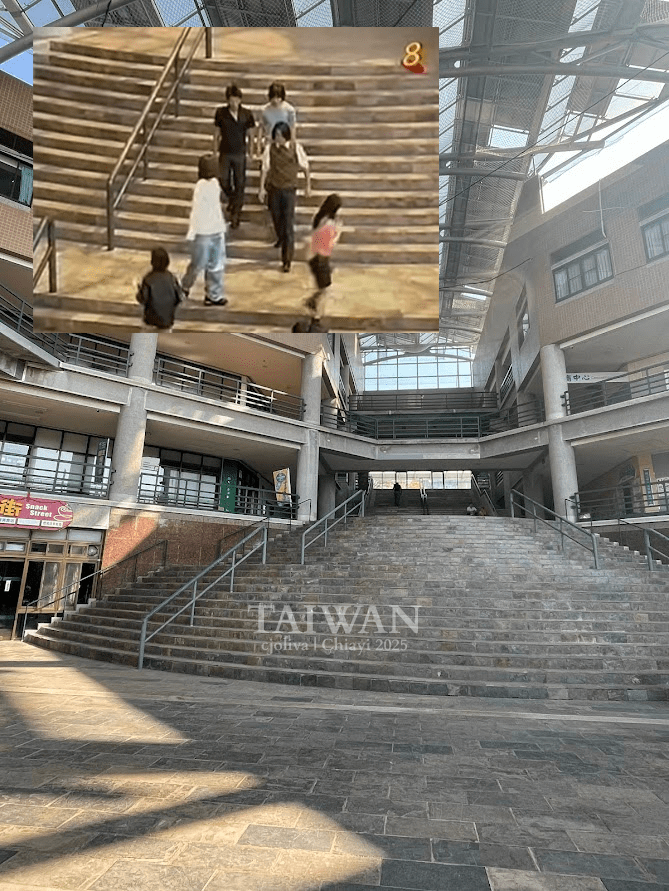
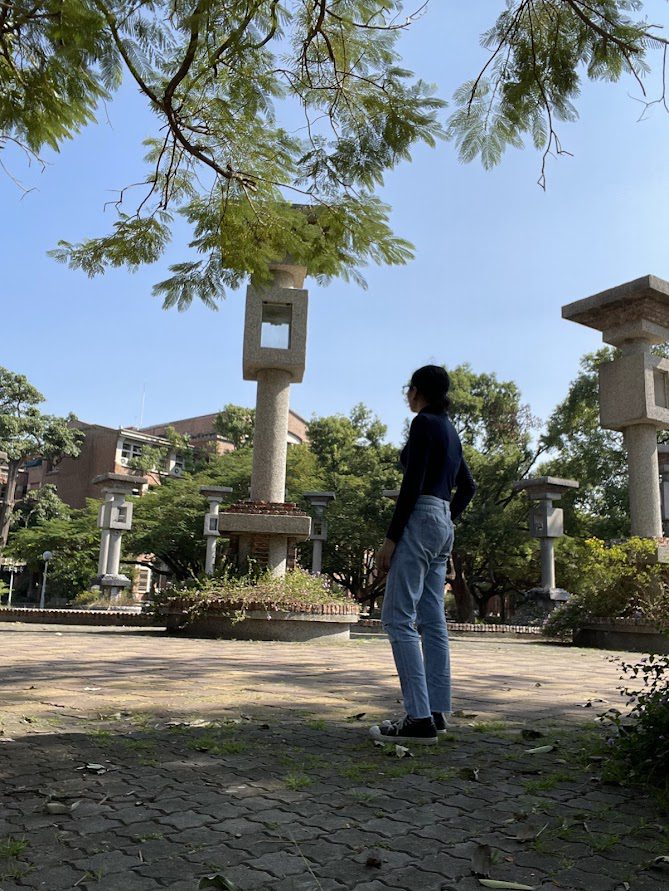
It was pure nostalgia. I couldn’t visit every single filming spot, but seeing these familiar scenes in real life felt surreal. The campus itself exudes a classic charm: wide walkways, old buildings, and a peaceful vibe that makes it clear why it was chosen as the iconic Ying De University in Meteor Garden.
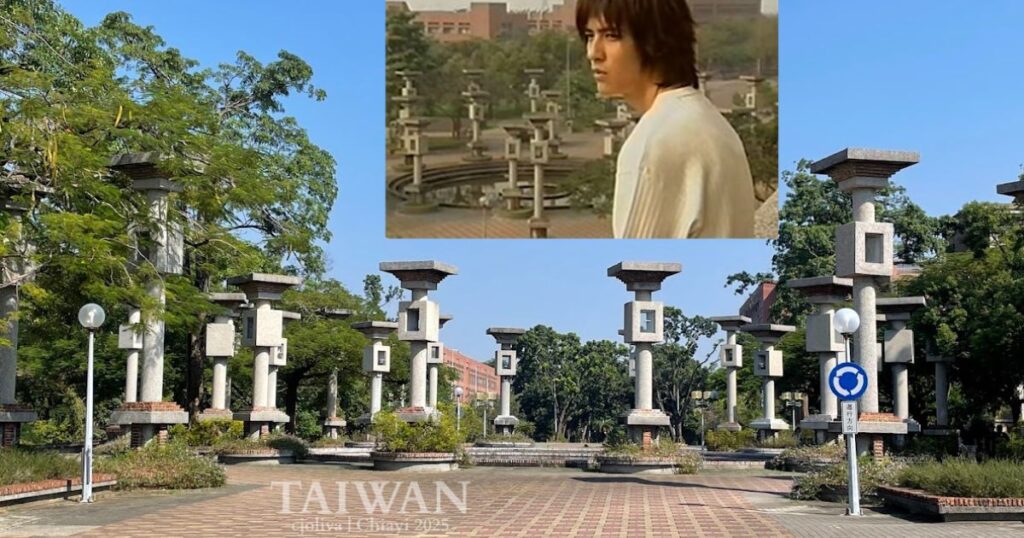
Inserted photo credits to the owner.
And then… Locker 150 🥹. One of the most iconic locations in Meteor Garden history.
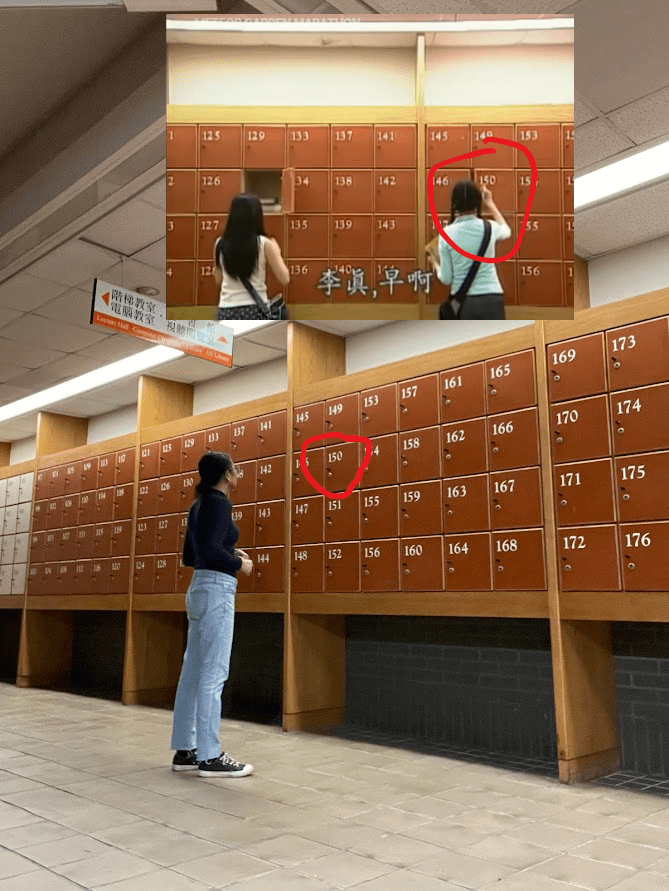
Inserted photo credits to the owner.
Inside the almost-empty basement library, I found it. The hallway and the exact locker used in the show. I paused for a moment, letting the scene replay in my memory. The emotional payoff was real.
💡 Fangirl & Etiquette Tip:
Locker 150 (located in the basement library) and the main fountain plaza are absolute must-sees for Meteor Garden fans. If you venture into the basement library, remember to snap photos quietly. This is a working university library, and students are actively studying!
I also visited the fountain area outside the library and the small bridge where Shan Cai and her friend once sat. Each corner carried echoes of the drama that shaped a generation.

There was something oddly freeing about not sticking too tightly to the original plan, especially in a place where even small detours seemed to open up new perspectives.
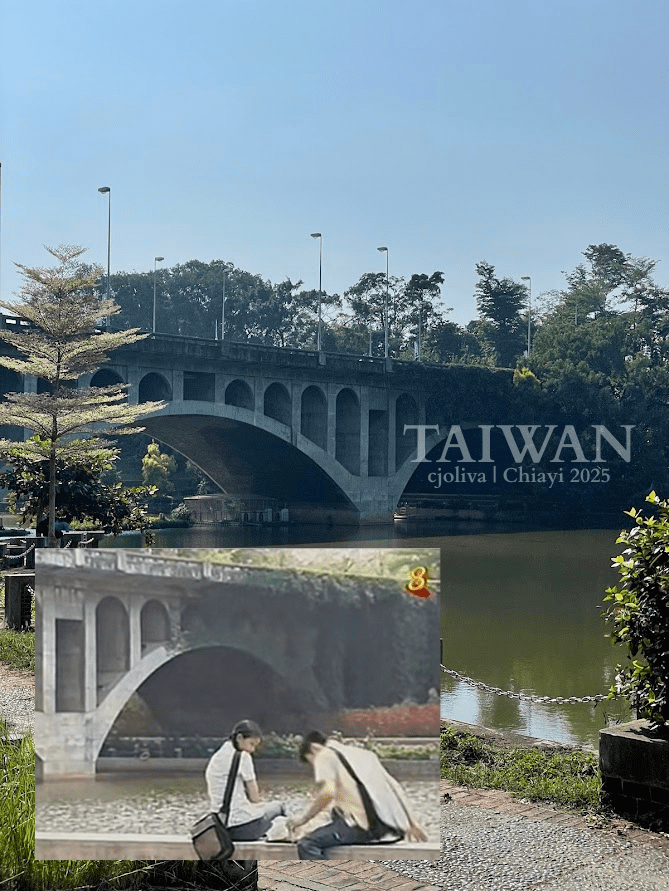
Inserted photo credits to the owner.
Instead of treating it as a setback, I let the change guide the rest of my afternoon, trusting that I would still end up where I needed to be.
Wrapping Up My Meteor Garden Pilgrimage
After spending a few unforgettable hours wandering CCU, I waited at the campus bus stop. Looking at the timetable, waiting for a transfer at Minxiong Station felt unnecessary when a direct bus back to Chiayi TRA was already on its way. So, last minute, I decided to head straight back to the city instead. The route change didn’t bother me at all; in fact, it felt like a natural end to the adventure.
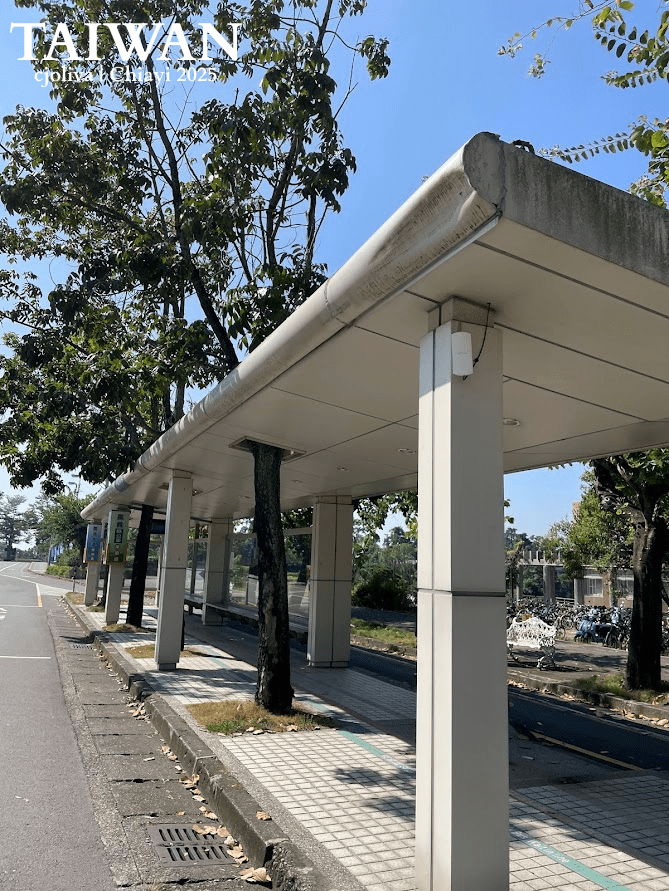
As I waited for the bus, I found myself watching the campus slowly settle into its usual rhythm again: students walking in groups, bikes passing by, life continuing as if nothing extraordinary had just happened. And yet, for me, it felt like I had just stepped briefly into a scene I had been curious about for years before gently stepping back out into the present again.
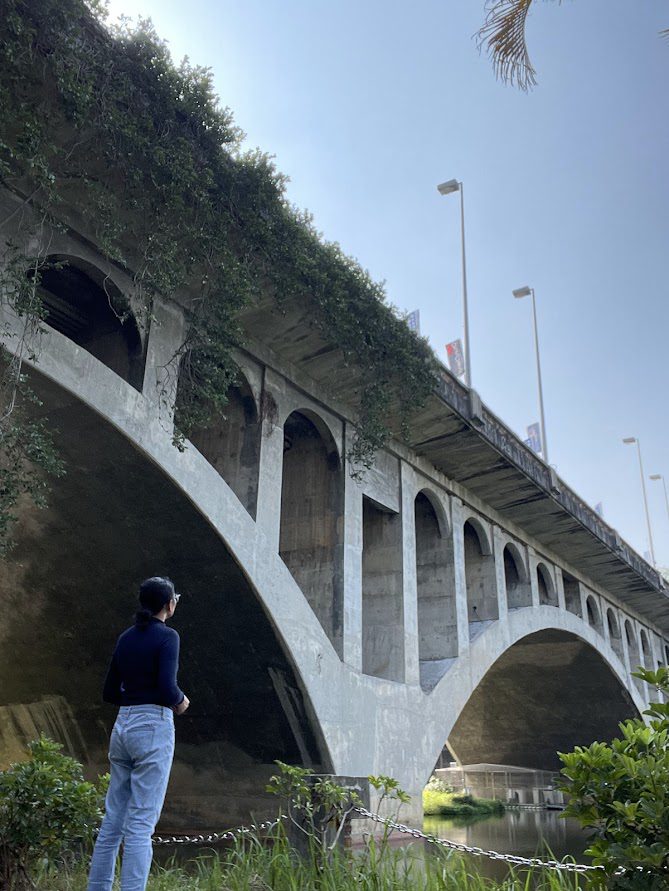
As the bus rolled along the familiar roads, I reflected on the day. I felt a wave of relief, excitement, and quiet satisfaction that I had finally set foot on the campus that had lived in my memory for decades. Maybe only 90s kids will truly understand this, but seeing the real filming location of Meteor Garden felt like a personal victory—a small dream checked off my travel bucket list.
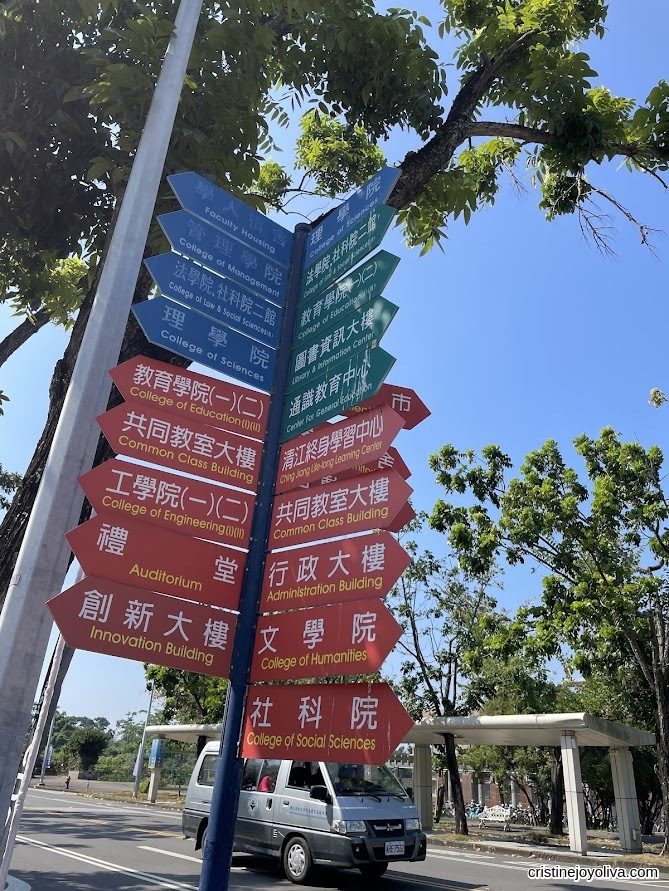
Even in just a few hours, the campus had left an imprint: the hallways, the lockers, the fountain, and the bridge are all carrying echoes of the drama that shaped a generation. I realized how travel has a way of reconnecting you with versions of yourself you almost forget, like the younger self who first watched Meteor Garden with wide eyes, never thinking that one day those scenes would become places you could actually stand in.
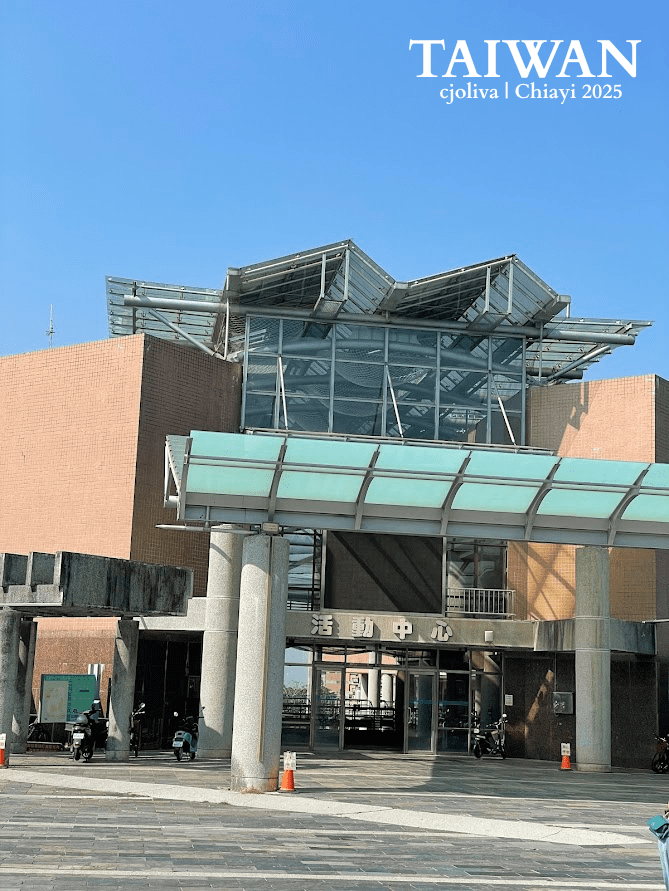
I took the bus back toward Chiayi TRA Station, sitting as the sole passenger in the quiet afternoon light. With my Meteor Garden pilgrimage officially complete, my mind started wandering, trying to figure out what to do with the rest of my day.
As the bus neared the city center, a familiar view through the window immediately caught my eye—the distinctive, warm cypress architecture of Hinoki Village.
I remembered spotting these historic Japanese dormitories earlier when I rode the Alishan Forest Railway down to Beimen Station. Back then, watching the wooden village glide past my train window, I made a mental note to check it out if I ever had the time. Seeing it pop up right along my bus route felt like the universe handing me my next move. Without hesitation, I grabbed my bag, stepped off the bus, and let another spontaneous turn guide the rest of my Day 3 adventure.
Next Destination: Chiayi, Taiwan | Day 3: My Serendipitous Stop in Hinoki Village—a spontaneous bus stop that led me to one of Chiayi’s most charming Japanese historical quarters.
This entry belongs to my Taiwan, Two, Three… (2025 Series). Some journeys don’t just take you forward—they bring you back to yourself. Here’s to Chiayi mornings, a Meteor Garden pilgrimage, and the quiet strength of traveling solo. ✨🇹🇼
📅 Travel Dates: November 14–18, 2025