“Sometimes the shortest journeys are the ones that bring us back to ourselves.”
After a stressful and draining week, I realized I didn’t need a grand adventure. I needed a change of scenery. A place where I could walk without a deadline, pray without asking for certainty, and remind myself that life exists beyond anxiety, mental exhaustion, worries, and overthinking.
So, with a backpack and an open itinerary, I found myself on a Cebu City solo travel adventure. What began as a quiet escape unexpectedly turned into a heritage walk through some of Cebu City’s oldest landmarks. The flight from Iloilo to Cebu was over before I even realized it. It only took about 30 minutes.
📍 Cebu City Solo Travel Itinerary at a Glance (4 Days)
Day 1—Arrival Flight from Iloilo to Cebu → MyBus to SM City Cebu → Grab to Yellow Umbrella Hostel (Bayview Hotel) → Dinner near hostel
Day 2—Heritage Walk: Osmeña Boulevard → Basilica Minore del Santo Niño → Magellan’s Cross → Cebu Metropolitan Cathedral → Fort San Pedro → Heritage of Cebu Monument → San Juan Bautista Chapel → Pari-an Fire Station → Yap-Sandiego Ancestral House → Dinner at Pungko-Pungko sa Fuente
Day 3—City Tour, Pilgrimage, and Café Chill-Out: Breakfast at Red’s Café → Starbucks Robinson’s Cybergate → Cloud Nine Creamery—Dessert Café → Our Lady of the Sacred Heart Parish → St. Joseph the Patriarch Parish → SM City Cebu
Day 4—Reflection & Departure: Cebu Redemptorist Church → SM Seaside Cebu → ramen and milk tea → flight to next destination
Best for: solo travelers, heritage lovers, and anyone who wants a reflective (not rushed) city trip. This trip wasn’t planned around food or shopping—just the basilica, some quiet churches, and space to think. Everything else happened along the way.
How to Get from Iloilo to Cebu City (Flight + MyBus Guide)
Traveling from Iloilo to Cebu City is straightforward. Here is what I did:
- ✈️ Fly from Iloilo to Cebu. I took a direct flight from Iloilo International Airport to Mactan-Cebu International Airport. My flight took around 30 minutes.
- 🛬 Exit Mactan-Cebu International Airport. Since I was traveling with just a backpack, I went directly toward the exit and followed the signs to the airport’s transportation area.
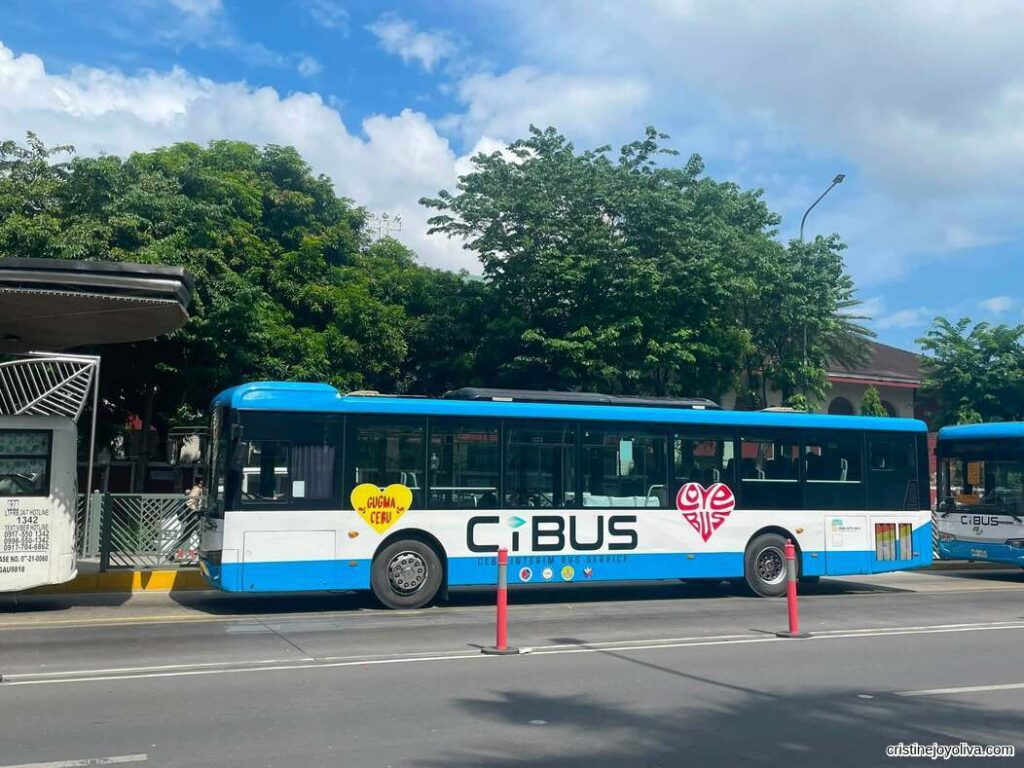
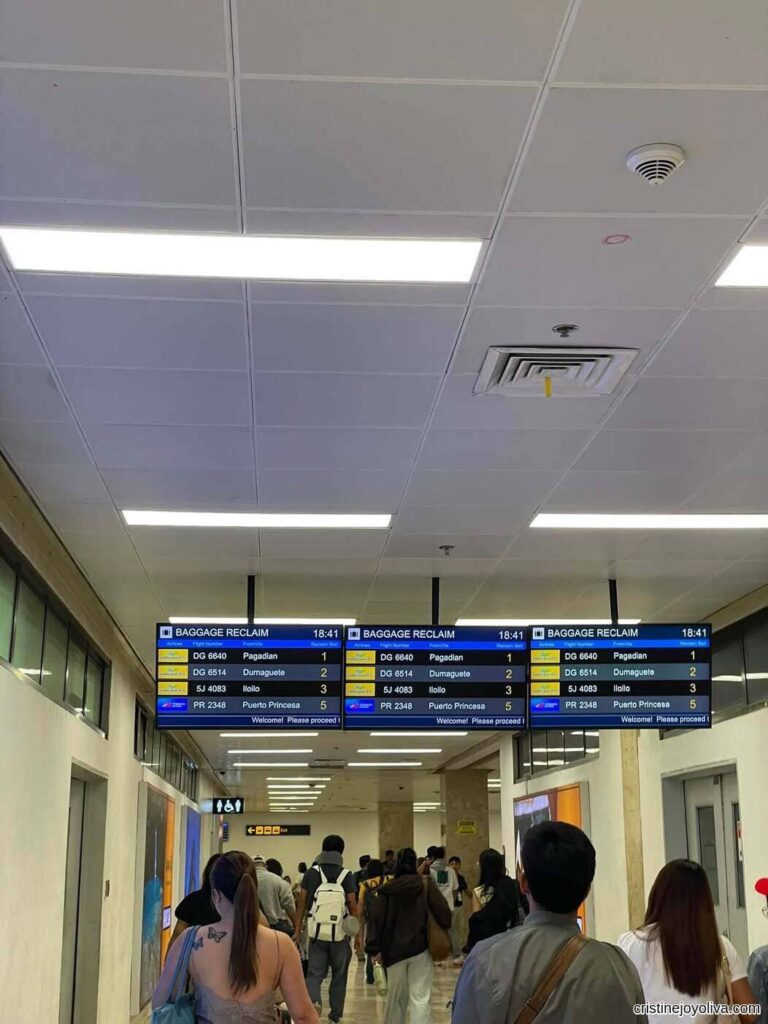
- 🚌 Take MyBus to SM City Cebu. From the airport, I took the MyBus bound for SM City Cebu. The ride took around 30 minutes because of traffic. The fare was ₱50.00. That first bus ride already felt like the start of real Cebu City solo travel.
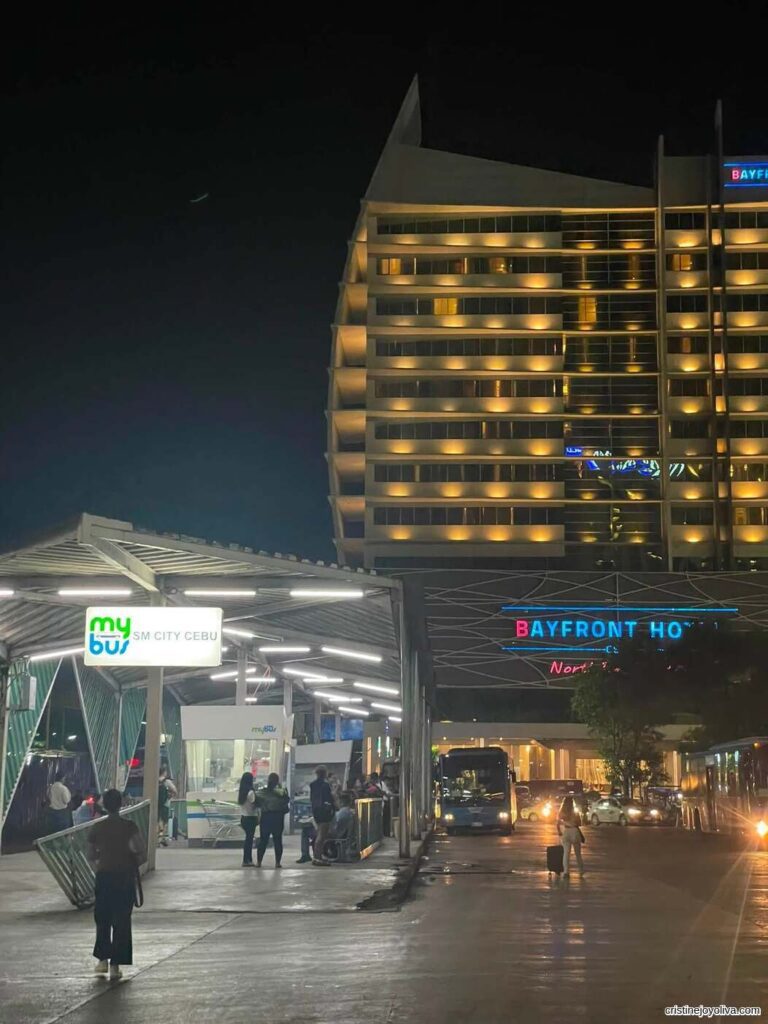
- 📍 Continue from SM City Cebu. We were dropped off at the SM City Cebu MyBus Terminal. SM City Cebu is a convenient starting point for getting around Cebu City, with taxis, jeepneys, and other transportation options available. From the terminal, I walked in front of Bayfront Hotel and waited for my Grab ride to my accommodation.
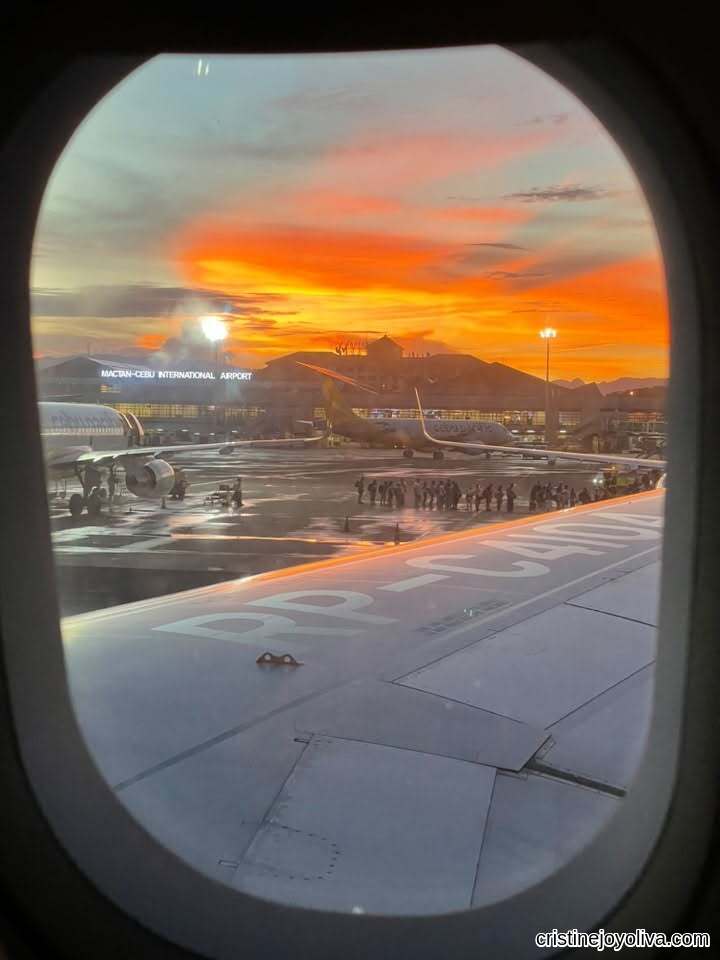
It’s been a while, Cebu. As we waited to deplane, I looked out the window and caught the sunset painting the sky in beautiful shades of orange and yellow. I couldn’t help but smile. After 17 years, here I was again in the Queen City of the South.
The bus was filled mostly with locals, and I found myself listening to Cebuano conversations all around me. I didn’t understand every word, but there was something comforting about hearing the language again. It made the city feel alive, familiar in its own way, and full of stories waiting to be discovered. At that moment, I knew this wasn’t just another weekend trip. It was the fresh start I had been longing for.
A few Cebuano words worth knowing:
- Maayong buntag—Good morning
- Salamat—Thank you
- Pila ni? — How much is this?
- Palihug—Please
Checking In and My First Night in Cebu City
I reached SM City Cebu safely, and from there, I took a Grab to my accommodation. Lovely, one of the hostel staff members, warmly greeted me when I arrived. After checking in and settling my things, I decided to step outside for a bit and explore the area.
I ended up having a late dinner at 7-Eleven—nothing fancy, just a cup of Lucky Me! Spicy bulalo noodles and a chicken teriyaki onigiri, a simple meal after a long day of traveling. It wasn’t a kind of meal you’d find in a Cebu food guide, but after a long travel day, it was exactly what I needed. Sometimes, comfort comes in the simplest form.
Eventually, I decided it was time to call it a night. I wanted to stay out longer and explore more, but my headache was getting worse, so I listened to my body and rested. Before falling asleep, I found myself feeling grateful. The day may have seemed ordinary to some. I simply took a short flight, rode a bus, checked into a hostel, and ate a quick dinner. But for me, it was a small victory.
I met warm Cebuano locals, experienced the city’s humid yet welcoming weather, witnessed my first sunset in Cebu, and arrived safely at my destination. After a stressful week filled with worries and exhaustion, this simple moment reminded me why I travel. Travel has a way of changing my perspective.
Sometimes, the biggest milestones aren’t always the grand adventures. Sometimes, they are the quiet moments when you realize, “I made it.” I am here. And yes, it was a win.
Cebu City Heritage Walk: Self-Guided Itinerary
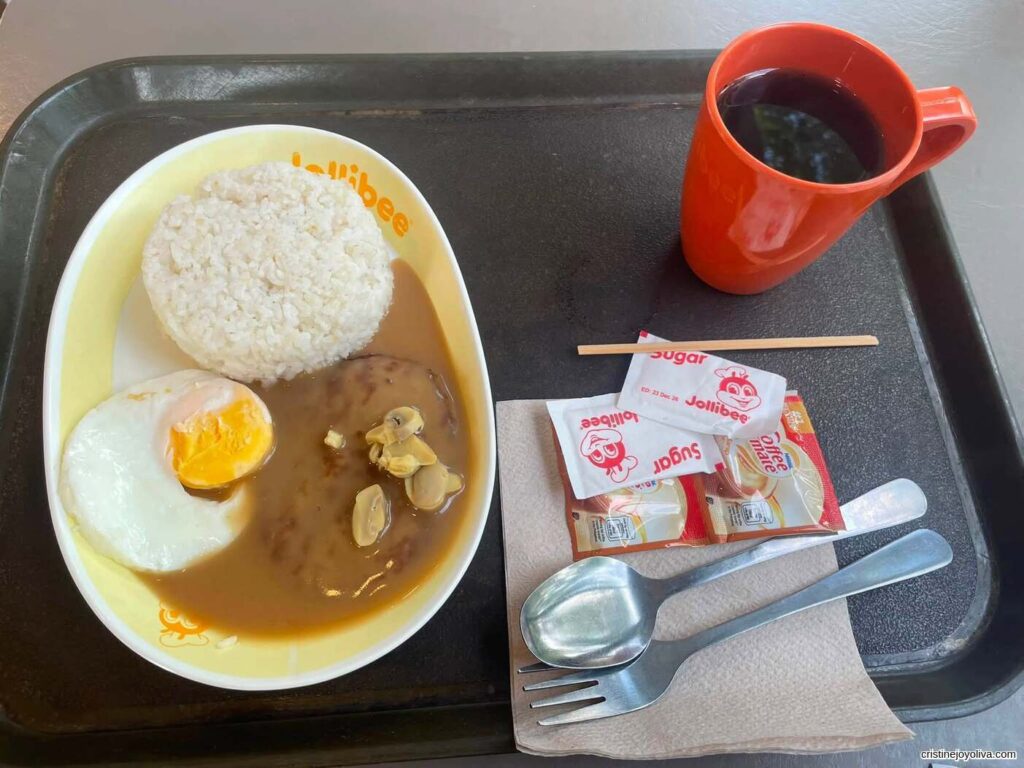
The next morning, I started my day with a familiar Filipino breakfast at Jollibee: a burger steak, fried egg, and a cup of brewed coffee. It was simple, comforting, and exactly what I needed before a long day of walking around Cebu. With a full stomach and a cup of coffee to wake me up, I was ready to explore the city on foot. I was excited to try some local Cebuano delicacies, especially the street food I had been hearing about. But I also had to be a little careful.
Knowing my stomach, I wasn’t sure how it would react to deep-fried food first thing in the morning. So, I decided to save it for later. Maybe by dinner? Let’s see. The city greeted me with an intensity I hadn’t expected. Cebu was already wide awake.
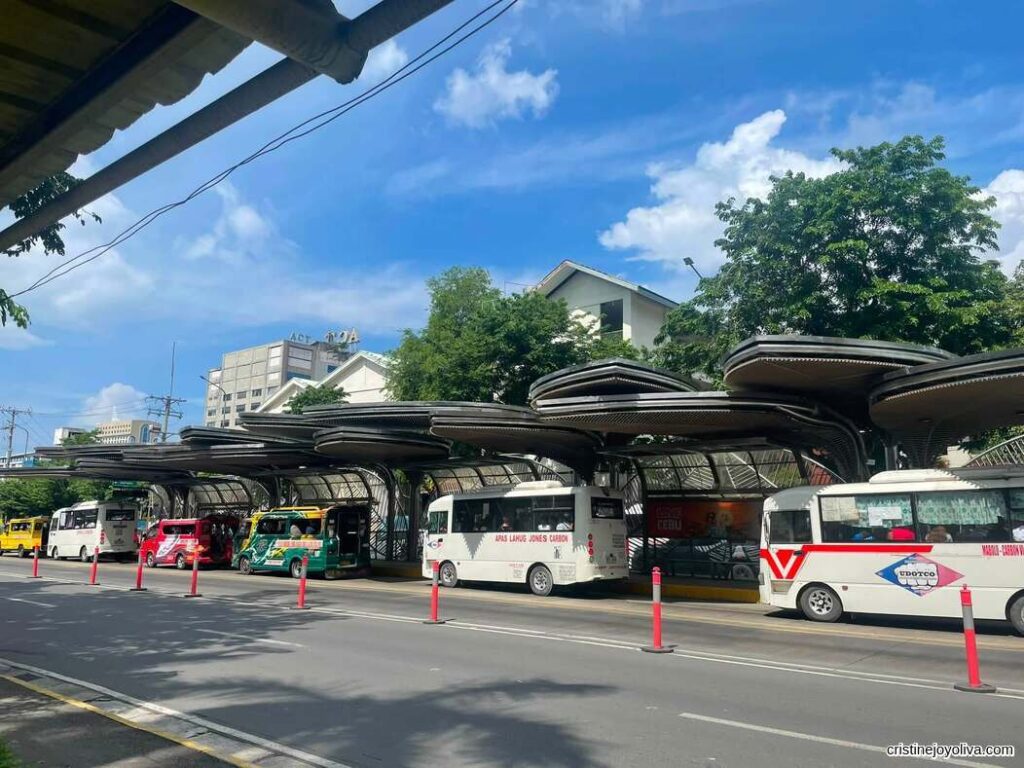
The streets were filled with colorful jeepneys weaving through traffic, vendors setting up along sidewalks, and the endless movement of people going about their day. It was busy, noisy, and a little overwhelming—but that was also what made it feel alive. This was Cebu in its most authentic rhythm.
I started my walking tour along the long stretch of Osmeña Boulevard. From the COMELEC Cebu Provincial Office, I walked towards Downtown Cebu, where the centerpiece is the Basilica Minore del Santo Niño. Within walking distance are the other tourist spots (mostly historical) like Magellan’s Cross, Fort San Pedro, Cebu Metropolitan Cathedral, Heritage of Cebu Monument, Carbon Market, and Colon Street, the oldest street in the Philippines.
The downtown district is dense and heavily populated, as I observed. There are major transport hubs with constant, colorful jeepney, bus, motorcycle, and pedestrian traffic. The place is home to public markets, government offices, churches, and historic landmarks, so thousands of people pass through it every day.
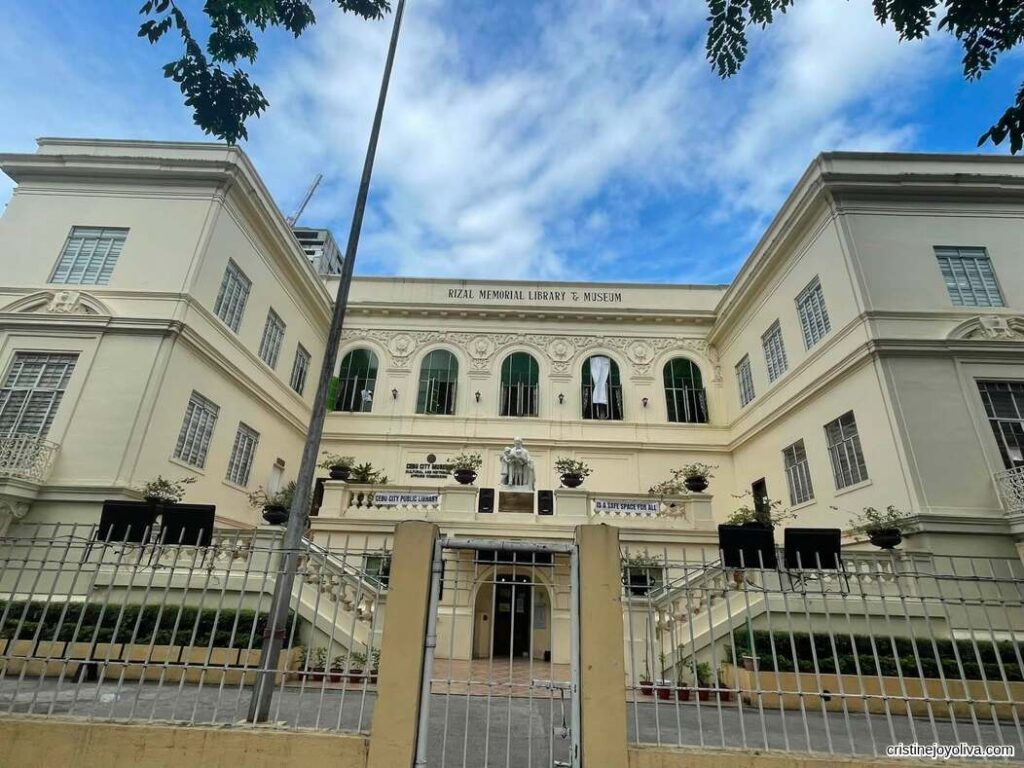
As a result, it can feel noisy, congested, and, in some areas, less polished than the newer parts of the city. At the same time, that’s also what gives downtown its character. It’s where people shop, pray, commute, work, and carry on their daily lives. It’s the historic core of Cebu, not a tourist district designed to look pristine. It reminded me of Quiapo—not because the places are the same, but because both are vibrant urban centers where history and everyday life intersect.
Basilica Minore del Santo Niño: What to Know Before You Visit
I went inside the Basilica Minore del Santo Niño de Cebu and offered a silent prayer. It’s been a while since I last entered this church. One of the reasons I chose to visit Cebu was to return here, to seek guidance, and to quietly lay down some of the worries I had been carrying.
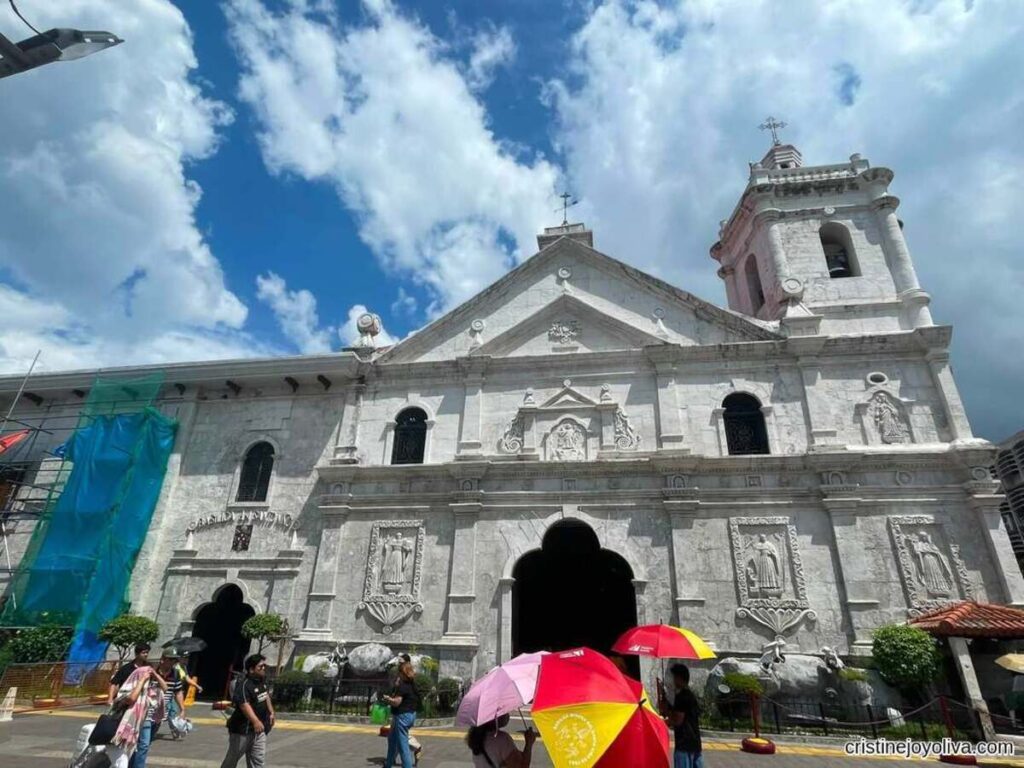
Stepping inside the Basilica, I found myself looking beyond its stone walls and ornate ceilings. I wondered how this centuries-old church had survived earthquakes, fires, storms, and wars. More than its architecture, it was its resilience that left the deepest impression on me.
⛪ What to Know Before Visiting
- Dress appropriately for a place of worship.
- Be mindful of ongoing Masses and prayers.
- Keep your voice low inside the Basilica.
- Check the current schedule if you want to attend Mass.
- Allow time to explore the surrounding heritage area.
Cebu Metropolitan Cathedral: A Historic Landmark in Cebu City
My next stop was the Cebu Metropolitan Cathedral. While many visitors admired its grand façade, my eyes were drawn to its century-old bell tower. I found myself wondering about the stories it held. Unlike the Basilica, there wasn’t a huge crowd here. Only a few people were inside the church. I entered and offered another prayer.
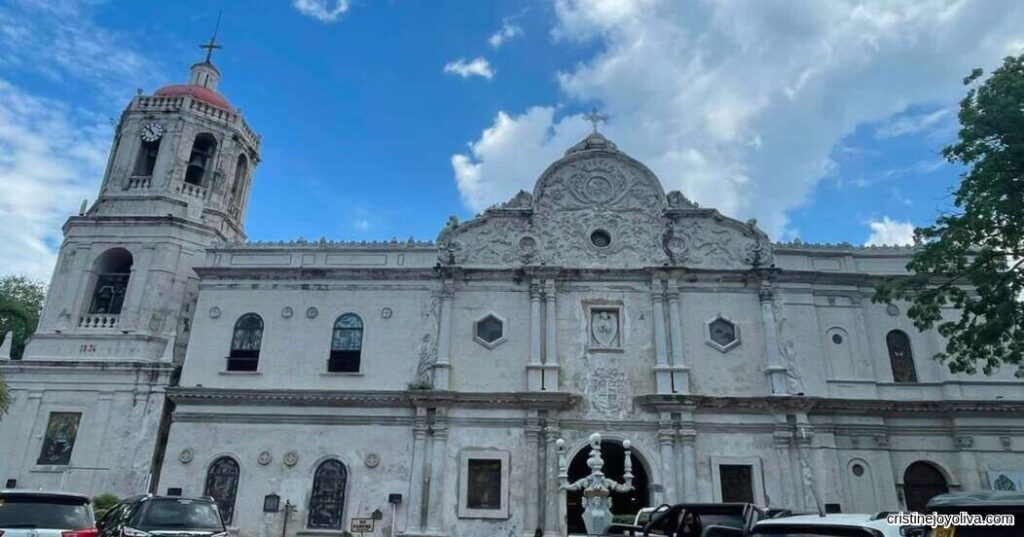
The Cebu Metropolitan Cathedral traces its history to the 16th century and has undergone several reconstructions over the centuries due to earthquakes, fires, and other events. Today, it remains the ecclesiastical seat of the Archdiocese of Cebu and an important landmark in Cebu City’s historic district.
🏛️ FYI: Another Heritage Stop
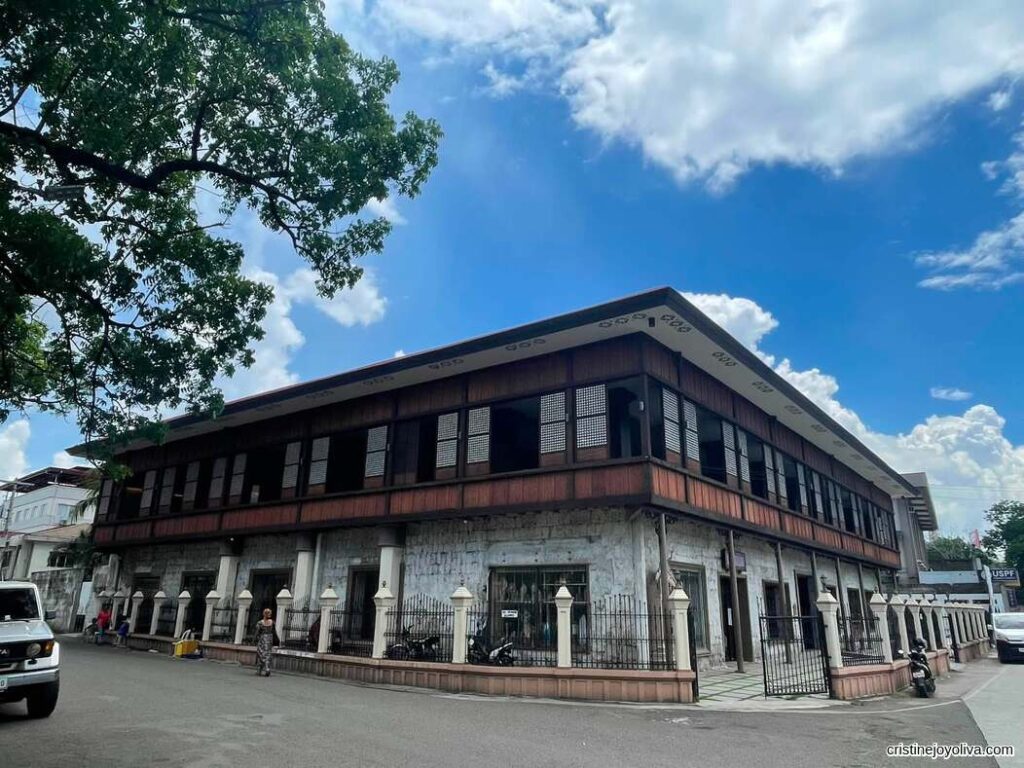
The Archdiocesan Museum of Cebu is another heritage stop near the Cebu Metropolitan Cathedral. The museum houses religious artifacts, paintings, icons, documents, and other objects connected to Cebu’s Catholic heritage. If you have an interest in history, religious art, or old architecture, you might want to add it to your itinerary.
Magellan’s Cross: Cebu’s Historic Landmark
After leaving the Cebu Metropolitan Cathedral, I made my way toward Magellan’s Cross, one of Cebu City’s most recognizable landmarks. Magellan’s Cross stands inside a small chapel near the Basilica Minore del Santo Niño. The site is associated with the arrival of Christianity in Cebu in 1521 and remains one of the city’s most visited historical and religious landmarks.
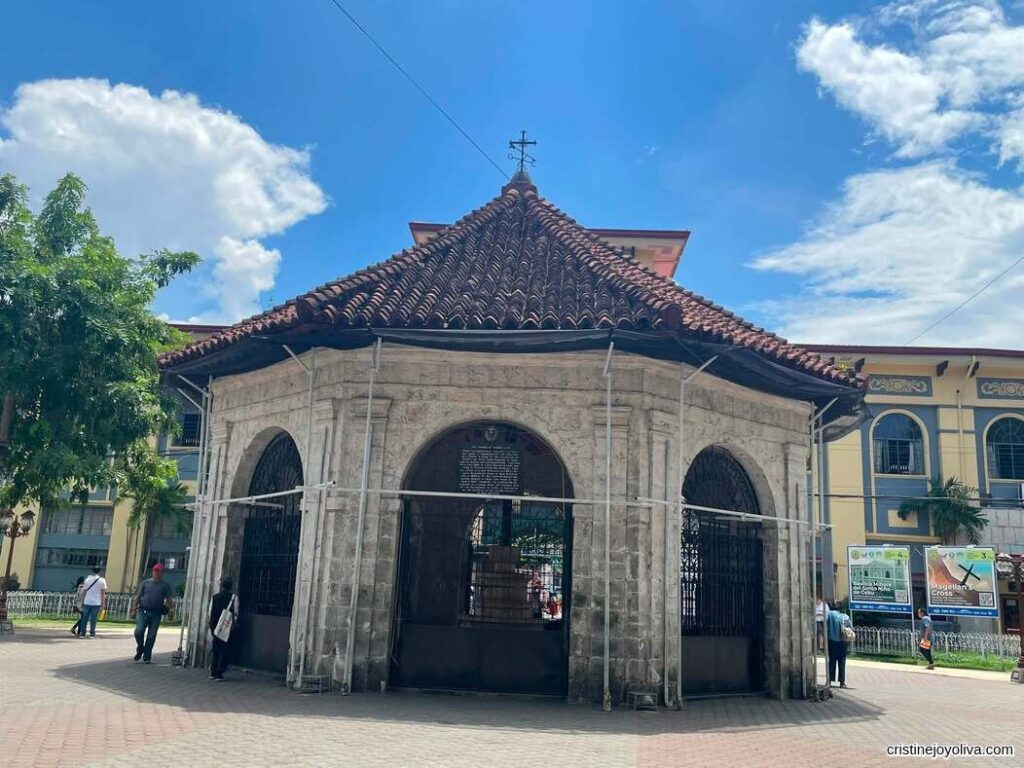
I had seen photos of it countless times, but standing there in person felt different. The painted ceiling, the wooden cross enclosed beneath the small pavilion, and the steady stream of visitors made me pause for a moment.
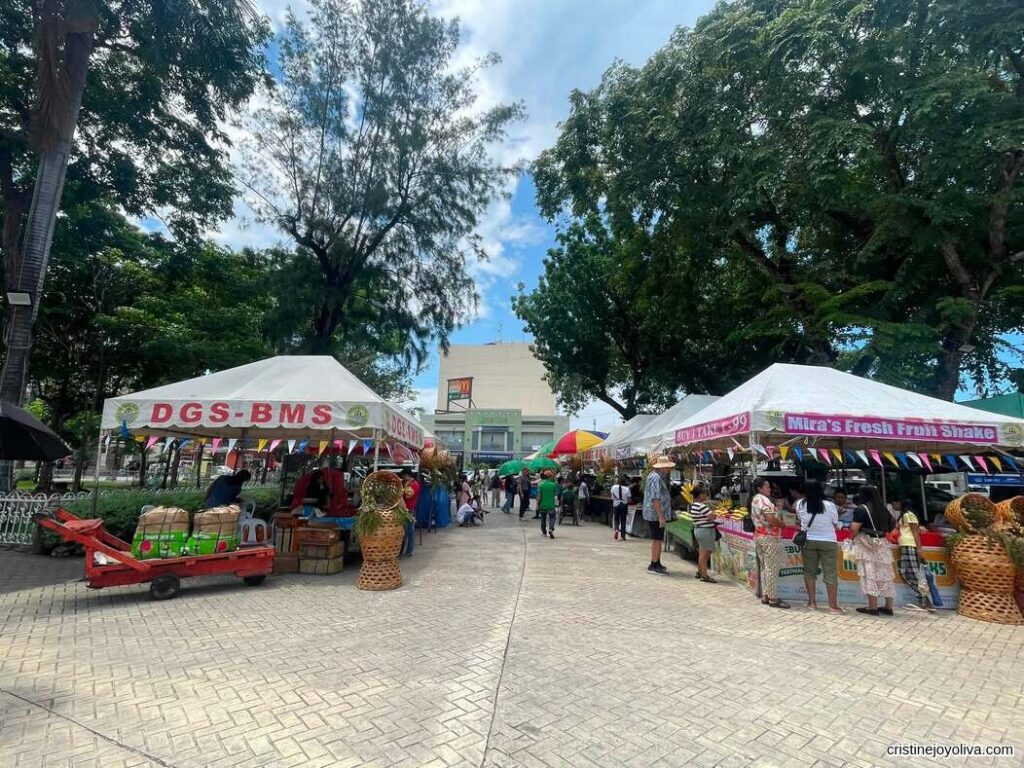
In true solo traveler fashion, I confidently walked from the Basilica to the Cebu Metropolitan Cathedral before making my way back to Magellan’s Cross, only to realize that the cross had been right beside the Basilica all along. I couldn’t help but laugh at myself. Sometimes, getting lost isn’t about taking the wrong road. It’s about discovering places twice.
Fort San Pedro, Cebu: History, Tips & What to Expect
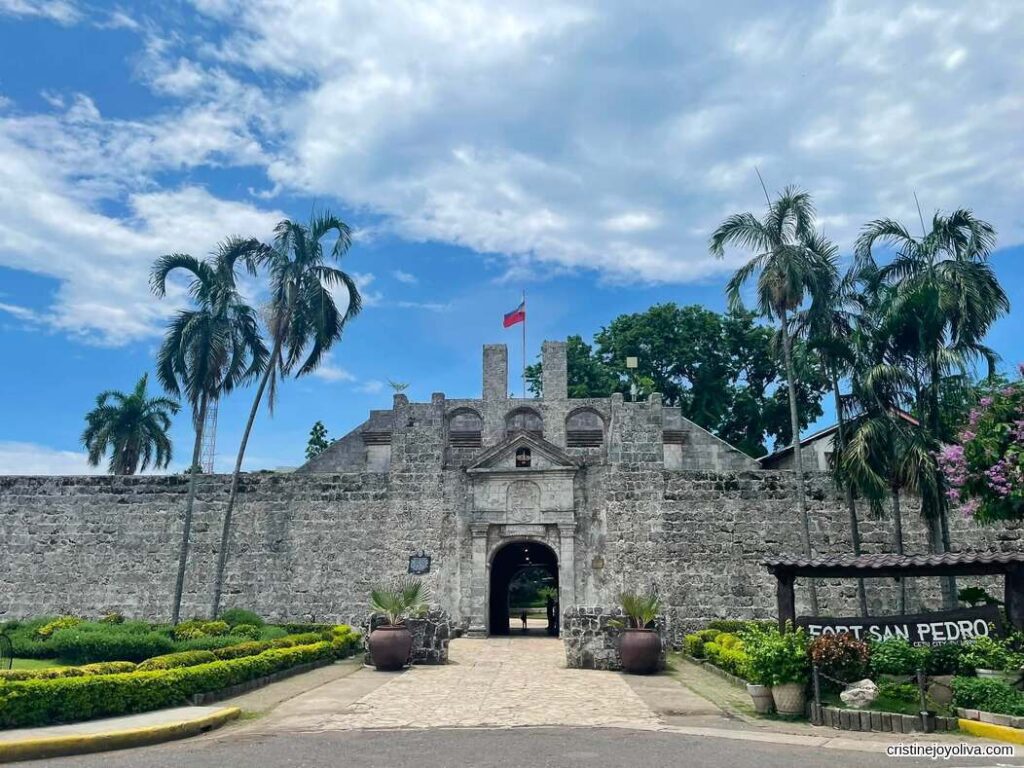
Leaving Magellan’s Cross, I continued my heritage walk toward Fort San Pedro. This is one of those places where the thick walls, quiet courtyard, old cannons, and sense of stepping away from the modern city almost invite you to imagine the past. It’s part of the heritage cluster around Plaza Independencia, within walking distance of other major historic sites in central Cebu City.
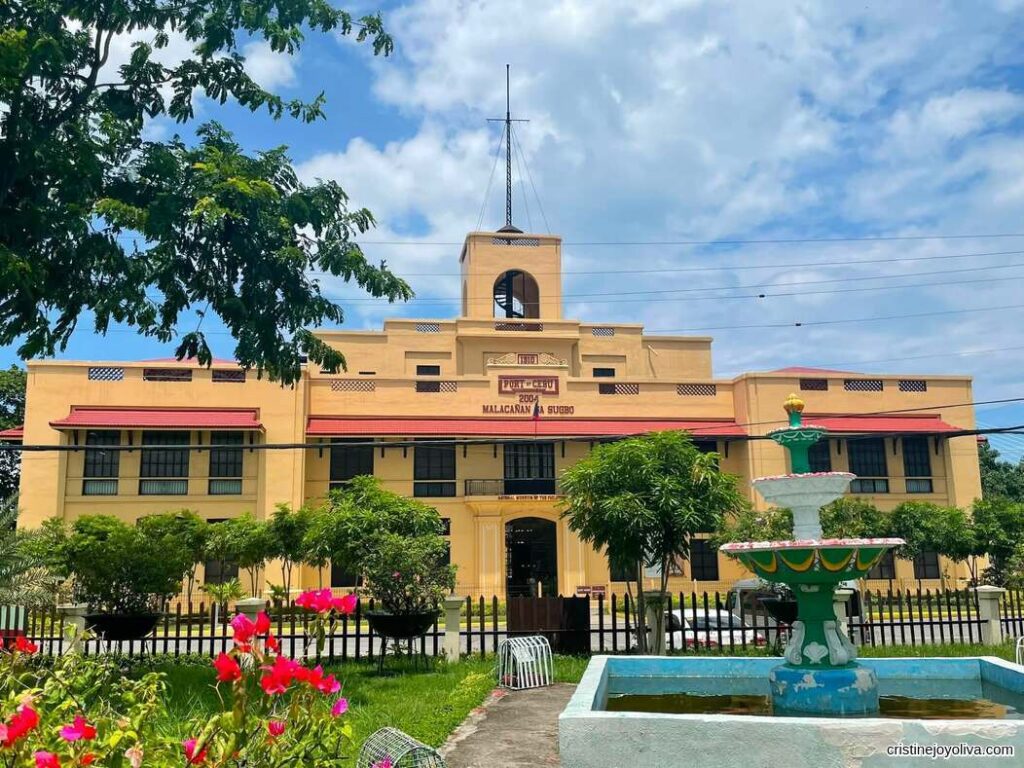
As I continued my walk around the area, a striking yellow building caught my eye. I later learned that it was the National Museum of the Philippines–Cebu, housed in the historic Aduana Building. Since I was already on a heritage walk, I made a mental note to visit it on another trip.
🏰 A Little History
Built during the Spanish colonial period, Fort San Pedro served as a military defense structure. Over the centuries, it witnessed Cebu’s changing chapters, from Spanish rule through different periods of Philippine history.
I decided to go back to the Magellan’s Cross area when I noticed thick, dark clouds signaling that the rain was coming. Just when I thought the scorching Cebu sun had won the day, dark clouds rolled in without warning. I took shelter near Magellan’s Cross, waiting patiently for the rain to pass. Believing it was over, I resumed my walk.
☔ Solo Traveler Tip
Cebu’s weather can change quickly, especially when you’re spending several hours walking around the city’s heritage sites. If you’re doing a heritage walk, it wouldn’t hurt to keep a small umbrella or rain jacket in your bag.
Heritage of Cebu Monument: Cebu’s History in One Place
The Cebu heat and a sudden heavy downpour were unforgiving, but I kept going, continuing my Cebu City solo travel journey along the streets connecting some of the city’s oldest landmarks. When I finally approached the place, the noise of downtown Cebu slowly faded. The place seemed to hold stories of another era, a quiet reminder that this city has stood through countless changes.
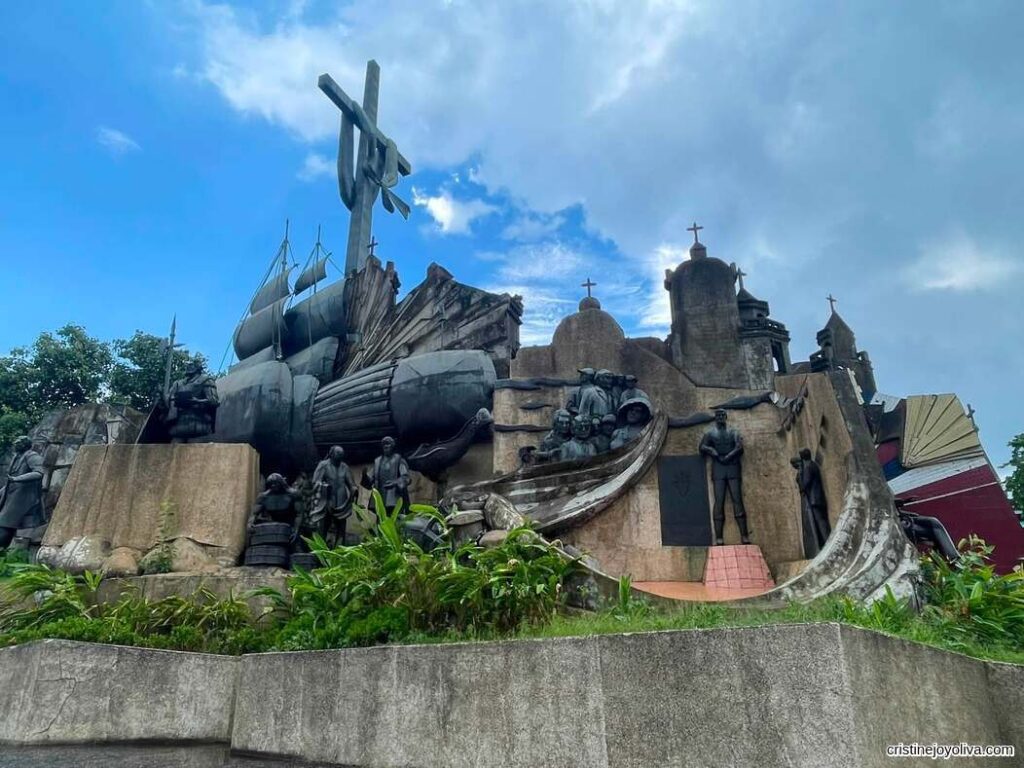
Instead of checking my map every few minutes, I decided to trust my instincts and walk. I wasn’t entirely sure if I was heading in the right direction, but I kept going. After a few wrong turns, a brief encounter with Cebu’s unpredictable weather, and more walking under the tropical sun, I finally found myself standing before the Heritage of Cebu Monument. Sometimes, getting there is the story.
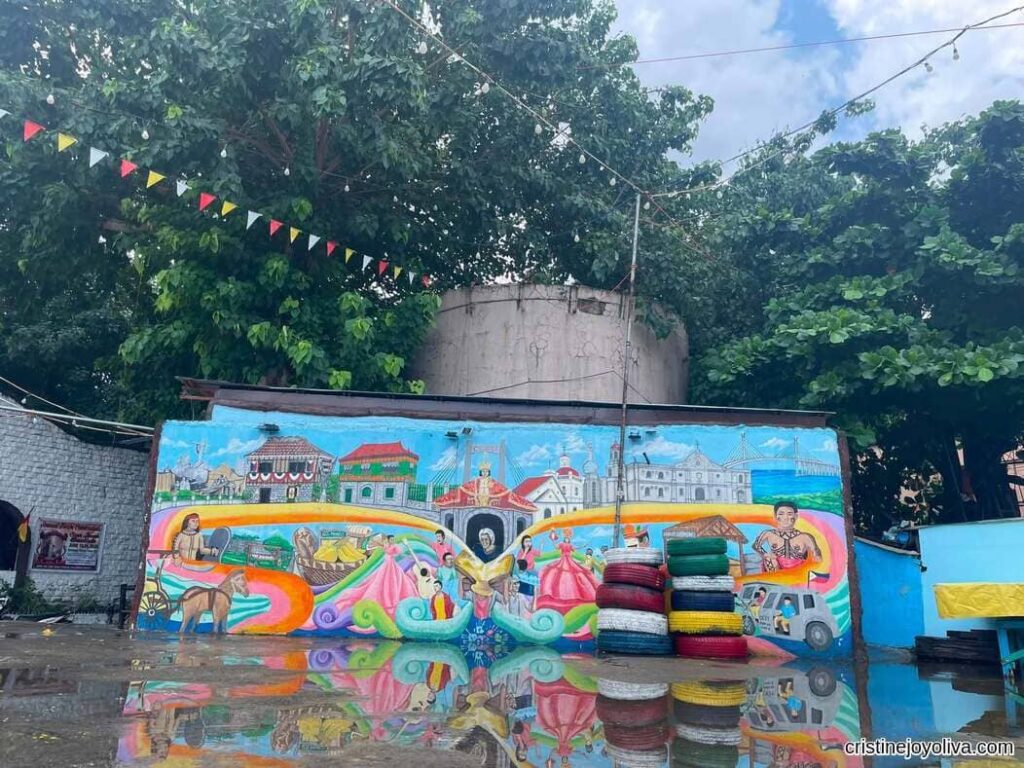
The Heritage of Cebu Monument is a massive tableau depicting important scenes and figures from Cebu’s history, including the arrival of Christianity, the Battle of Mactan, and the annual Sinulog celebration. Standing in front of it, I found myself looking at the details one by one. Unlike a traditional museum where history is presented behind glass, here the stories were literally standing in the middle of the street, allowing me to walk around them and take them in from different angles.
📍 Good to Know
The Heritage of Cebu Monument is located in the historic Pari-an district, making it easy to combine with other nearby heritage sites such as the Yap-Sandiego Ancestral House and San Juan Bautista Chapel.
Yap-Sandiego Ancestral House & Cebu’s Hidden Heritage Sites
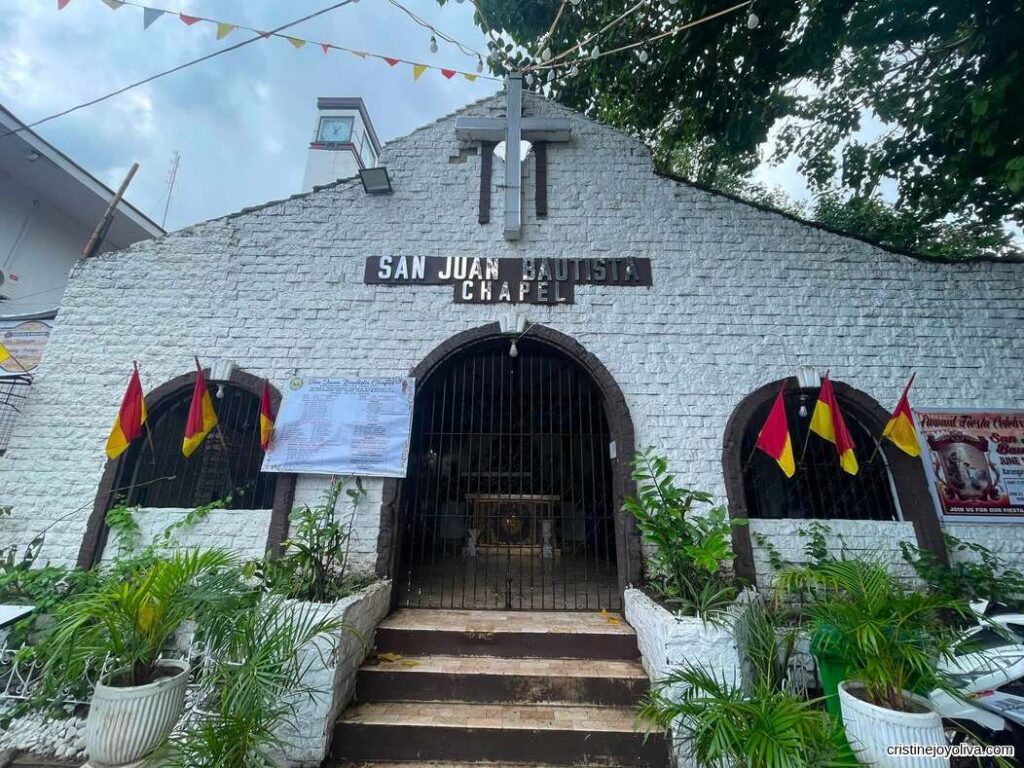
From the Heritage of Cebu Monument, I wandered past an old chapel named San Juan Bautista Chapel, the historic Pari-an Fire Station, a reminder that this district has long been one of Cebu’s important urban centers, and eventually reached the Yap-San Diego Ancestral House, considered one of the oldest Chinese-Filipino houses in the country.
The Pari-an area is home to several historic sites, making it a worthwhile part of a self-guided Cebu City heritage walk. If you enjoy old architecture, local history, and discovering less obvious corners of a city, give yourself time to wander beyond the major landmarks.
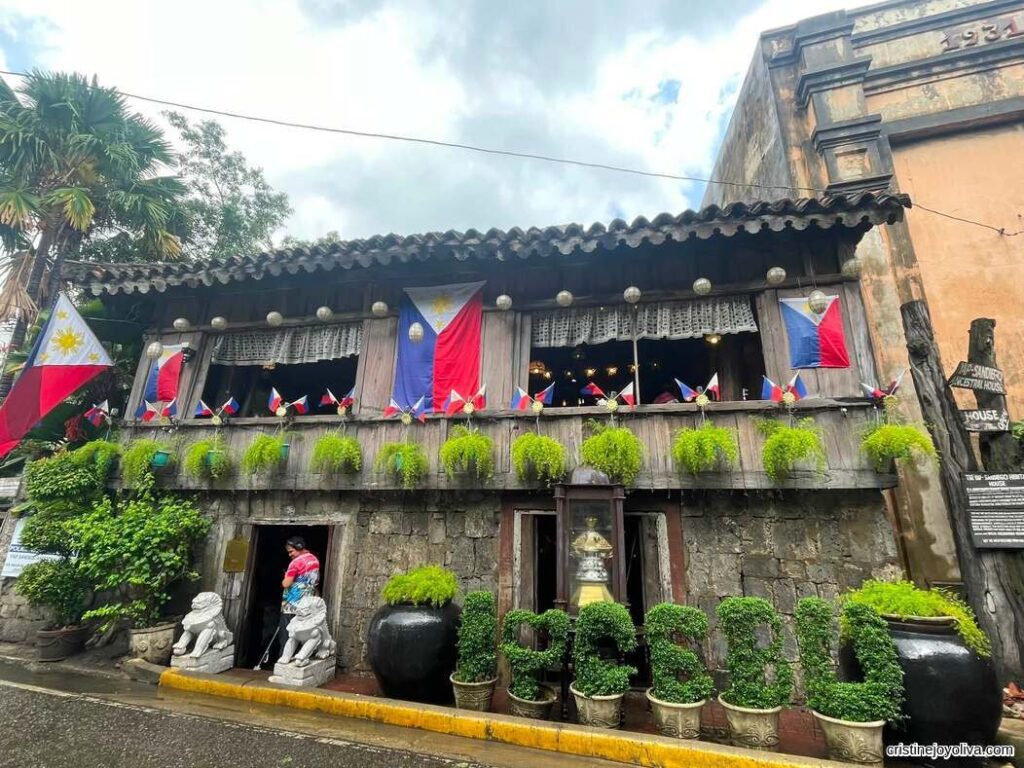
What struck me most was how different this experience felt from visiting a conventional museum. Cebu’s history wasn’t confined behind glass or displayed on information panels. It was woven into the streets, old houses, chapels, and quiet corners I encountered along the way.
🧲 Good to Know: Cebu Souvenirs
There are souvenir shops right in front of the Yap-Sandiego Ancestral House. I picked up three Cebu-themed refrigerator magnets for ₱200, a small keepsake from my heritage walk.
Where to Eat in Cebu City: Pungko-Pungko sa Fuente
I wanted to try some local cafés nearby, but my instinct led me to Greenwich, where I ordered lasagna. After a few minutes, I decided to head back to my hostel and work on some blog edits. At 7 PM, I finally checked out the pungko-pungko place I’d passed earlier that day. I soon found myself sitting on a tiny plastic stool, sharing dinner with strangers.
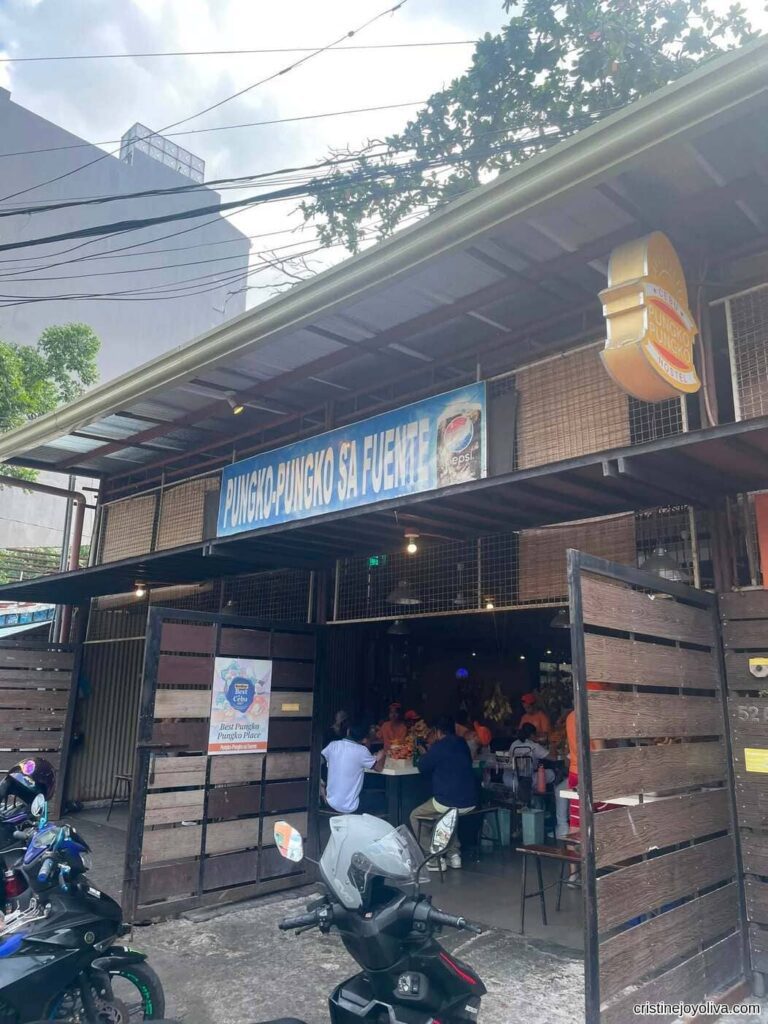
One of my family members who knows Cebu culture suggested that I try it at least once if I wanted to experience Cebu like a local. They were right. Pungko-pungko isn’t fancy, but somewhere between the vinegar, the puso, and the conversations around me, Cebu City solo travel started to feel less like a checklist and more like a rhythm. I heard loud conversations in Cebuano, the sizzle of hot oil, vendors calling out orders, motorcycles passing by, and people enjoying a quick meal before going on with their evening. It’s one of those places where you don’t feel like you’re watching Cebu. You feel like you’re participating in it.
🍢 What Does “Pungko-Pungko” Mean? In Cebuano, “pungko” means “to squat” or “to sit on a low stool.” Pungko-pungko is a street-food dining style where customers sit on small plastic stools and pick freshly fried food straight from trays laid out in front of them.
What I Ate at Pungko-Pungko
Unlike a typical restaurant, the food was displayed on trays right in front of me. I simply pointed at what I wanted, took my plate and vinegar, and found a seat. The vinegar came with onions, garlic, and chilies. It wasn’t the spicy vinegar I would have loved, but it still paired well with the food. Since I have braces, I opted for softer, easier-to-eat choices: tocino, meatballs, crab meat (relleno), ngohiong, and puso.
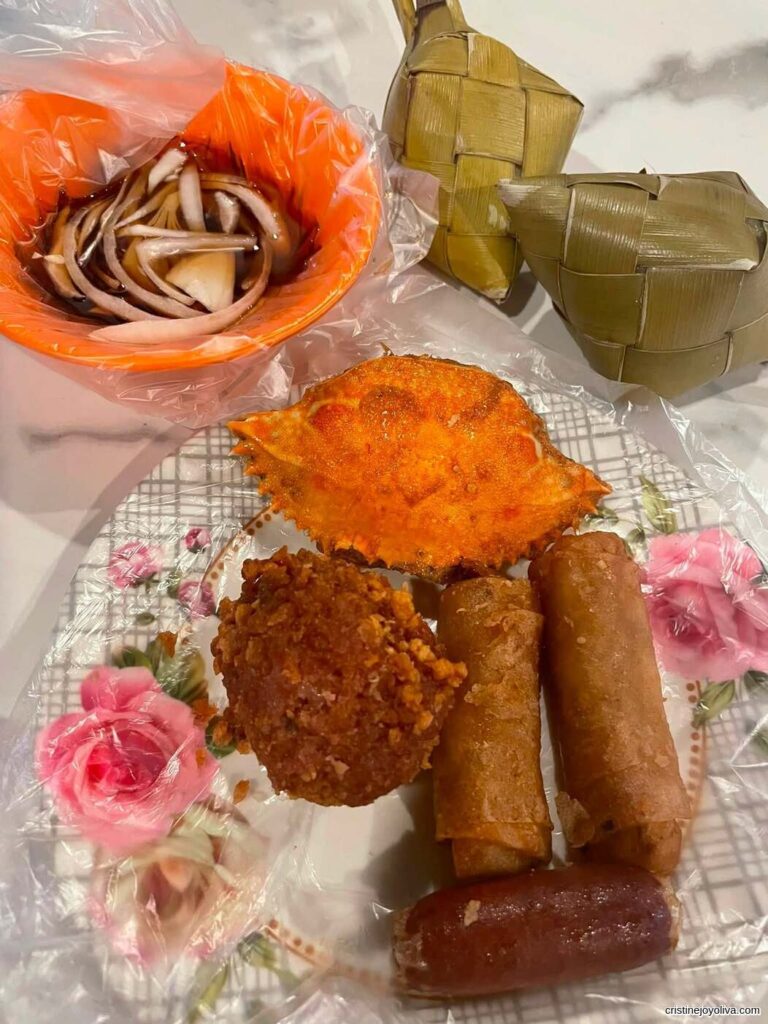
Pungko-pungko is casual, affordable, and welcoming. Office workers, students, taxi drivers, families, and tourists all eat side by side—and for a solo traveler, something is comforting about simply finding a small seat and becoming part of the crowd.
🍚 What Is Puso? Puso is Cebu’s iconic hanging rice, steamed inside woven coconut leaves. It’s convenient to carry and commonly eaten with street food and other local dishes.
Cebu City Solo Travel: A Lesson in Resilience
The last time I visited Cebu was in 2009 during a college field trip. Back then, I walked these streets as a student eager to complete an educational tour. Seventeen years later, I returned alone—not for a class requirement, but because I needed a change of scenery. The landmarks hadn’t changed much, or maybe it was, but I had.
What once felt like a history lesson had become a journey of reflection. Looking back, I realized this trip wasn’t just about revisiting Cebu after seventeen years. It was about revisiting myself. The city greeted me with blazing sunshine, unexpected rain, wrong turns, familiar landmarks, and countless reminders that not every journey has to go according to plan.
💸 4 Days Cebu City Solo Travel Budget Breakdown
| Expense | Amount (₱) |
|---|---|
| Flight (Iloilo → Cebu) | 2,645.32 |
| Flight (Cebu → Manila) | 2,933.60 |
| Tricycle Fare: Home – Dao Ceres Terminal | 20.00 |
| Bus Fare: Dao Terminal – Mohon, Iloilo Terminal | 179.00 |
| Coffee Break Café, Iloilo Airport | 125.00 |
| MyBus (Airport → SM City Cebu) | 50.00 |
| Grab (SM City Cebu – Yellow Umbrella) | 151.00 |
| Dinner: 7-Eleven | 87.00 |
| Breakfast: Jollibee | 159.00 |
| Ref magnets | 200.00 |
| Buko juice | 25.00 |
| Lunch: Greenwich | 119.00 |
| Dinner: Pungko-pungko | 124.00 |
| Breakfast: Red’s Café | 225.00 |
| Starbucks load | 300.00 |
| Cloud Nine Creamery – Dessert Café | 250.00 |
| Dinner: Chowking | 125.00 |
| Grab (SM City Cebu – Yellow Umbrella) | 162.00 |
| Breakfast: McDonald’s | 186.00 |
| Grab (Baseline Center → SM City Cebu) | 159.00 |
| MyBus (SM City Cebu → SM Seaside Cebu) | 30.00 |
| Lunch: Ramen Kuroda | 250.71 |
| Coco Milk Tea | 110.00 |
| MyBus (SM Seaside → SM City Cebu) | 30.00 |
| MyBus (SM City Cebu → Airport) | 50.00 |
| Dinner: Dimsum Break | 249.00 |
| Yellow Umbrella Hostel | 1,735.08 |
| Total (4 days, including both flights) | ₱10,679.71 |
Somewhere between the Basilica’s enduring walls, the laughter over my own navigational mishaps, and the steady rhythm of walking through Cebu’s historic streets, I found the word that would define this journey: resilience.
I traveled to Cebu from July 6 to 9, 2026, hoping to find answers to the endless questions I had been carrying. What began as a simple getaway unexpectedly became a personal pilgrimage.