I didn’t plan a strict, sequential Pingxi Line itinerary, nor did my transit go entirely as expected. But then again, the best travel moments rarely happen on a rigid schedule.
On my last day in Taiwan, I returned to New Taipei City with a simple goal: slow down, soak in the culture, and chase the rich history winding through Taiwan’s famous railway valleys. From navigating early morning transfers out of Taipei to walking the iconic, lantern-draped stretch of Shifen Old Street, this journey proved that sometimes the detours are the real destination.
📋 Quick Facts: Pingxi Line Itinerary
| Detail | Info |
|---|---|
| Line | Pingxi Line (12.9 km heritage branch line from Ruifang) |
| Starting point | Taipei Main Station → transfer at Badu Station → Ruifang Station |
| Stops covered | Ruifang, Pingxi, Jingtong, Shifen, Houtong Cat Village |
| Ticket | One-way local fare (~NT$49 to Ruifang), or the Pingxi Line One-Day Pass (NT$80 / ~$2.50 USD) for unlimited rides |
| Trip duration | Full day: departed Taipei ~7:37 AM, back at Ruifang by ~5 PM |
🚉 The Pingxi Line: A Railway of Stories
The Pingxi Line is a 12.9-kilometer branch line established during the mining boom to transport coal from the mountains. Today, it serves not as a lifeline for industry but for travelers seeking heritage, charm, and quiet adventure.
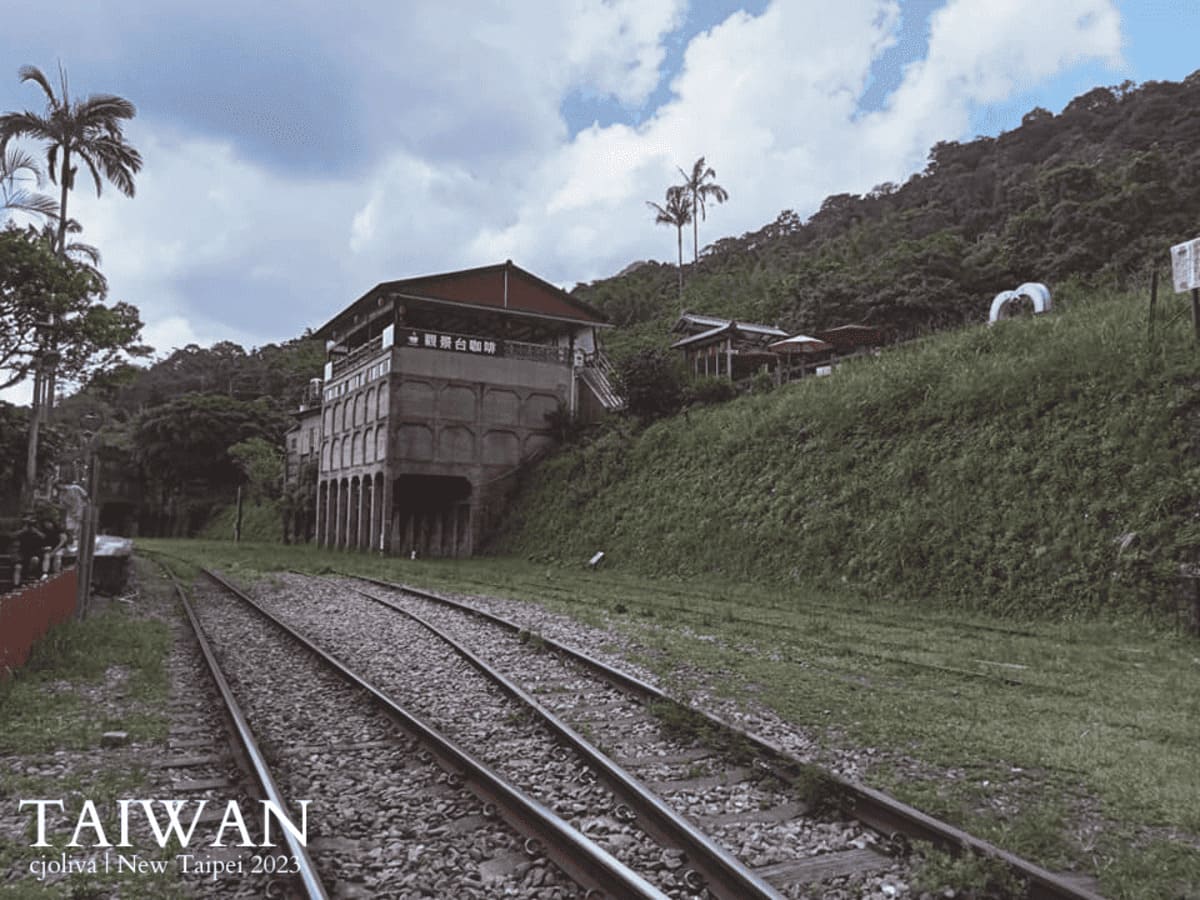
Connected to Ruifang Station, near the iconic Jiufen, the line has since been preserved as a heritage railway. Many of the stations still retain their classic wooden architecture and nostalgic ambiance.
🚉 How to Reach & Navigate the Pingxi Line
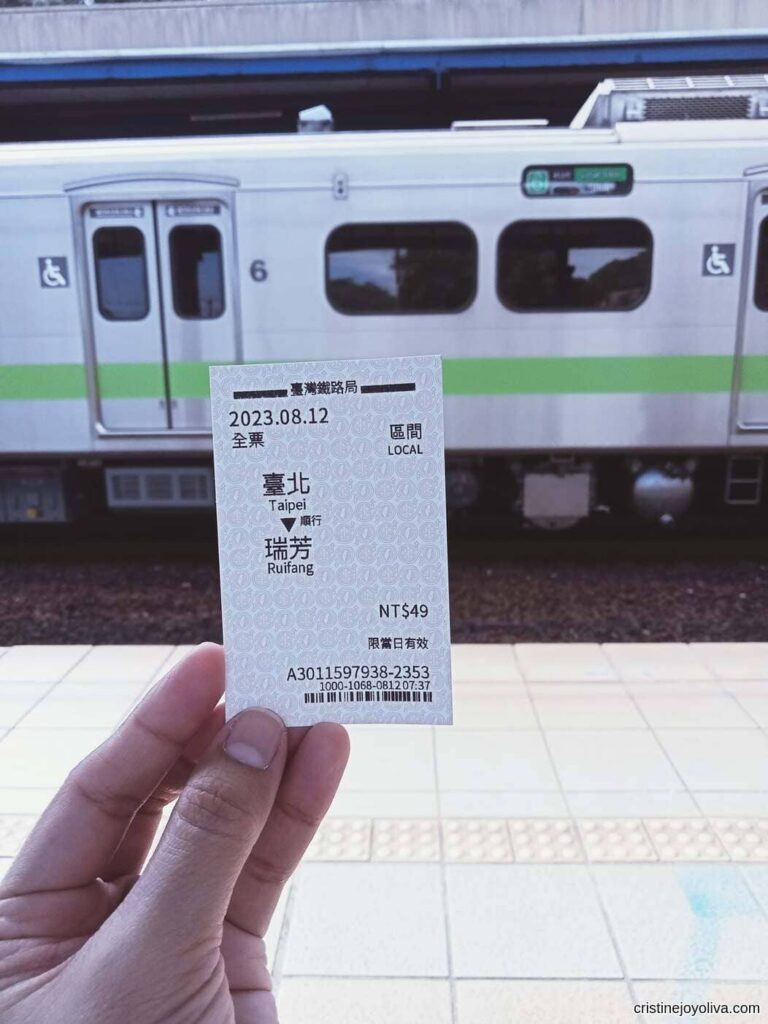
I grabbed my NT$49 local ticket at Taipei Main Station around 7:37 AM. The staff member at the counter pointed me toward the platform, and I boarded the incoming local train feeling confident. What I didn’t realize at the time was that two different train routes share those same tracks out of Taipei before splitting further north.
💡 Pro-Tip: Avoid My Train Ticket Mistake!
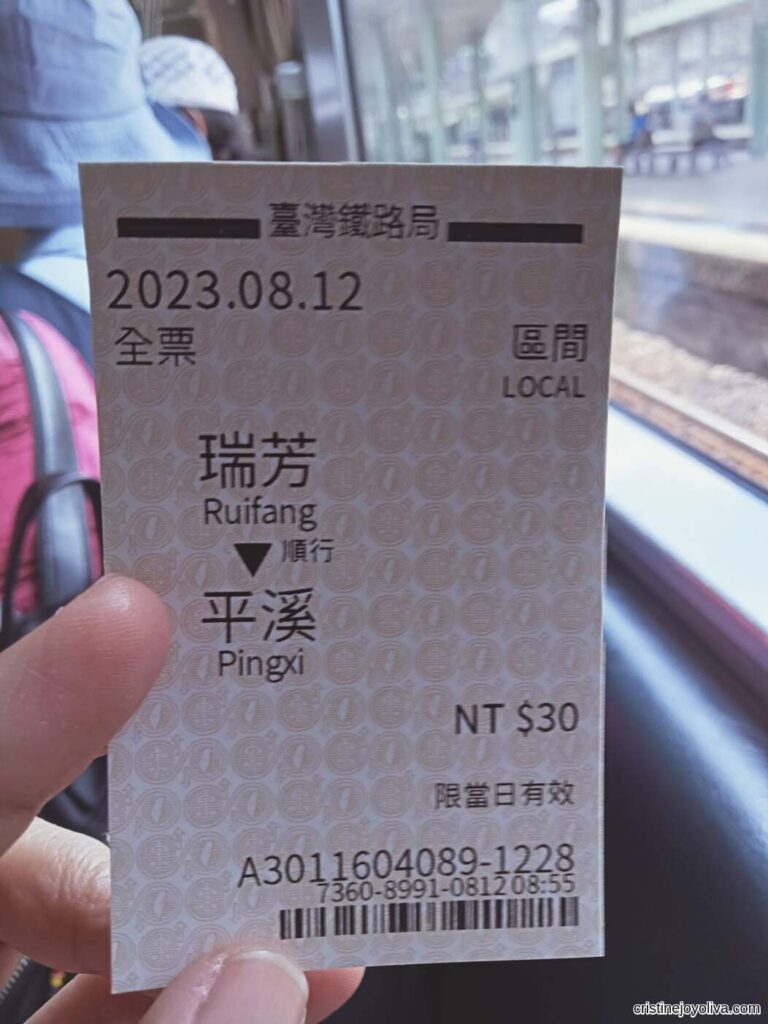
When I bought my ticket at Taipei Main Station, I accidentally purchased a standard one-way ticket instead of the unlimited pass. That meant paying for each leg separately as I went: NT$49 from Taipei to Ruifang, then another NT$30 just to get from Ruifang to Pingxi alone. If you plan on visiting two or more stops along the line (such as Shifen, Pingxi, and Houtong), do not buy individual point-to-point tickets!
🎟️ Get the Pingxi Line One-Day Pass: Grab this at Taipei Main Station or Ruifang Station ticket counters for NT$80 (~$2.50 USD). It gives you unlimited hop-on, hop-off rides across all branch stations for the entire day.
💳 Or Simply Tap Your EasyCard / iPASS: You can swipe in and out at platform readers along the line. Just be sure to top up your card balance before heading into the mountain stops!
🚆The Badu Station Plot Twist
About 35 minutes into the ride, a clear chime played over the train speakers, followed by an English announcement: “Passengers heading toward Yilan, Hualien, or the Pingxi Line, please alight at Badu Station to transfer.”
That was my cue! I grabbed my backpack, stepped off at Badu Station, and crossed over to the adjacent platform. Within minutes, the correct Yilan-bound train rolled in to carry me the rest of the way to Ruifang.
💡 Takeaway for First-Time Travelers:
Don’t worry if you accidentally board a Keelung-bound local train out of Taipei. The TRA onboard announcements explicitly warn you before the track splits at Badu Station. Just listen out for the transfer call, hop off at Badu, and switch platforms to catch the train to Ruifang!
Stepping off at Ruifang Station, I was greeted by local eateries and the tempting aroma of Taiwanese street food. Nearby buses idled, waiting to take travelers to Jiufen Old Street, but today, my heart was set on the rails.
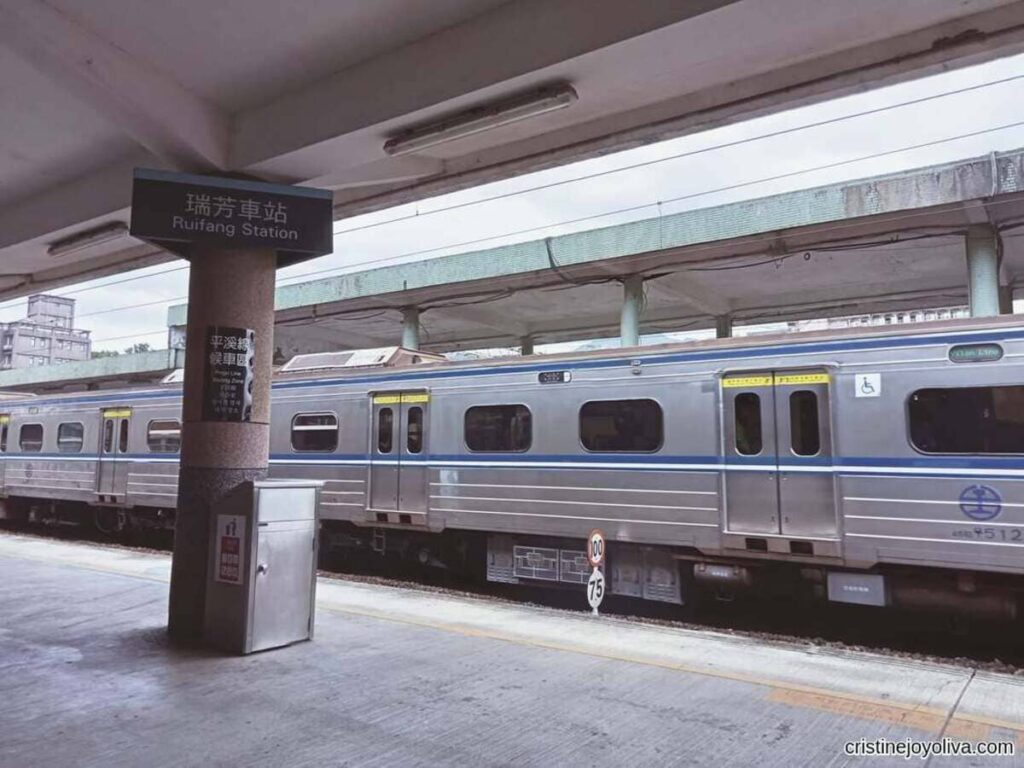
🚂 Heads up on my route: I went Ruifang → Pingxi → Jingtong → Shifen → Houtong → back to Ruifang. Since Houtong and Shifen actually sit between Ruifang and Pingxi on the line, this meant backtracking on the return leg. If you’d rather ride straight through without doubling back, the more efficient order from Ruifang is Houtong → Shifen → Pingxi → Jingtong, then back down to Ruifang once at the end of the line.
🎐 Pingxi Old Street: Wishes in the Wind
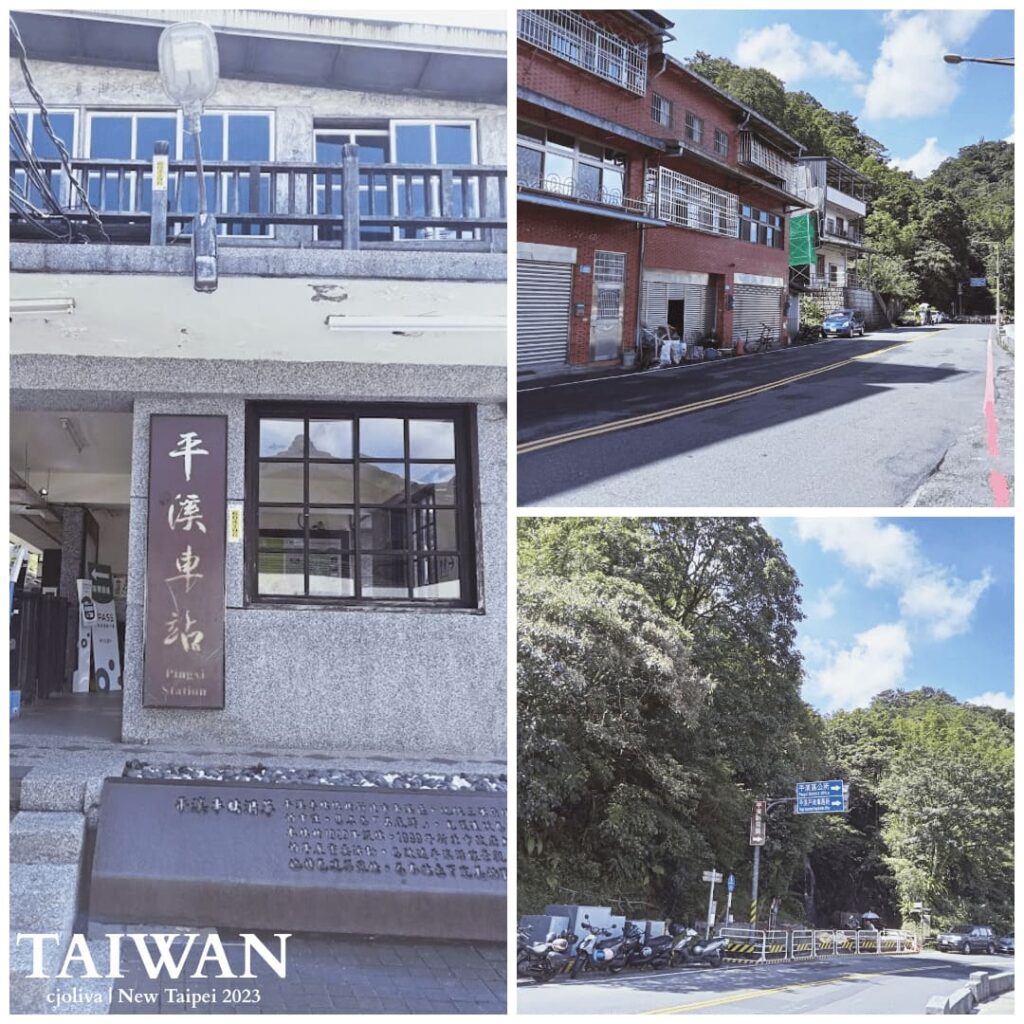
My first stop was Pingxi Station, home to the less-crowded yet equally charming Pingxi Old Street. This town is famous for its year-round sky lantern releases, a smaller, everyday version of the larger Pingxi Sky Lantern Festival held each Lunar New Year. Walking through the sloping streets filled with lanterns, souvenirs, and local snacks, I found it peaceful and pleasantly free of crowds.
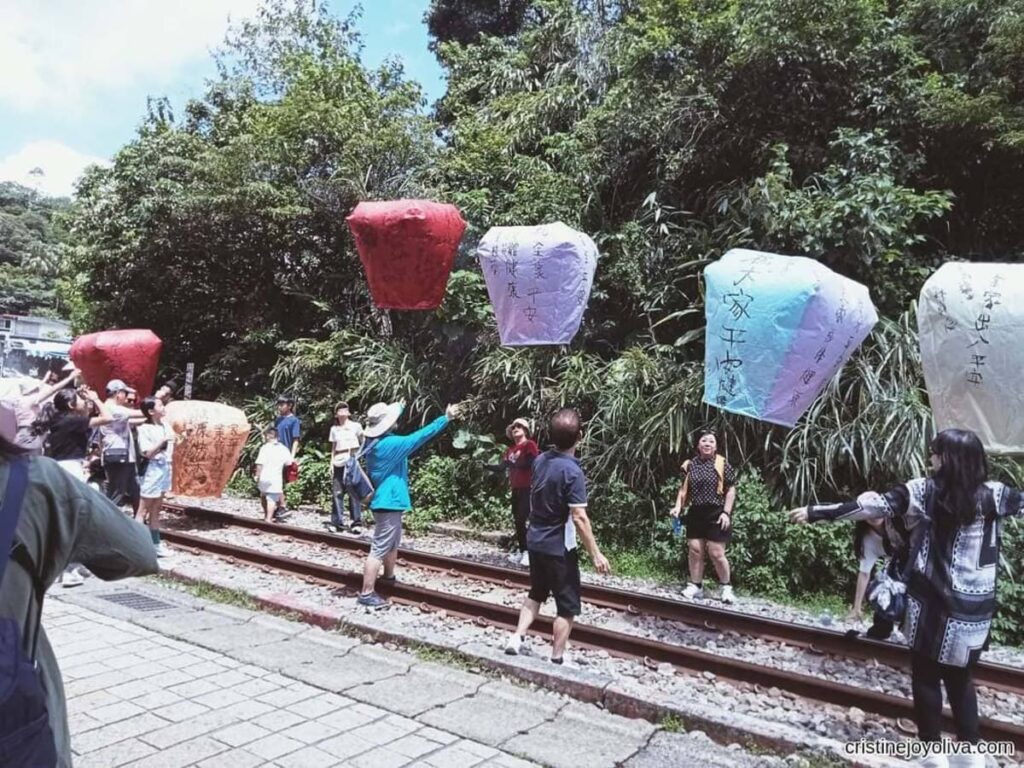
Out of environmental respect, I chose not to fly a sky lantern this time. Instead, I simply stood by and watched others make their wishes. Sometimes, observing can be just as meaningful.
🏮 Writing Wishes on Sky Lanterns & Bamboo Tubes
In Pingxi, sky lantern releasing feels far less rushed compared to the busier stops down the line:
🎨 Personalized Wishes: You can choose a classic sky lantern (each color representing health, love, wealth, or career) and write your dreams in calligraphy using brush and ink along the quiet stretch of tracks.
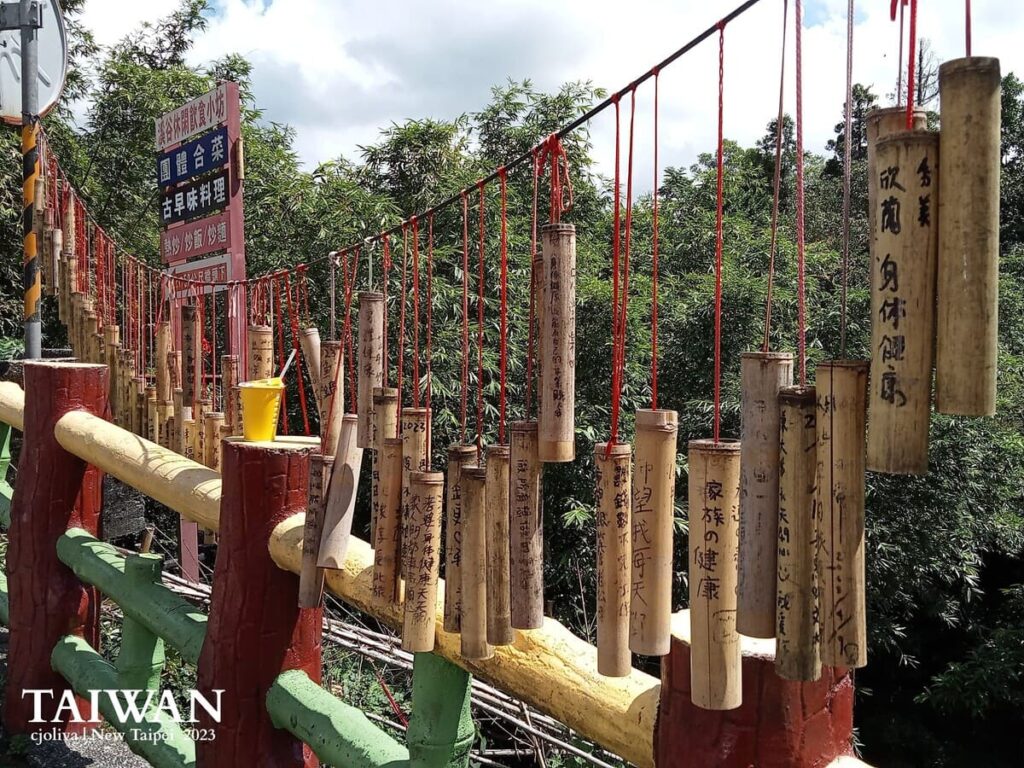
🎋 Bamboo Wishing Tubes: If you prefer not to release a lantern, you’ll spot thousands of small bamboo cylinders hanging along wooden railings near the bridge and local shops, each inscribed with handwritten prayers and wishes fluttering in the mountain breeze.
📸 Relaxed Atmosphere: Because the crowds are smaller here, shop owners take their time helping you pose, take videos, and light your lantern safely.
📜 Jingtong: Nostalgia in the Hills
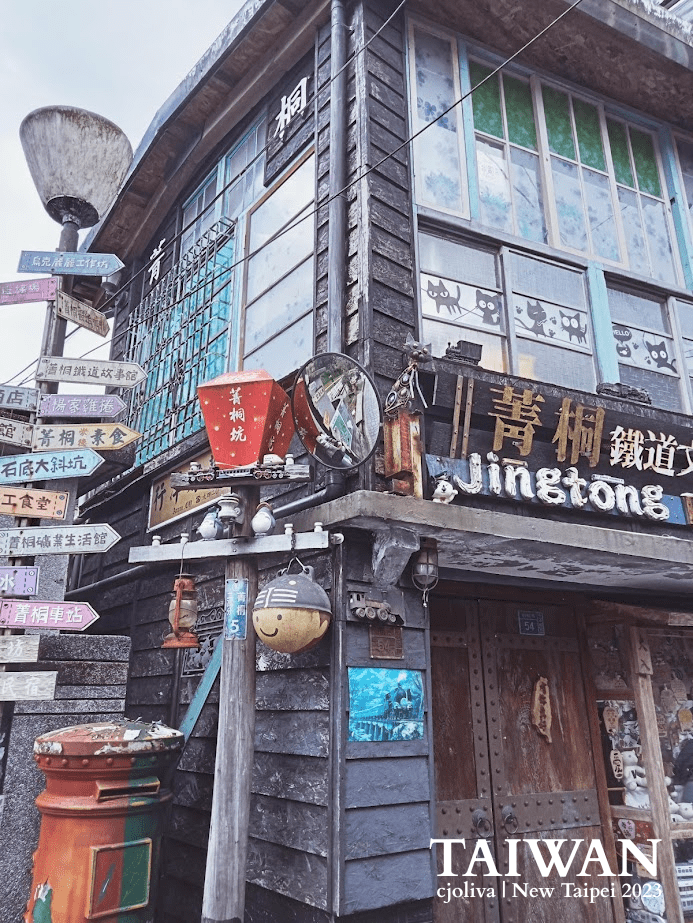
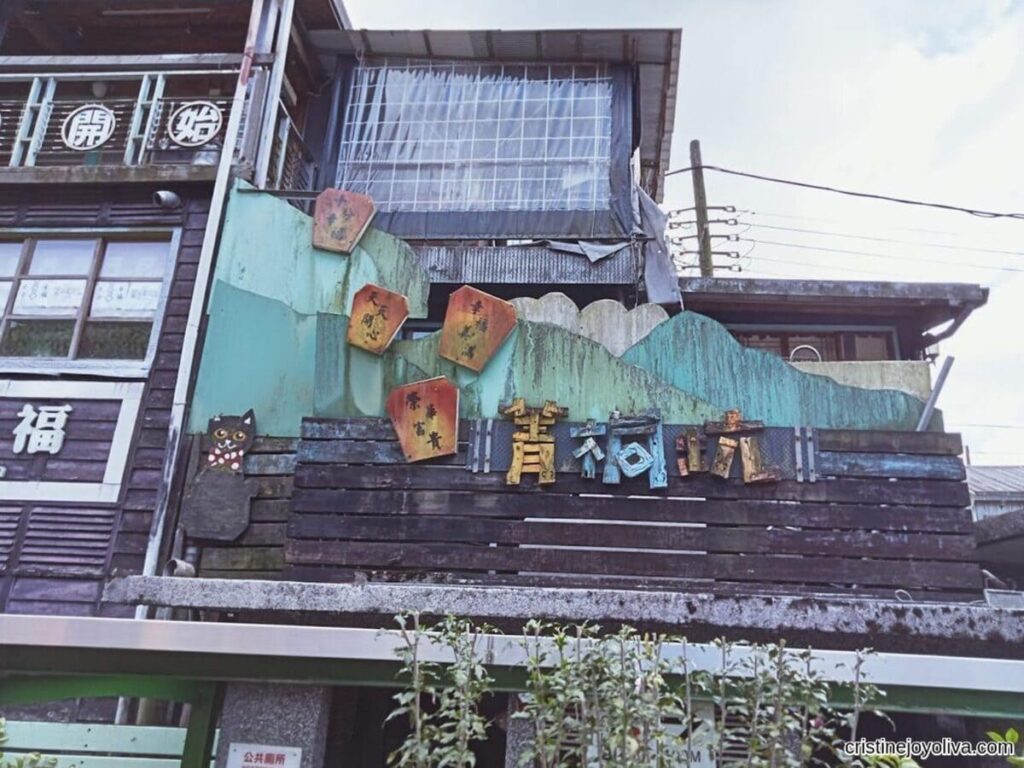
At the end of the Pingxi Line lies Jingtong Station, a quiet, nostalgic gem. Its old street, lined with wooden buildings and paper lanterns, felt like stepping into a time capsule. At the end of the platform, a physical rail buffer stop marks where the tracks come to a complete halt against the green mountain forest, a popular photo spot for railway enthusiasts.
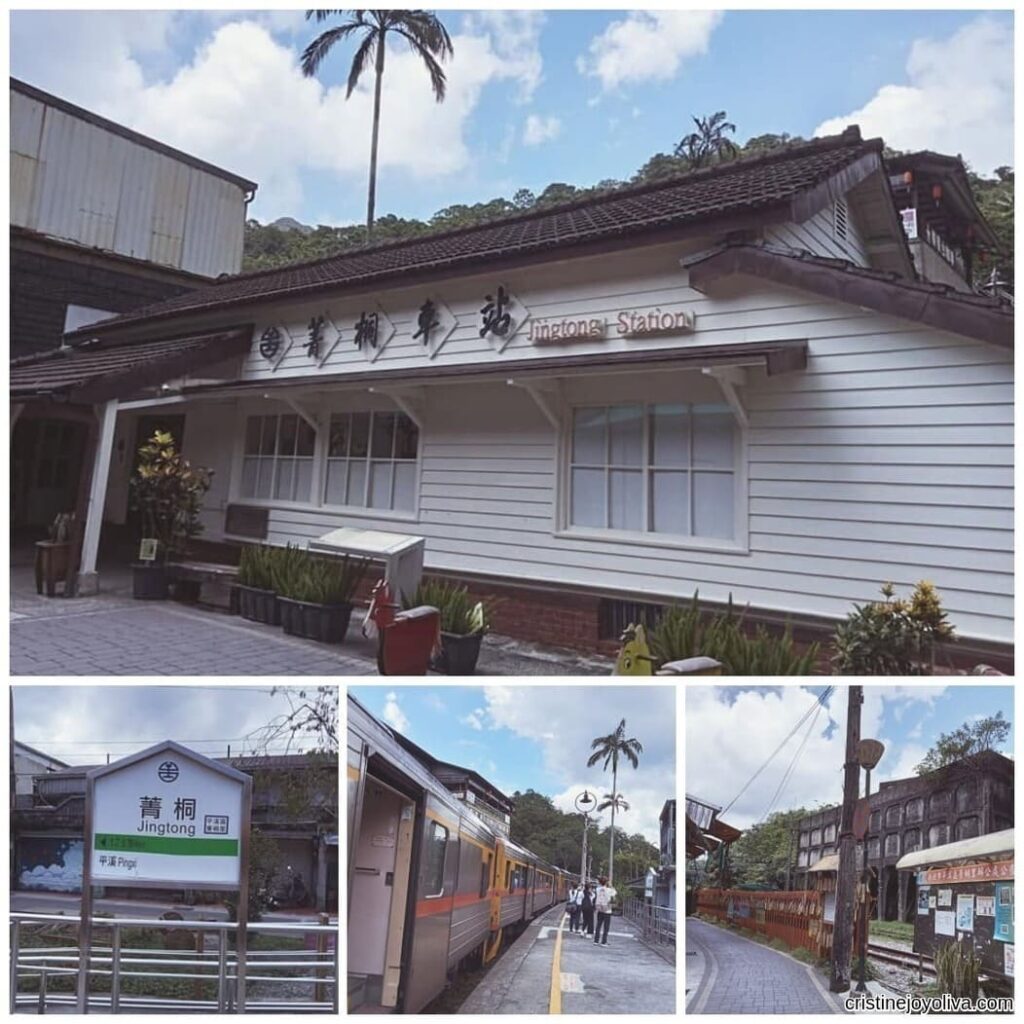
Beyond its charming streetscape, Jingtong also offers glimpses into its mining-era past and the stories that shaped this mountain town. It was here that I slowed down, wandered around, and discovered a little more of Jingtong beyond the railway tracks.
🏛️ Jingtong Museum
I visited the local museum and learned more about Jingtong’s history, adding another layer of depth to my experience in this charming mountain town. The museum’s artifacts and exhibits offer a glimpse into the area’s mining-era past, giving visitors a better understanding of how Jingtong grew from a former mining community into the nostalgic town it is today.
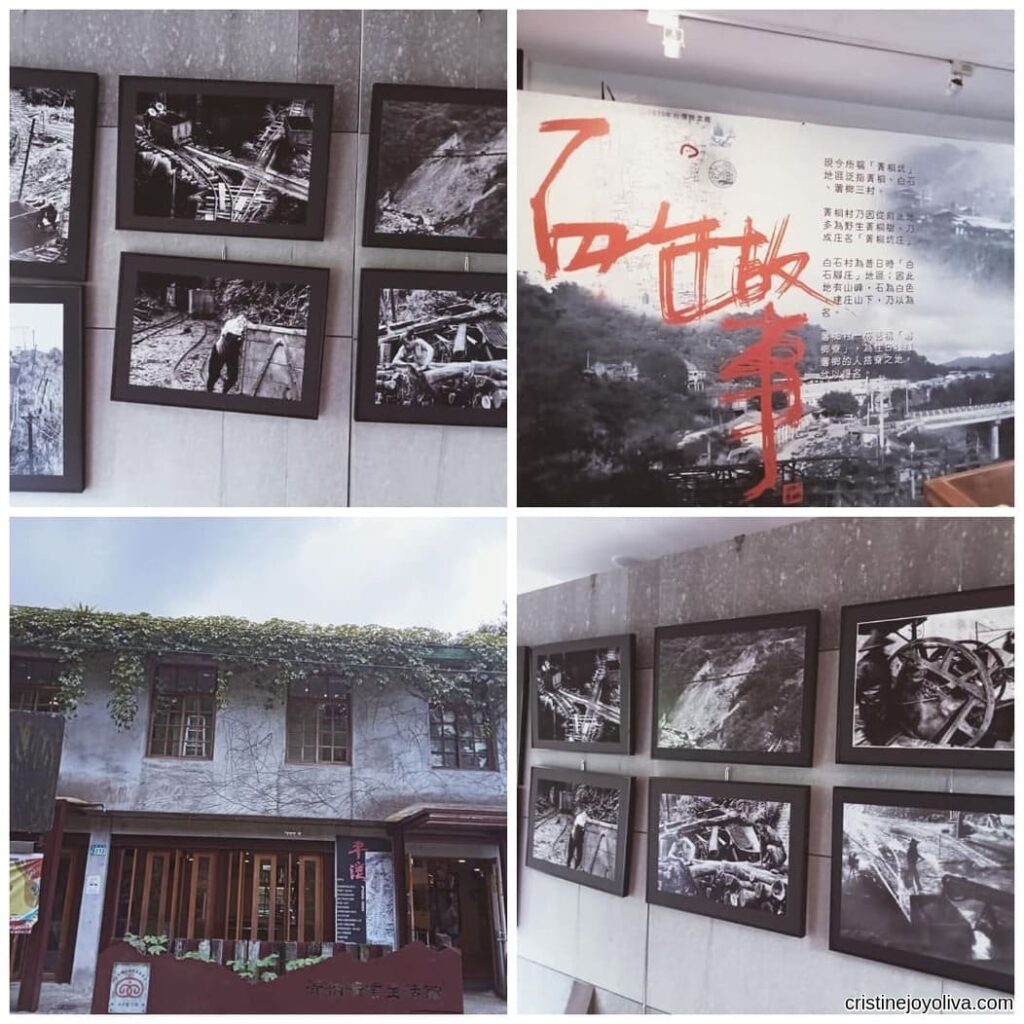
Walking through the exhibits helped me see Jingtong beyond its picturesque station and old street. It gave the quiet little town a deeper story, one shaped by the people and industries that once defined this mountain community.
📮 Jingtong Story House Souvenir Shop
Inside the Jingtong Story House, I found a cozy souvenir shop where I bought postcards and chatted with the friendly lady at the counter. When she mentioned that they also sold postage stamps, I smiled. I knew exactly what to do. I picked out a card, wrote a few words, and mailed it back home.
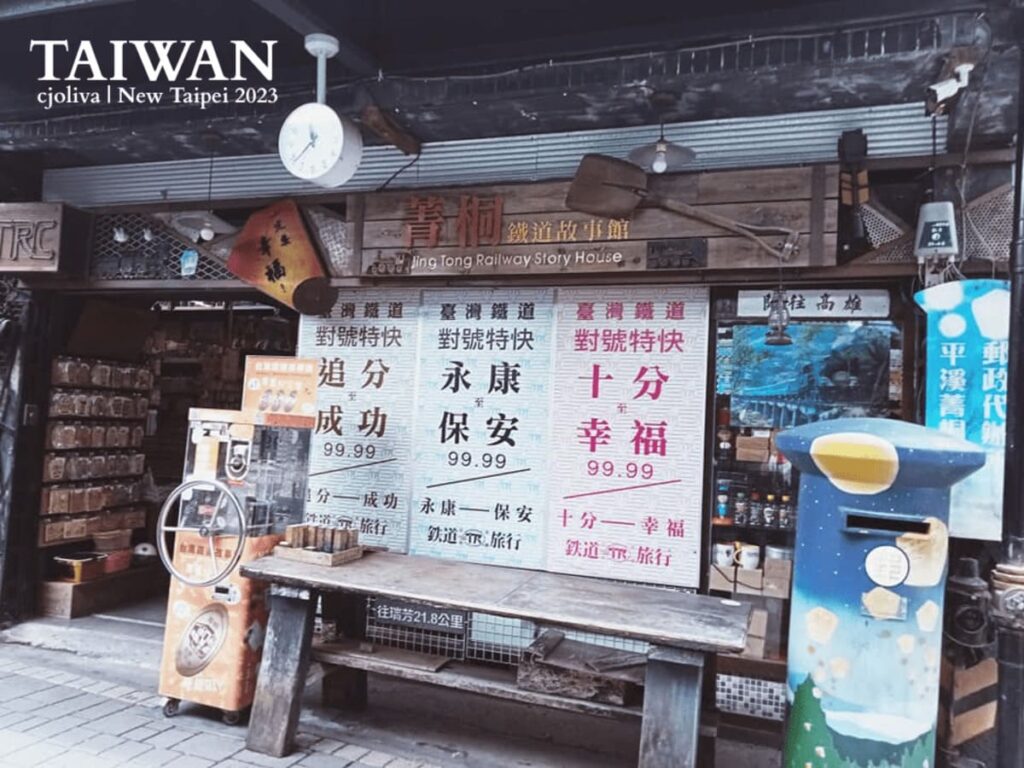
There’s something deeply fulfilling about sending a little piece of your journey to your future self. Long after the trip is over, that postcard becomes more than a souvenir. It becomes a small reminder of where you were and what you felt in that moment. For me, it became one of those tiny travel rituals that make a place linger in memory long after the train has left.
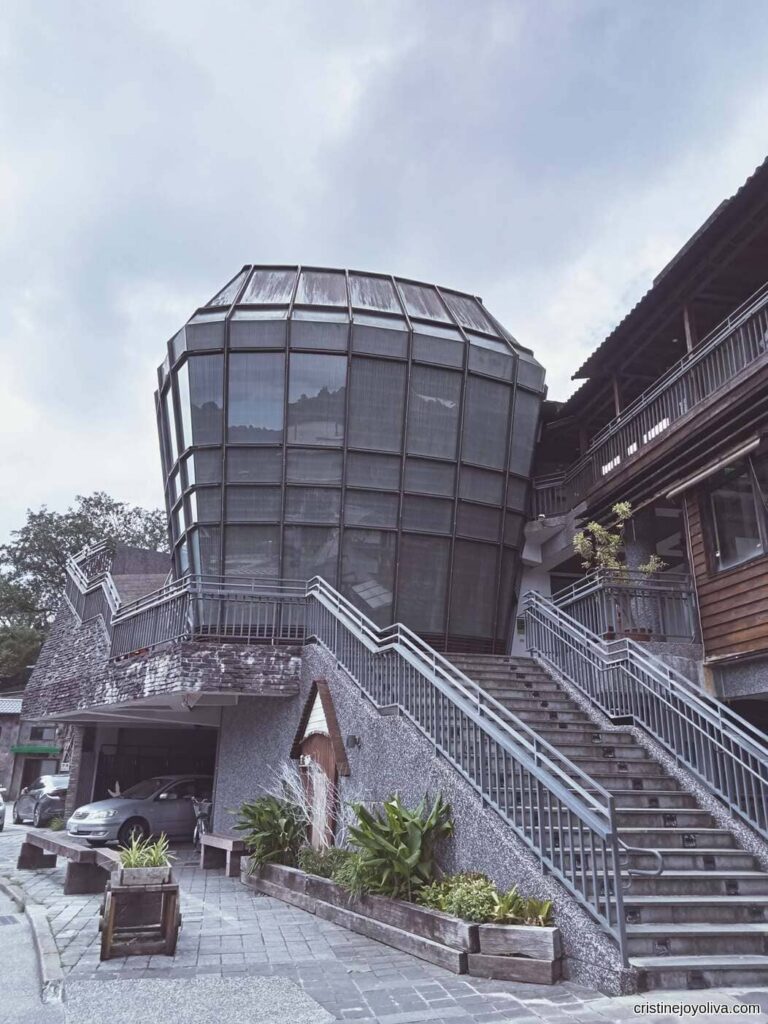
💡 Did You Know?
The Jingtong Sky Lantern Police Station is the only police station in Taiwan shaped like a glass sky lantern. Visitors can also write digital wishes on postcards inside the station, which are scanned and projected as they appear to float upward inside the giant glass lantern.
🌧️ Shifen Old Street: Rain, Lanterns & Milk Tea
Back on the train, I made my way to the beloved Shifen Old Street—famous for its bustling lantern-lit railway where trains still roll past people sending lanterns into the sky. Stepping out of the station, I found the energy vibrant and chaotic in the best way. I was simply there to wander the old street before making my way on foot to Shifen Waterfalls.
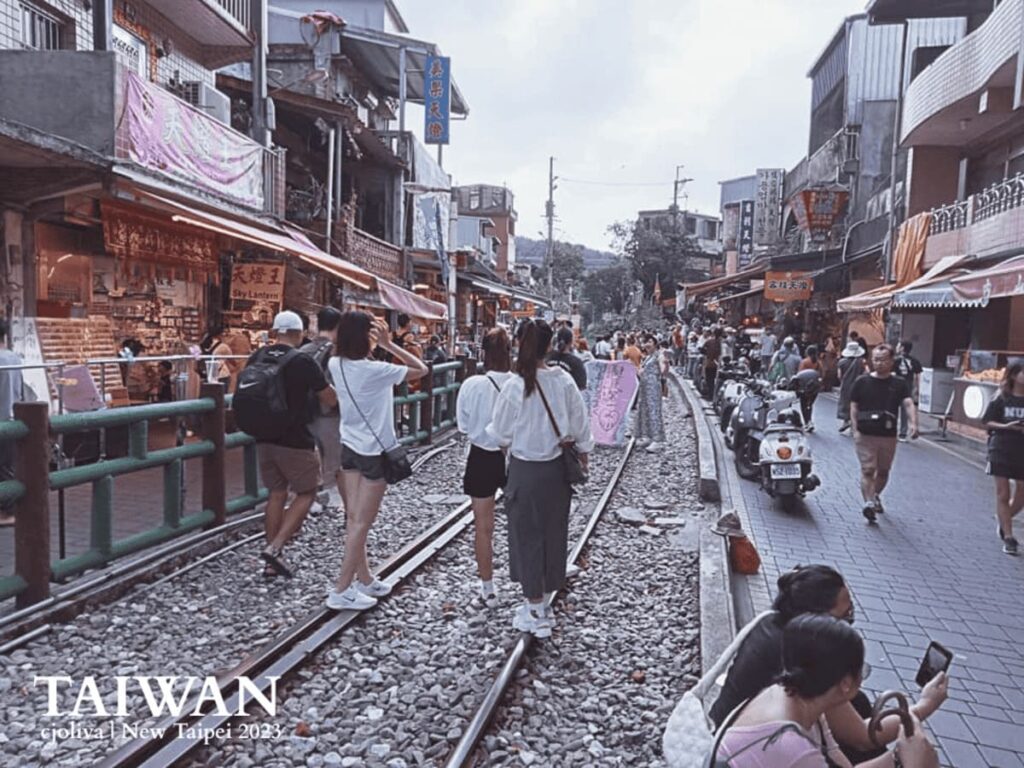
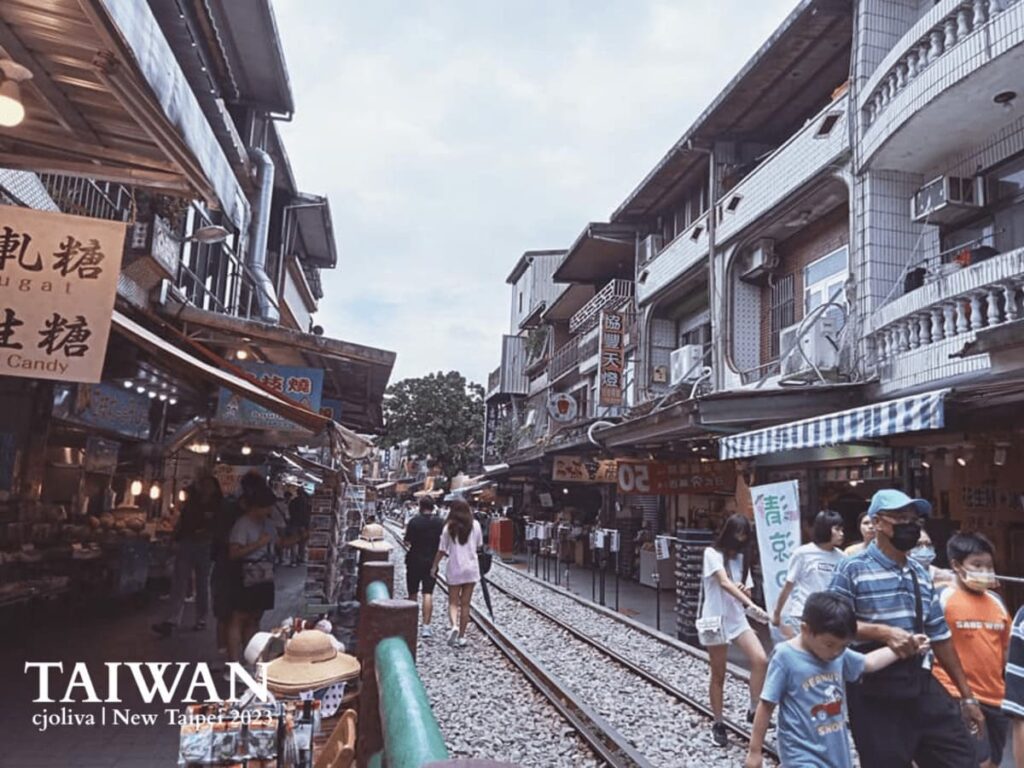
That plan was interrupted by a sudden downpour that sent everyone scrambling for shelter, including me. I ducked into a souvenir shop and waited it out. The rain didn’t last long, and when it stopped, it left the air cooler and the street shimmering. With the weather still uncertain, I decided to skip the waterfalls and settle for a cup of milk tea from one of the stalls near the tracks.
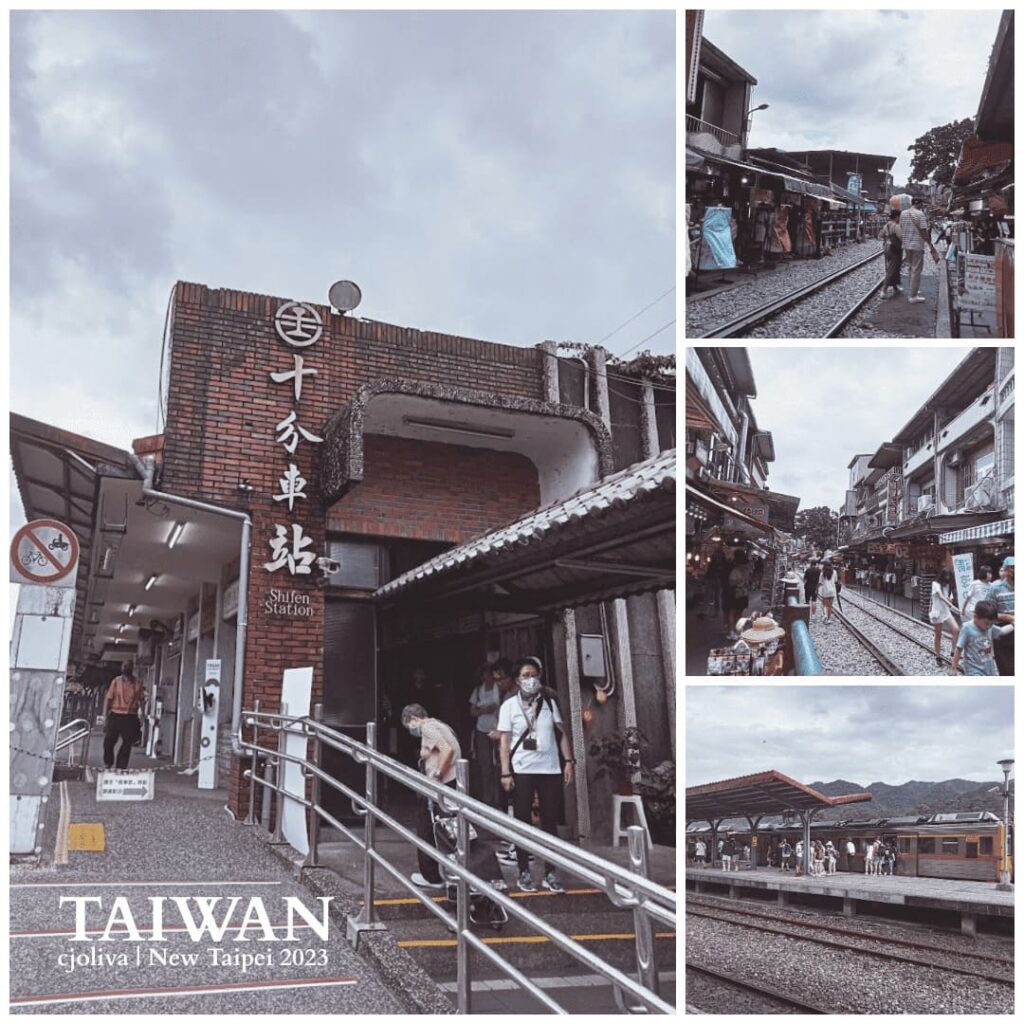
With a cup of milk tea in hand, I lingered a bit longer, letting the warmth of the place soak in. Watching the sky lanterns float upward felt like the perfect metaphor for letting go and for hoping, always hoping. A few minutes later, it was time to return to Shifen Station and continue the journey.
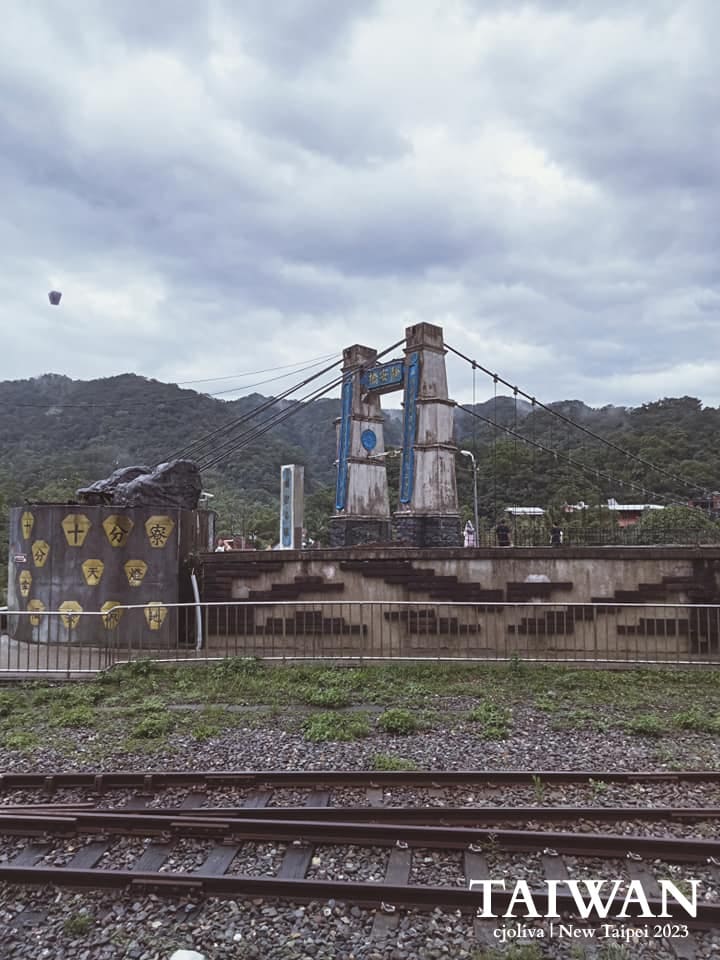
💡Good to Know
Right at the edge of Shifen Train Station sits the impressive 128-meter Jingan Suspension Bridge (靜安吊橋). While tourists walk across it today for river views, it was originally built in 1947 as a heavy-duty coal transportation bridge.
🐱 Houtong Cat Village: Whiskers & Wonder
My next stop was Houtong Cat Village, a quirky, heartwarming destination where cats are both the stars and the soul of the place. Furry residents lounged lazily across windowsills and stairways, completely unbothered by tourists fawning over them. The former mining village has embraced its feline residents so completely that cats seem to be woven into every corner of the community.
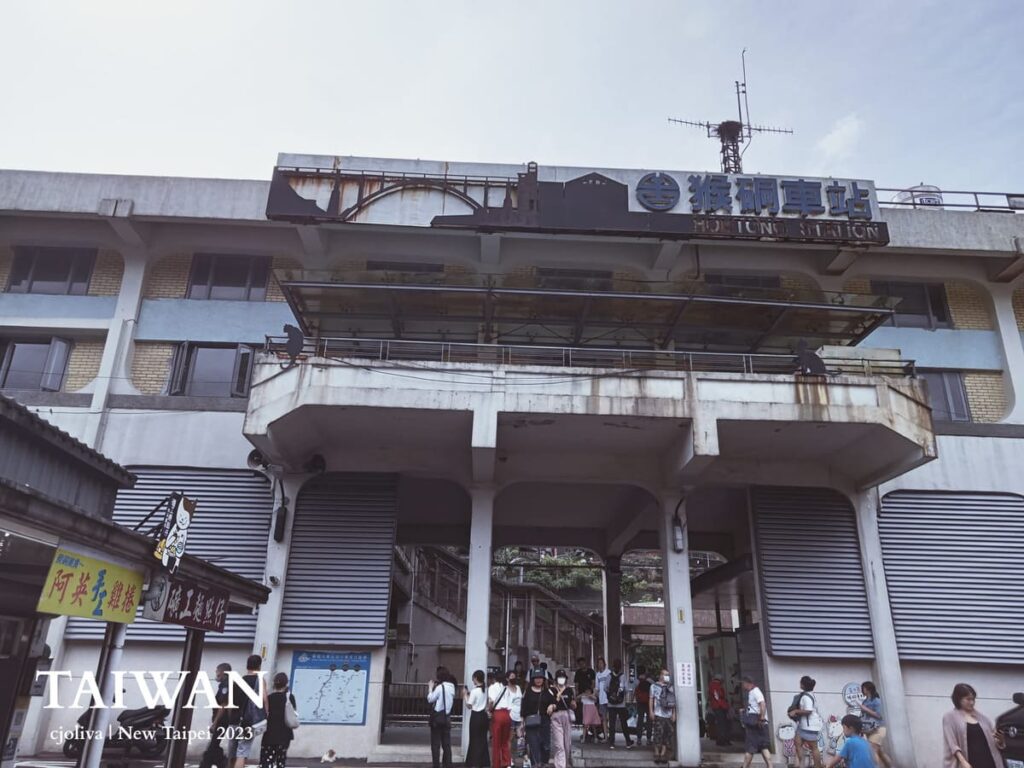
There were cat murals, cat sculptures, and cat-themed snacks tucked into every corner, genuinely delightful to wander through. I lingered in the quiet alleyways, watching the cats go about their day, unbothered by the tourists fawning over them.
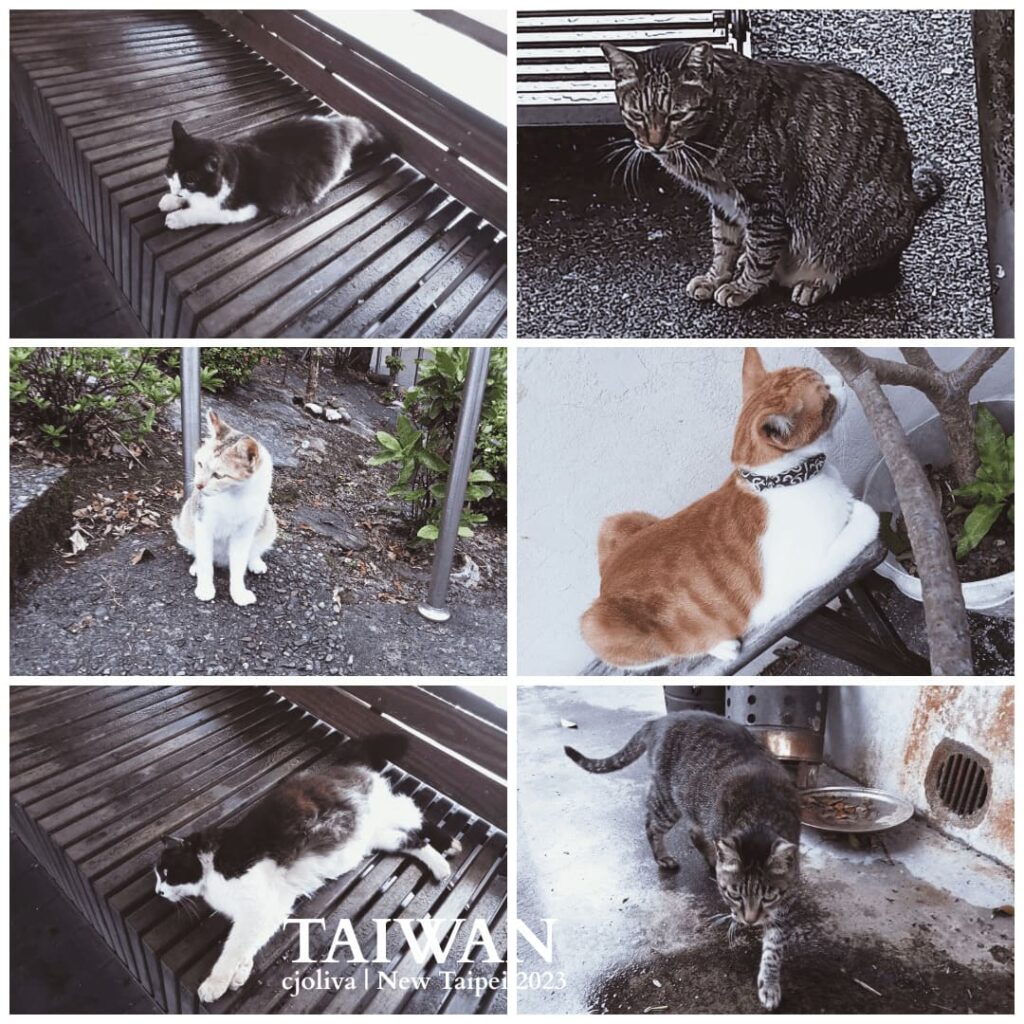
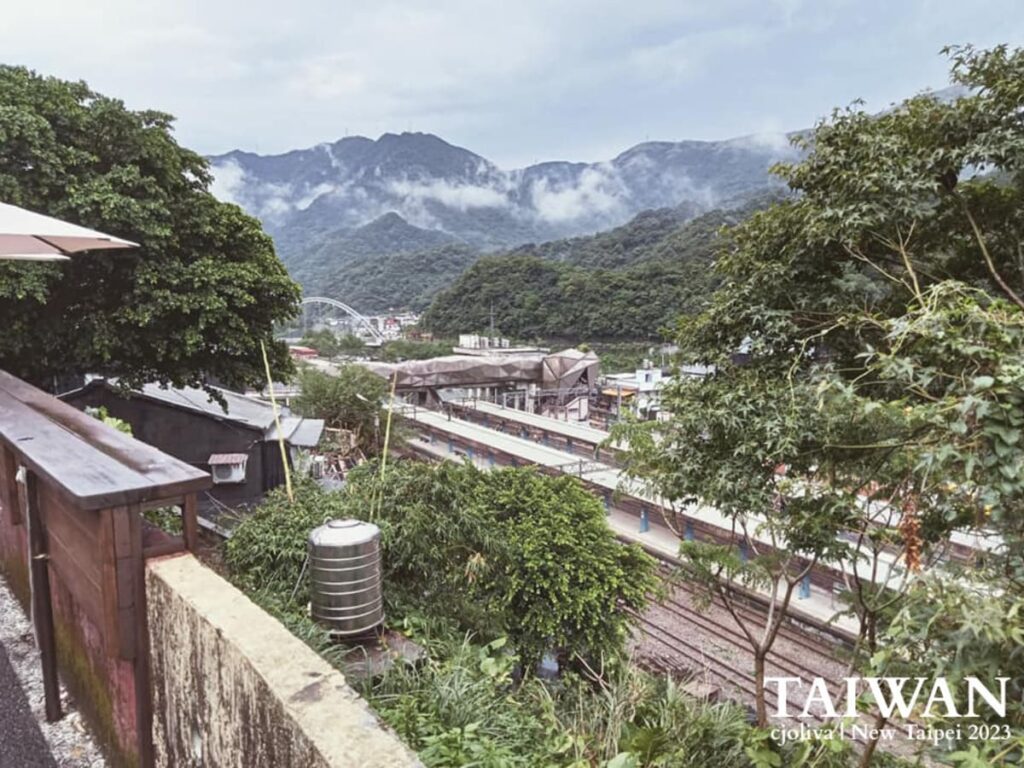
After a day of trains, lanterns, rain, and walking, Houtong felt like the right place to end it. Before leaving, I grabbed another postcard, my way of wrapping up the day with a personal touch.
🏮 Did You Know? A Historic Career Change
Houtong went from heavy industry to heavy purring. It used to be Taiwan’s top coal producer, powering the entire nation’s economy. When the mines closed, the cats moved in, took over the abandoned alleys, and completely rebranded the town’s economy from “black gold” to “whiskered gold.”
🚂 Ruifang Station: The Crossroads of Northeast Taiwan
As soon as I stepped out of the station into the cool 6 PM air, the rich, savory aroma of beef noodle soup drifted down the alleyway from a small eatery a few blocks away. I followed the scent down the street and found a warm, brightly lit diner filled with locals chatting happily over steaming bowls after a long workday.
For a second, I was deeply tempted to grab a stool and order a bowl. But instead of sitting down for a late dinner, I chose to linger on the sidewalk for a moment, taking a final, quiet glance at the old station town.
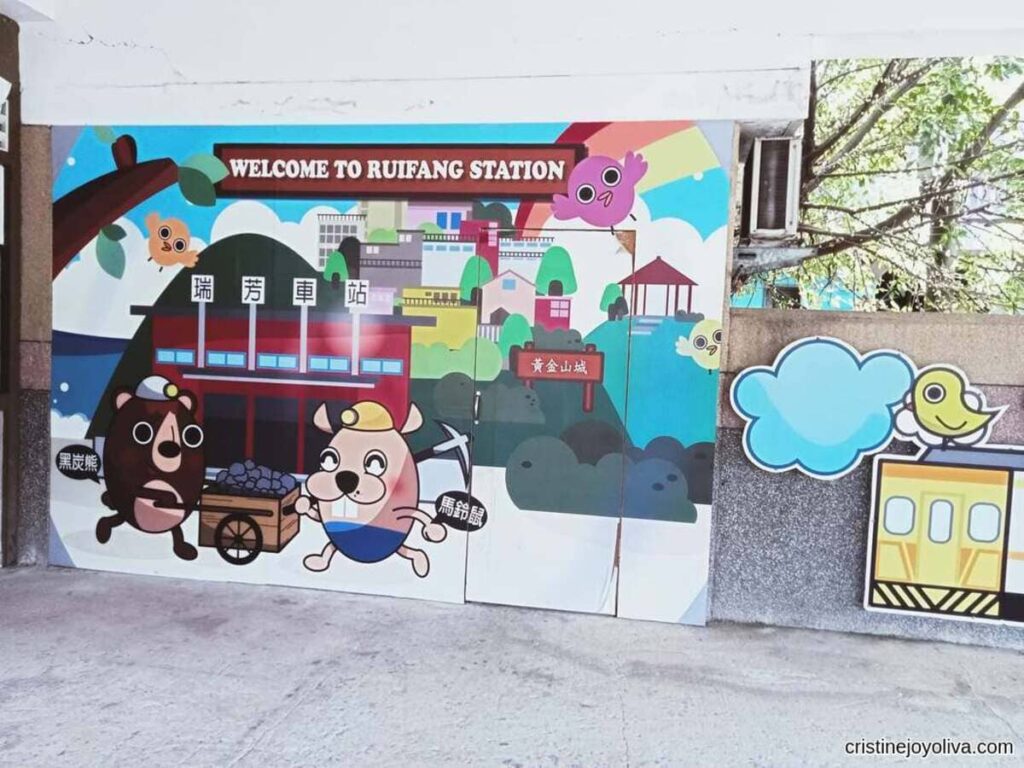
Most travelers know Ruifang strictly as a transit pit stop—the busy launching pad where crowds disembark to catch buses up the winding mountain roads toward Jiufen Old Street and Jinguashi or transfer to the Pingxi Branch Line. But at dusk, the station plaza sheds its frantic daytime energy.
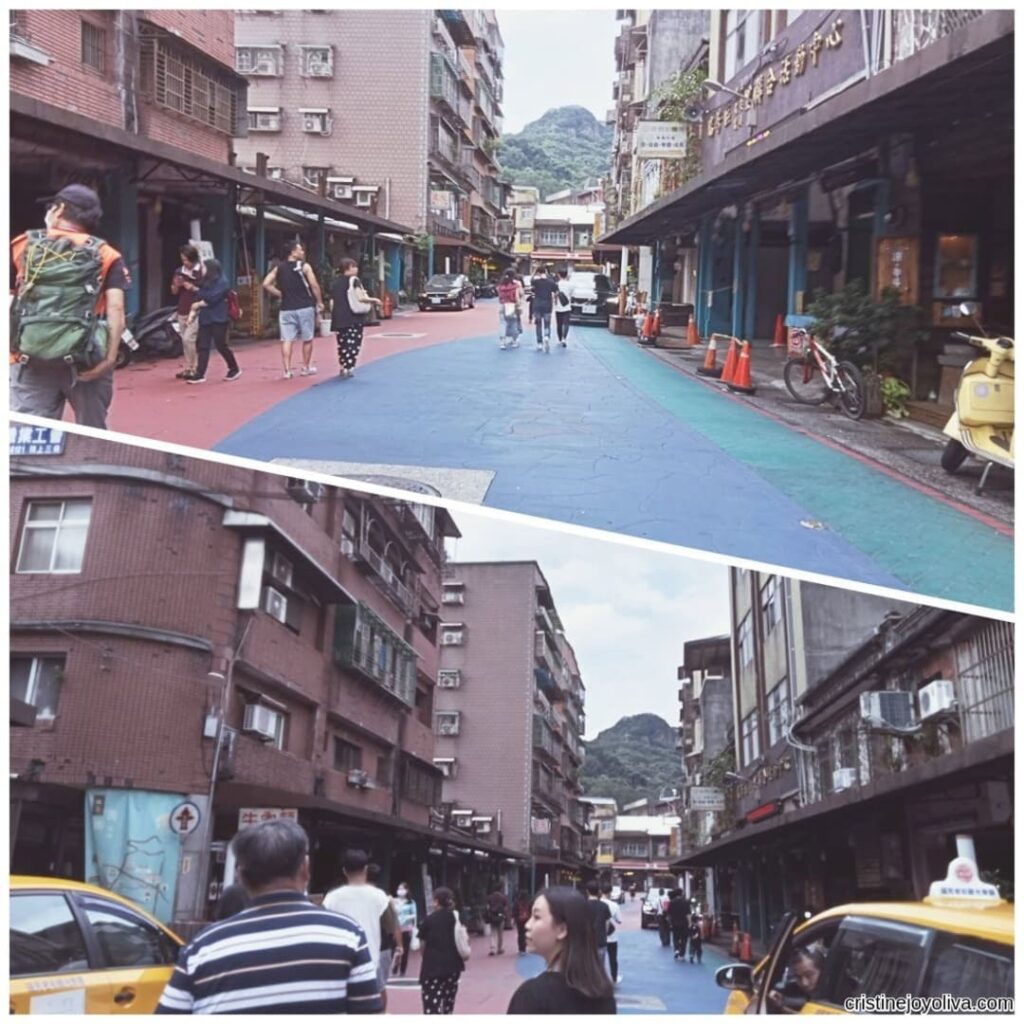
After a full day spent chasing train schedules, photographing riverbeds, and weaving through crowds of sky-lantern hopefuls, watching Ruifang settle into its evening routine was the perfect comedown. No itinerary, no rush—just a peaceful, authentic snapshot of daily life in a former mining hub before I stepped back onto the platform to catch the train home to Taipei.
🛤️ Back to Taipei: Bento & Bittersweet Goodbyes
The train journey from Ruifang Station to Taipei Main Station took nearly an hour. As the local interval train clattered along the tracks, the dark mountain pass slowly gave way to suburban apartment blocks and the glowing neon grids of Greater Taipei. As the urban landscape blurred past the window, I felt that familiar mix of physical exhaustion and quiet contentment that only a great travel day brings.
Chasing train schedules through former coal-mining hubs, wandering wooden platform bridges, and watching sky lanterns drift into the dusk sky was over for the day. But as the train descended into the underground platforms of Taipei Main Station, I knew these quiet rail stop memories would linger long after the trip ended.
🍱 One Last Bento Before Bed
Before leaving the station, I stopped by a TR Bento Stall right on the concourse to grab a railway chicken bento for dinner back at my accommodation. There is something strangely comforting about unboxing a classic TR bento after a full day on your feet.
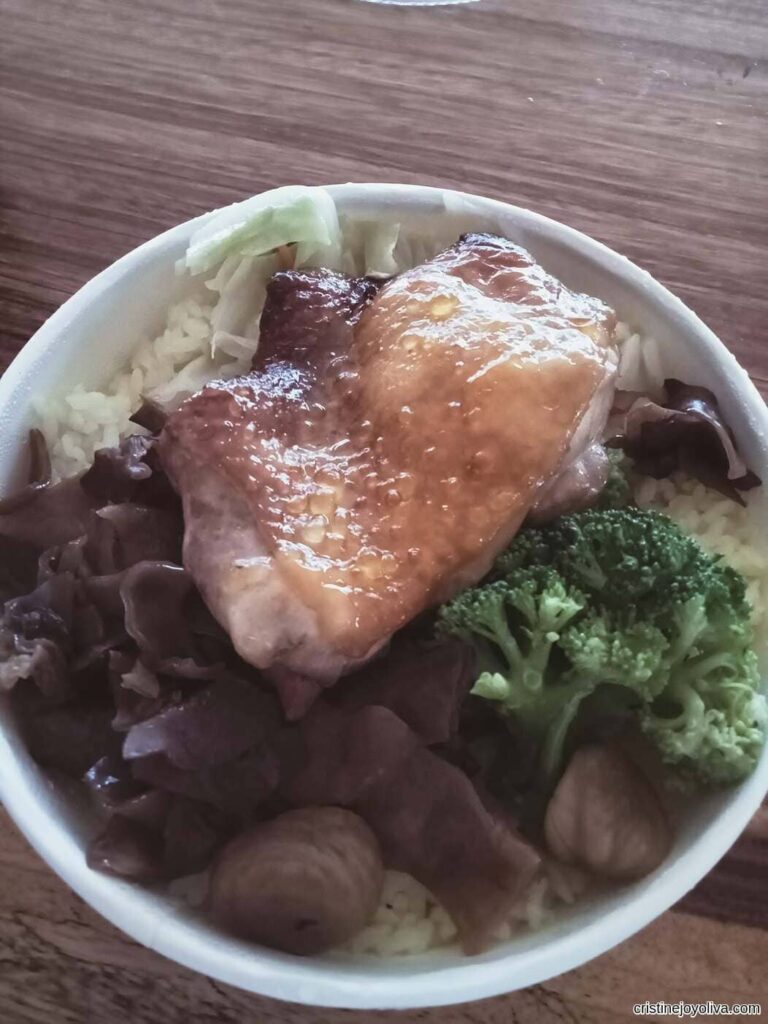
Opening the lid revealed a tender, soy-braised chicken thigh resting over steamed white rice, paired with wood ear mushrooms, a bright side of broccoli, and a couple of braised chestnuts tucked into the corner.
🍱 Must-Have Item: TR Railway Bento (Tiew Lu Bian Dang)
If you don’t catch a bento on the train platform, you can grab one directly at the TR Bento kiosks inside Taipei Main Station before heading to your hotel or airport connection. The classic options, whether soy-braised pork chop or chicken leg, range from NT$60 to NT$100, making them one of the most nostalgic and budget-friendly meals in Taiwan.
✈️ Catching My Flight Home
The next day, I left early to catch the Airport MRT. My flight back to Manila was at 10 AM. I walked through the cavernous halls of Taipei Main Station one last time, slowly soaking in the hum of the morning commute. No matter how many times I visit, Taiwan always leaves me with far more than I came with.
✈️ Solo Travel Tip: Airport MRT from Taipei Main Station
If you have a morning flight back to Manila, take the Express Train (Purple Line) on the Airport MRT directly from Taipei Main Station. It runs every 15 minutes, takes roughly 35–39 minutes to reach Terminal 1 or Terminal 2, and allows you to tap in easily using your EasyCard.
Series Note – Once Again, Taiwan ✧
Feels like coming home. Feels like a chapter you’ve reopened with fresh eyes. Here’s to solo travel, fourth times, and stories that keep unfolding. ✨🇹🇼
📅 Travel Dates: August 10–13, 2023